 Island History
Lady Elliot Island is the World Heritage Great Barrier Reef’s southernmost island. Lying 85km off the Queensland coast, this coral cay has a circumference of only 2km. Woven into its history are tales of sailors, shipwrecks, explorers, opportunists, destruction and incredible resilience. However, its story dates back much further than the 200-plus years of human habitation. Processes to form a coral island in the world’s largest reef system began millions of years ago. Formation began over 3,500 years ago, as waves carried layers of coral rubble onto the reef flat. The modern reef we see today formed 6-8,000 years ago on top of layers of ancient reef, created throughout the last 500,000 years.
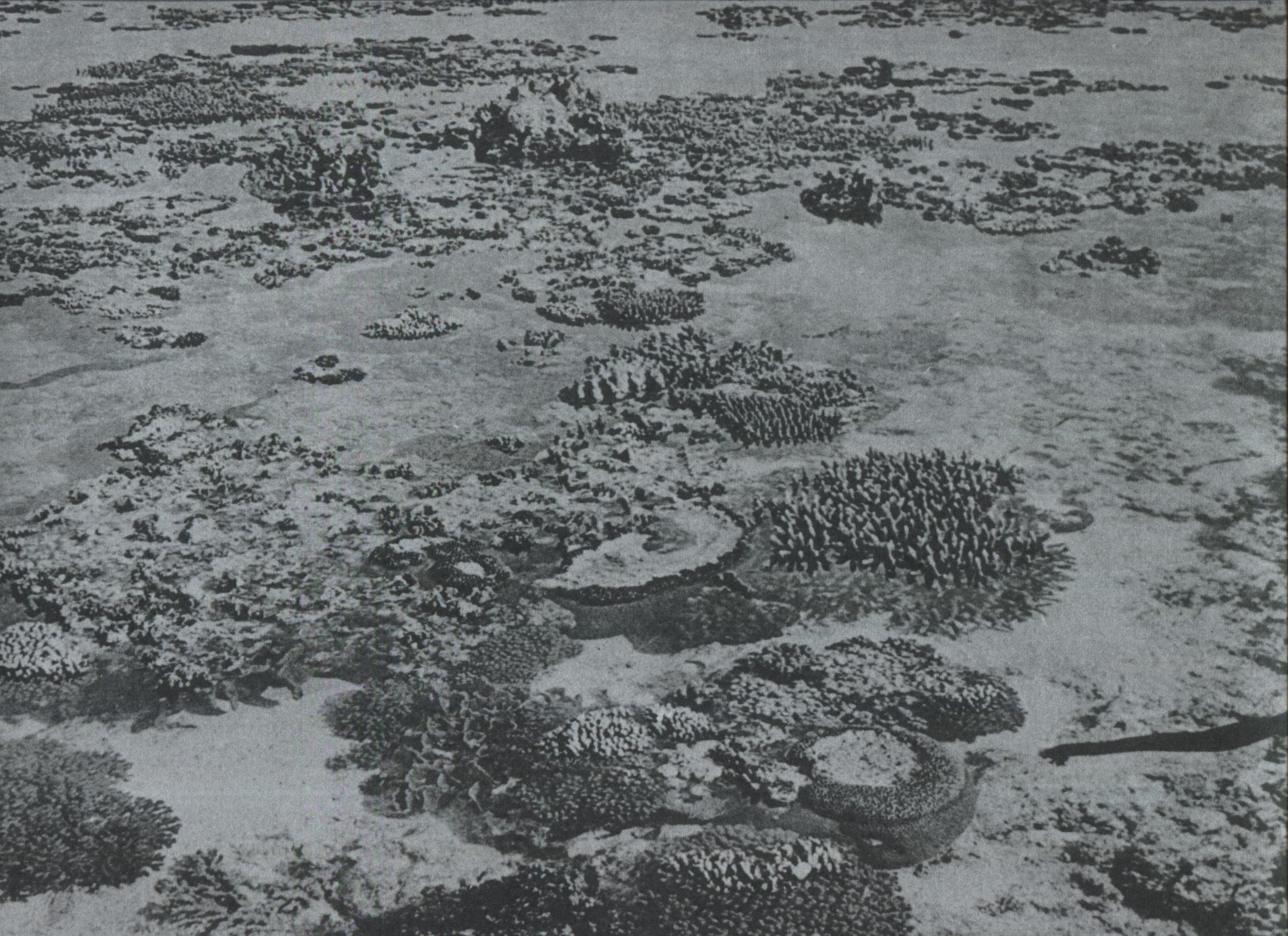

By 3,500 years ago, a platform reef had formed on the former coastal plain, with layers of ancient reefs creating a sturdy foundation for the future cay.

Over centuries, powerful storm and cyclone waves piled up large pieces of coral rubble into shingle ridges or berms, gradually building the young cay from the centre outward.
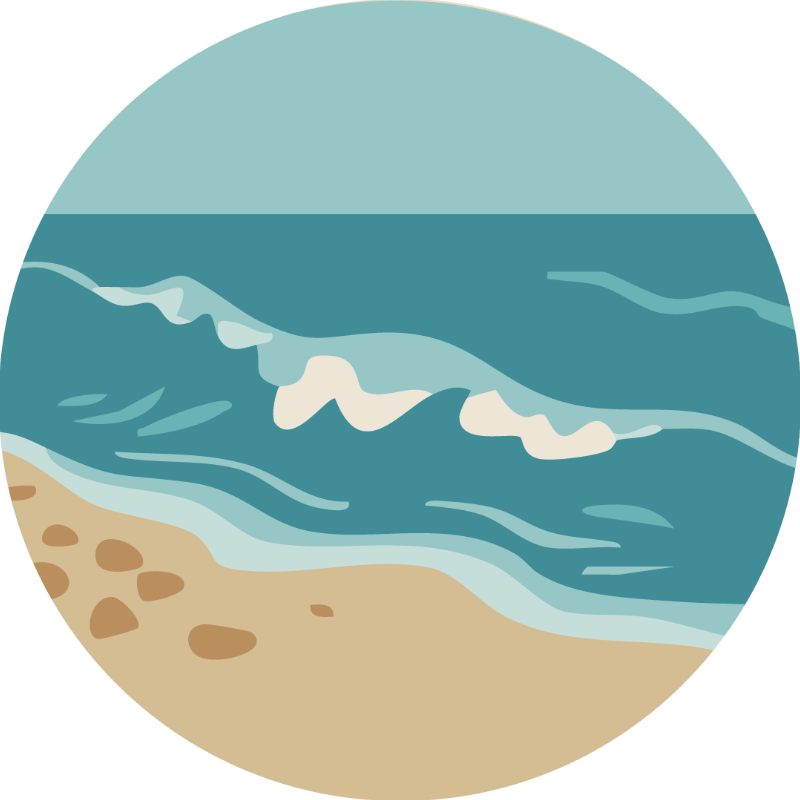

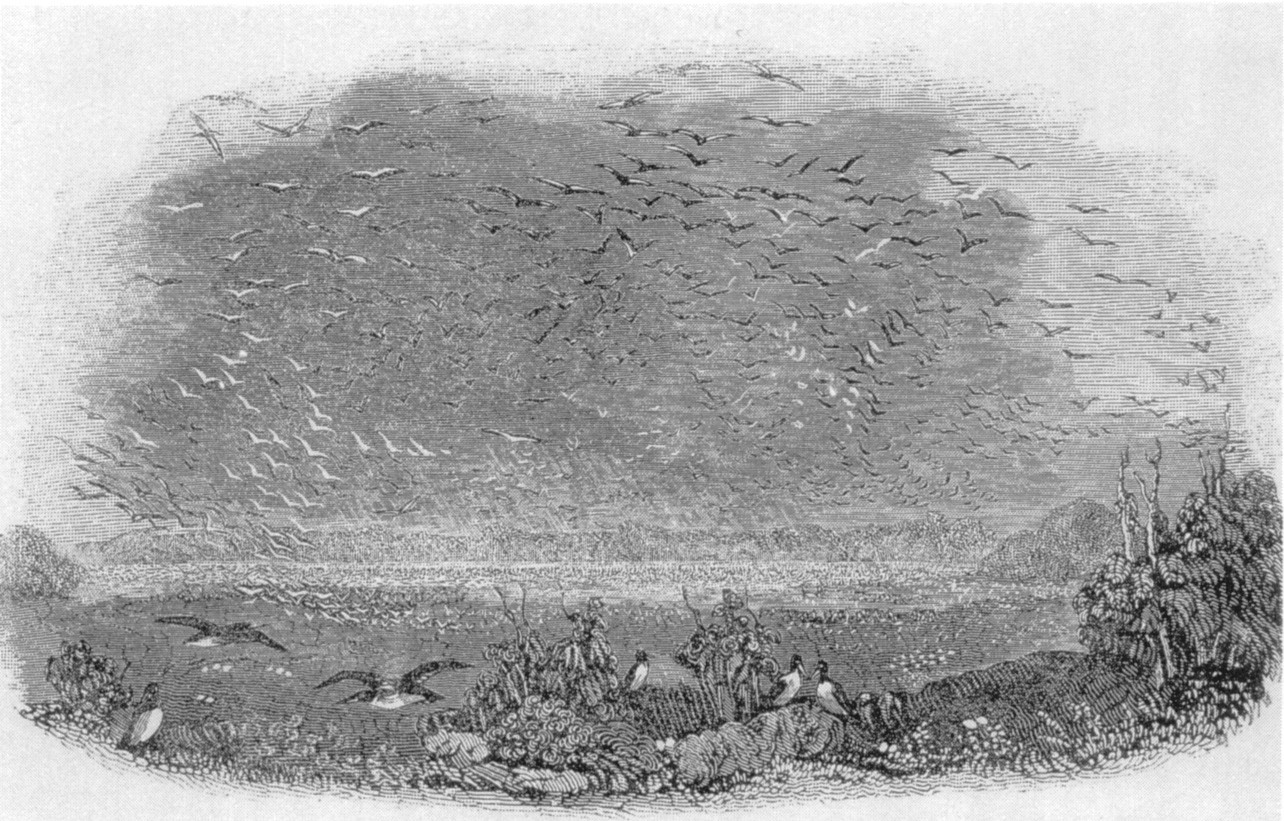
Seeds arrived by wind, ocean currents and visiting seabirds, fertilised by their droppings (guano). This kickstarted vegetation succession: pioneer grasses and groundcovers took root, stabilising the sand, building soil and retaining freshwater, enabling larger shrubs and trees to grow.
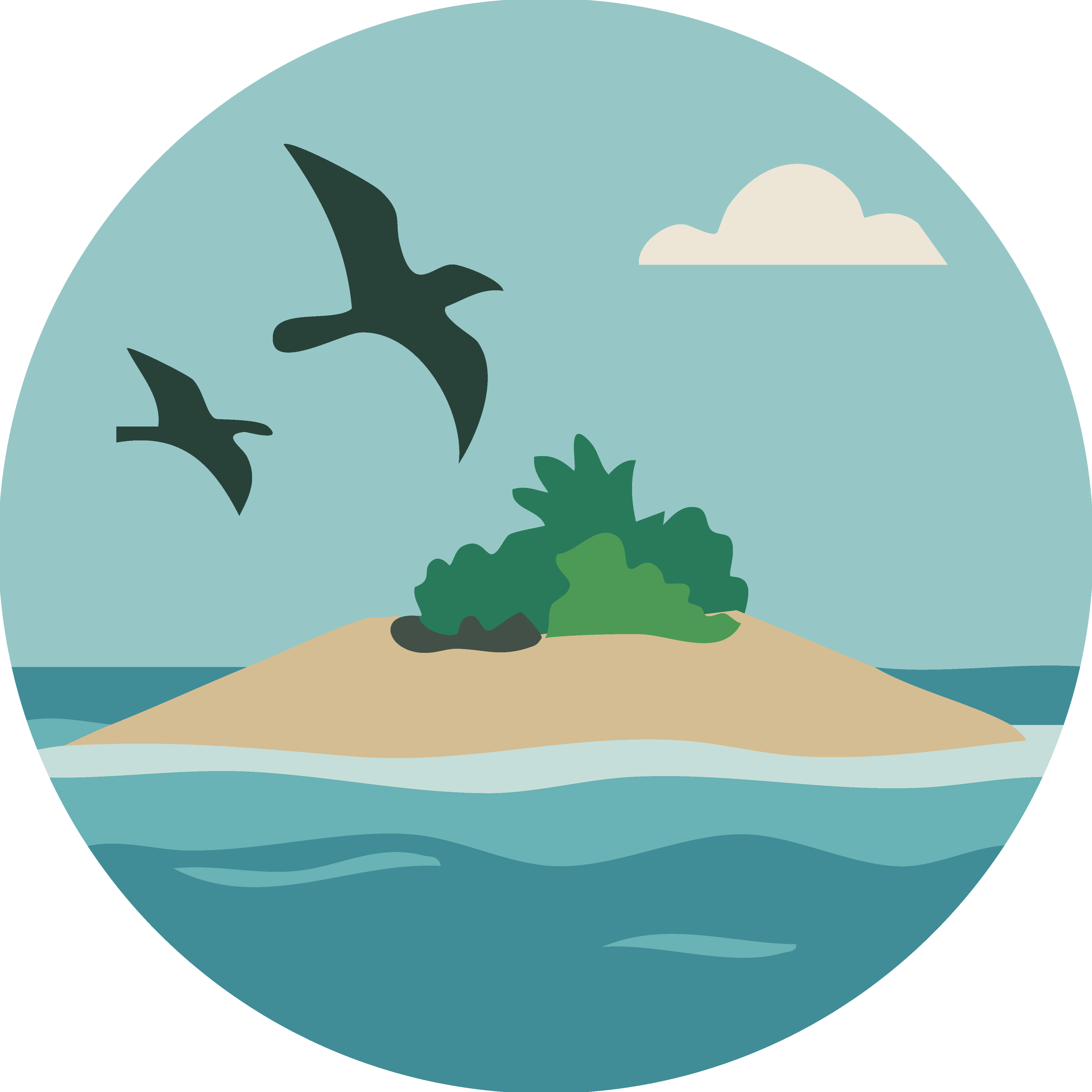

Cay rock formed over centuries in the island's interior as rainwater, guano, decaying plants, and coral rubble fused, stabilising the cay and retaining freshwater in the lens.
Beach rock created another layer of natural armour along the lower shoreline where seawater minerals bound sand, rubble, and algae into solid rock only taking months.
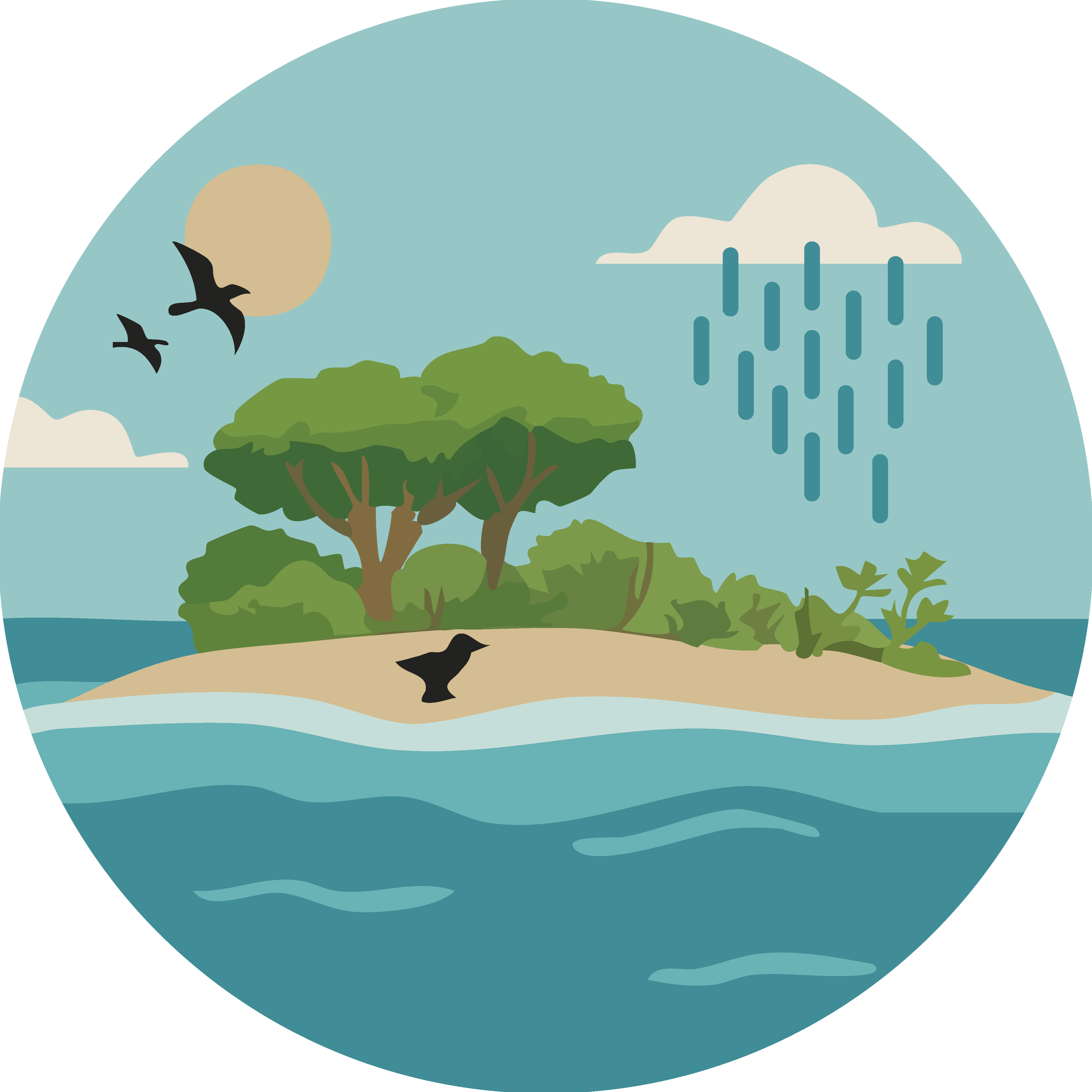

Nature's forces have shaped this stable, mature coral cay, which hosts a rich 'climax community' of plants, the final stage of succession that sustains wildlife. The younger edges are ever-changing, continually shaped by wind and waves.
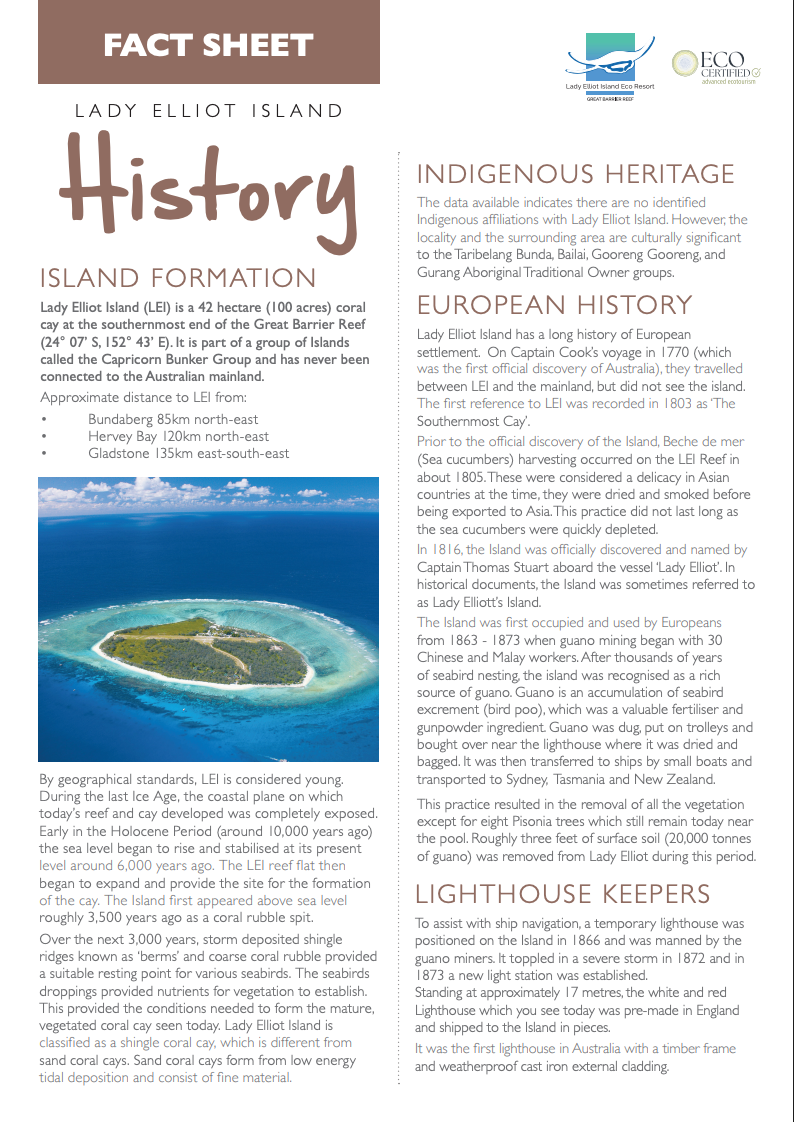
Dive a little deeper into the History of Lady Elliot Island in our History Fact Sheet.
Long before the Great Barrier Reef existed as we know it today, Aboriginal and Torres Strait Islander people lived on the vast coastal plains that stretched far beyond the current shoreline.
Around 10,000 years ago, rising sea levels gradually flooded those plains, forming what we now call the Great Barrier Reef. Stories of these changes have been passed down through generations and align with modern scientific understanding.
Aboriginal and Torres Strait Islander peoples are the world’s oldest continuing cultures, with a deep and enduring connection to the Reef that stretches back more than 60,000 years. First Nations knowledge, stories, and custodianship continue to guide how we understand and care for the Reef today.
Sea country includes reefs, seagrasses, sandbanks, marine animals, the winds, clouds, tides and stars. It’s a deeply spiritual and cultural space, connected to identity, lore and responsibility.
Lady Elliot Island lies within the vast Sea Country of the Port Curtis Coral Coast (PCCC) Traditional Owner Group – made up of the Bailai (Byellee), Gooreng Gooreng, Gurang and Taribelang Bunda peoples.
Lady Elliot Island Eco Resort acknowledges the Bailai (Byellee), Taribelang Bunda, Gooreng Gooreng, and Gurang Peoples as the Traditional Owners of the Sea Country surrounding Lady Elliot Island.
We respect their ongoing spiritual and cultural connection to this place, and we are committed to working together to care for Sea Country now and into the future.

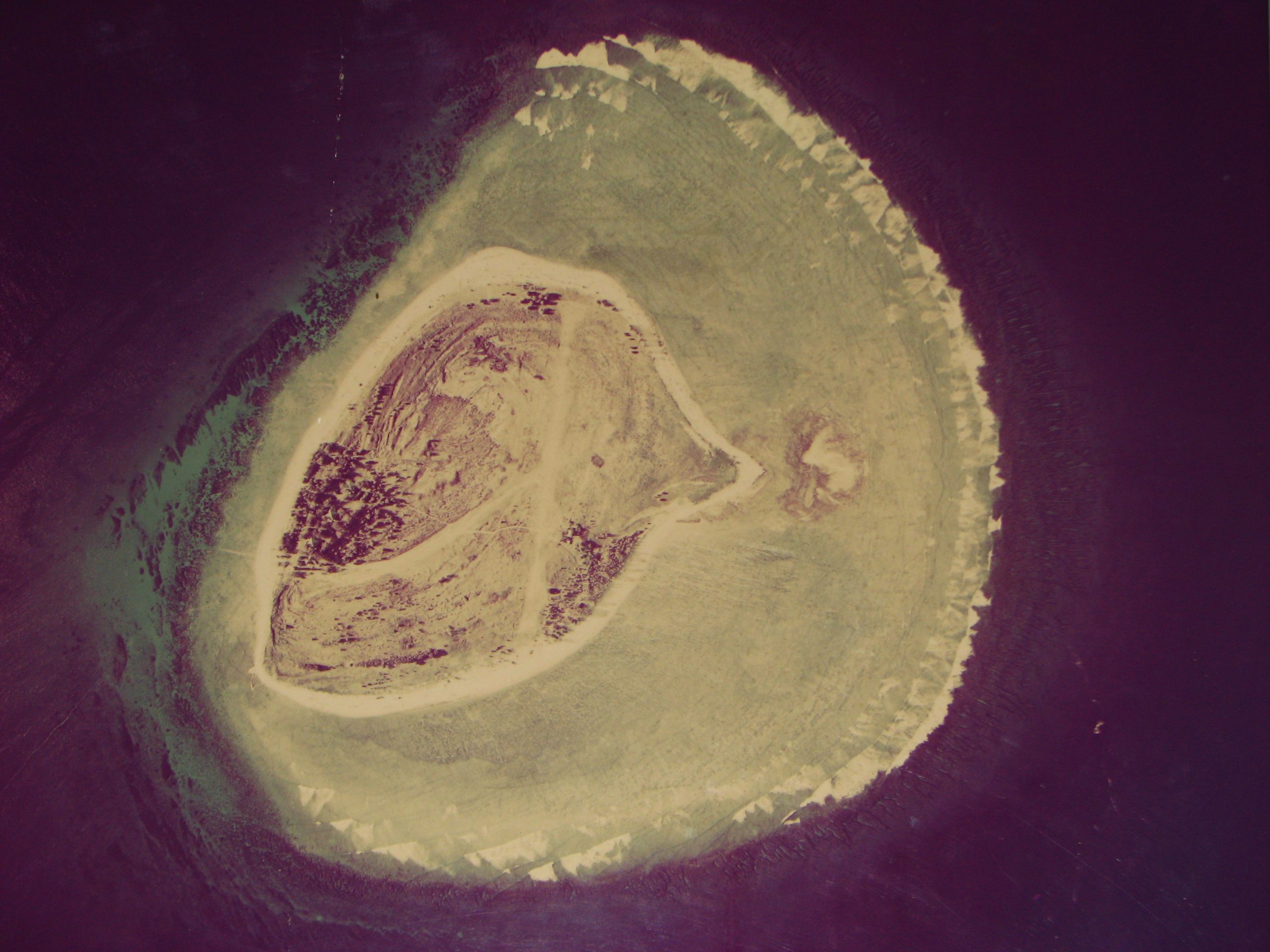
Around 6,000 years ago as the sea level stabilised, coral reefs began to flourish. A combination of wind, waves and weather events were able to break up large quantities of coral which then turned into rubble and was moved around with ocean currents. This rubble accumulated into a coral spit, eventually breaking the surface of the water.
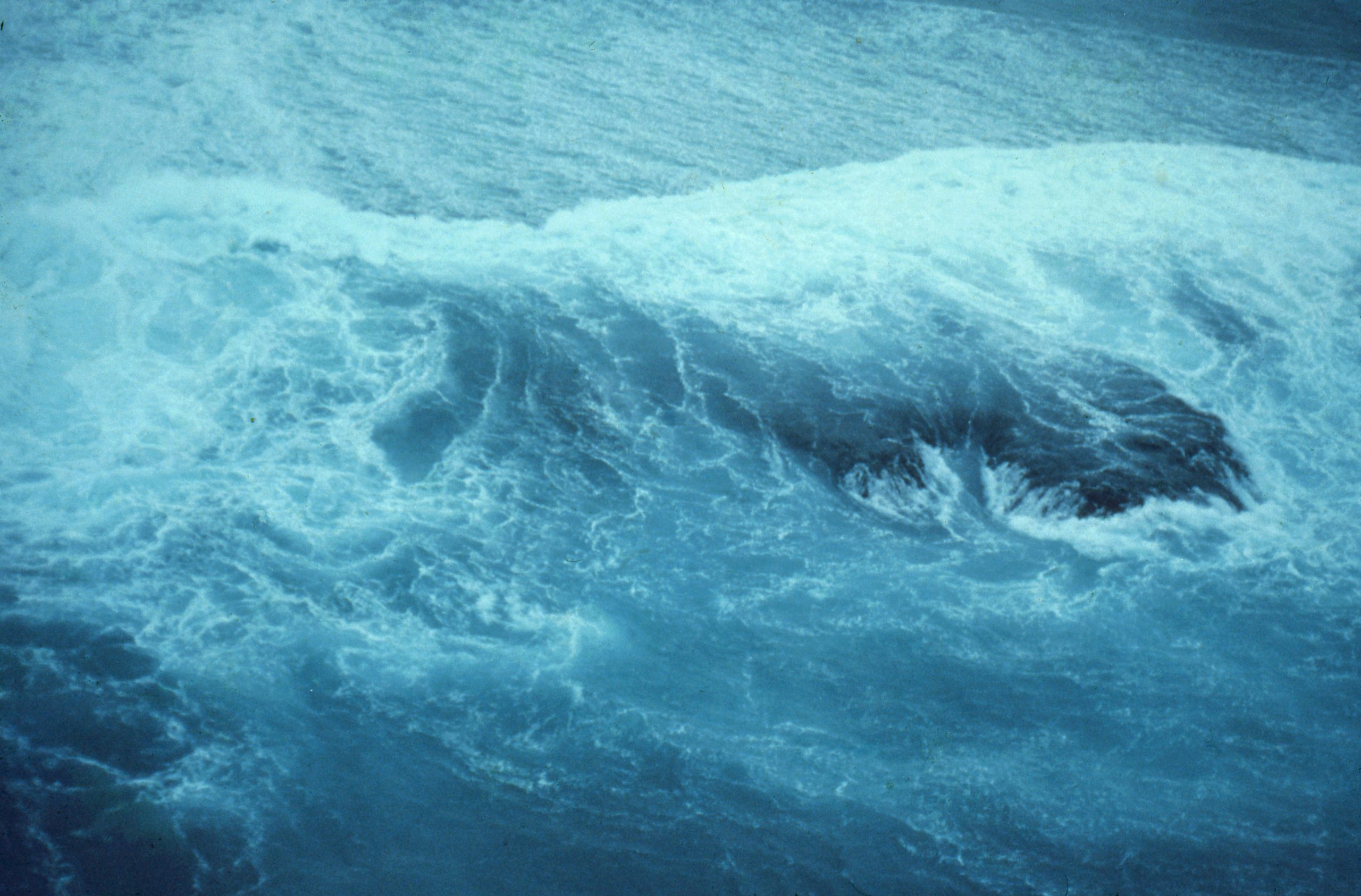

Seabirds began to land on the coral spit and deposit their droppings, over time creating soil. Salt resistant seeds washed ashore to germinate, giving rise to species such as pisonia trees, octopus bushes and casuarinas. The coral spit became a coral cay around 3,500 years ago.
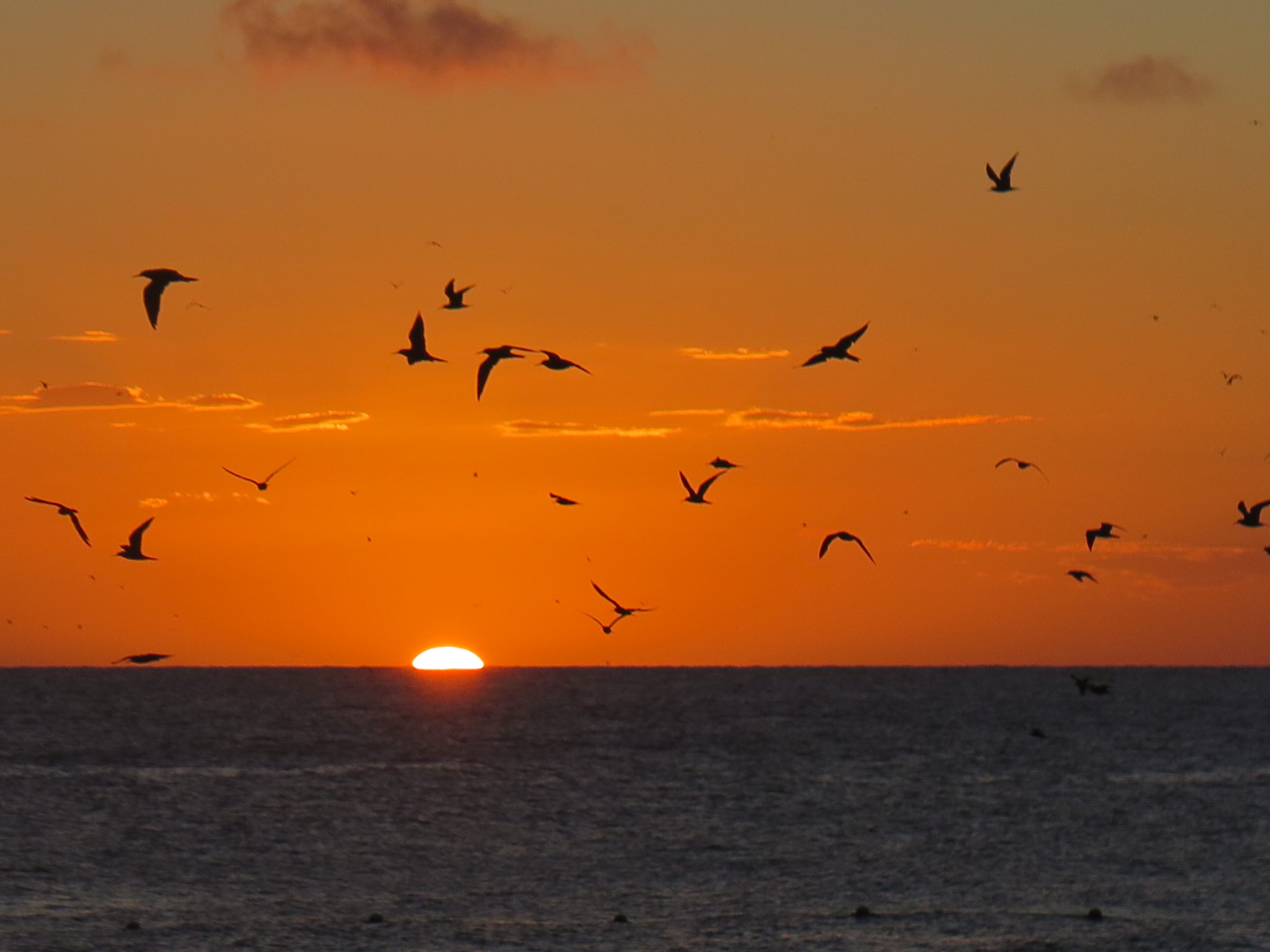

In 1816, captain Thomas Stewart was sailing the ship "The Lady Elliot" named after a colonial governor's wife, along the east coast of Australia. The vessel came upon a coral cay which was designated "Lady Elliot Island" after the ship.
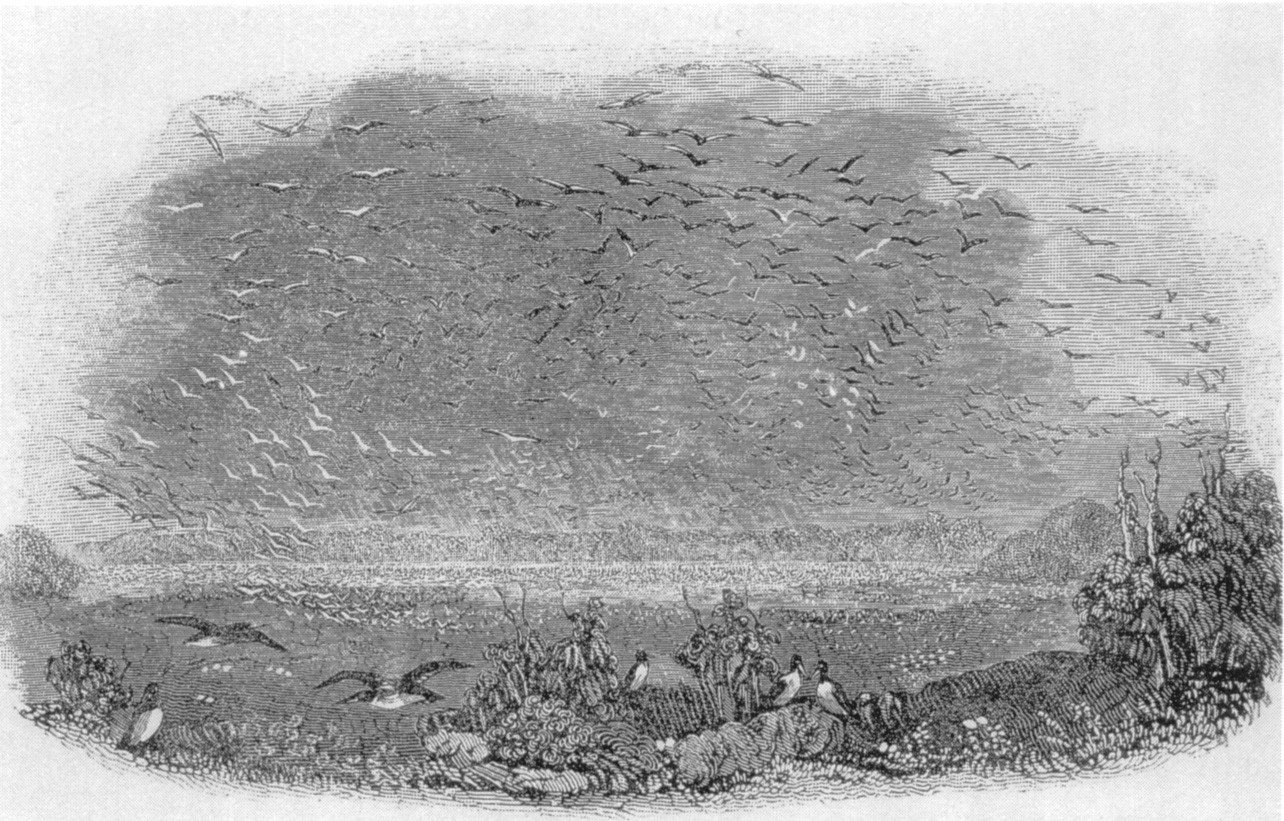

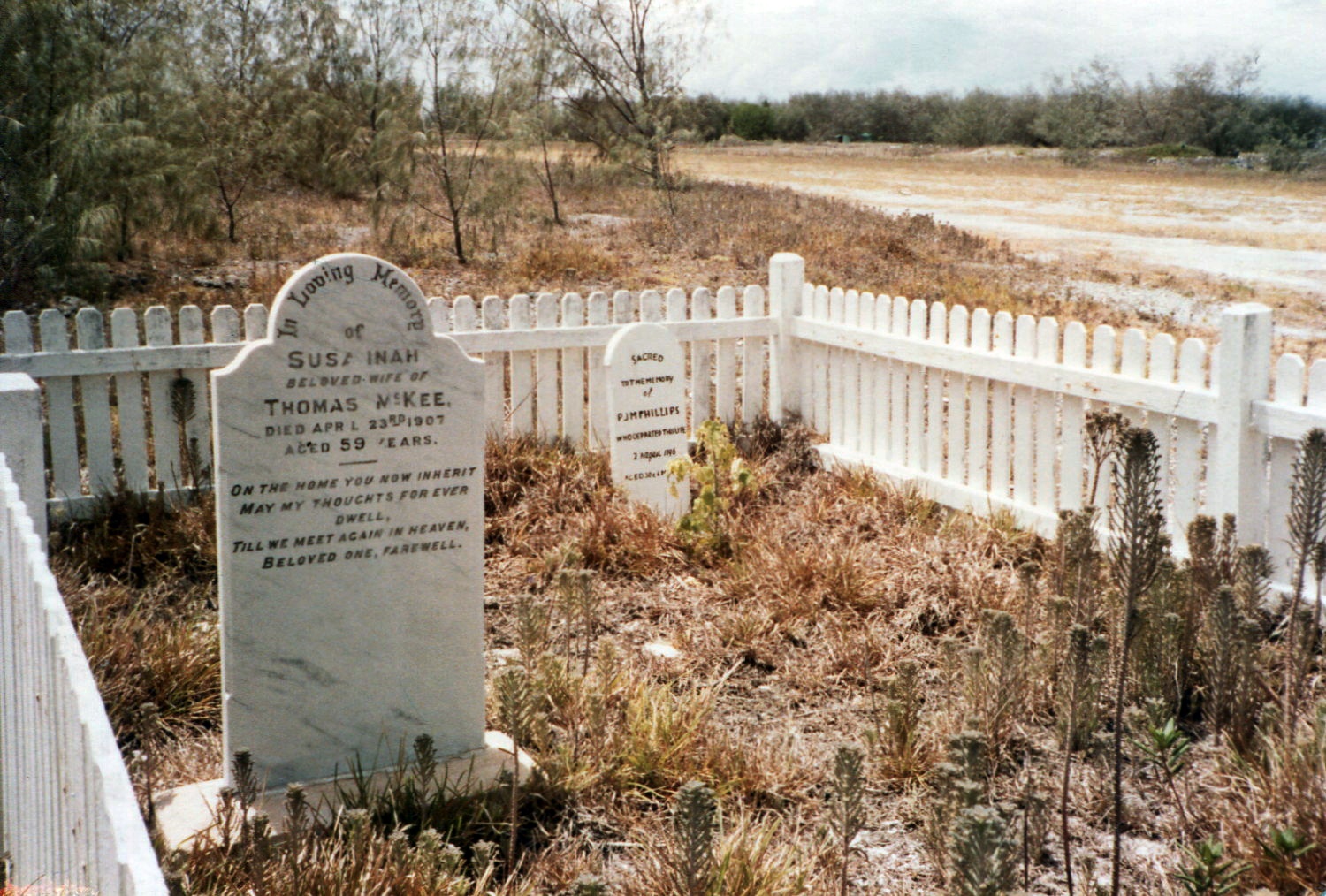
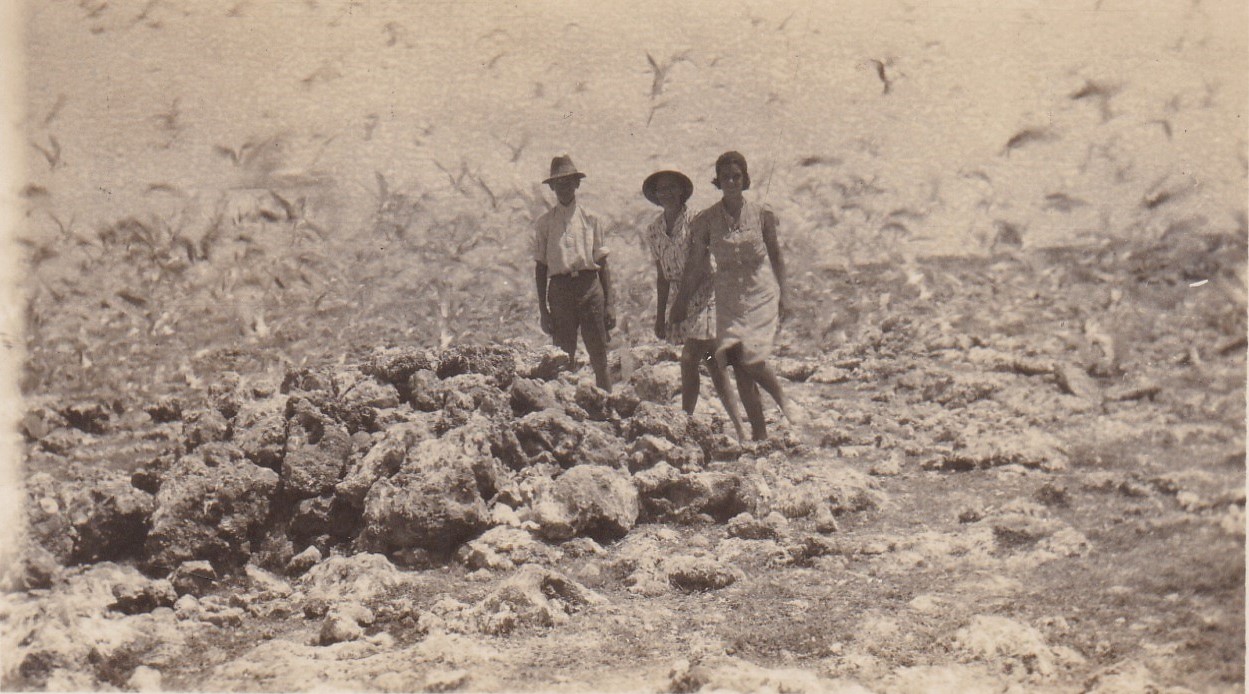
In 1851, the "Bolton Abbey" and "Countess of Minto" arrived on Lady Elliot, aiming to procure a supply of Guano. One ship wrecked on the island and the other was driven out to sea. The fertiliser industry was beginning to boom through the use of guano. In 1863 a lease was secured by Jack Askunas to mine guano from the island in exchange for 200 pounds per annum.
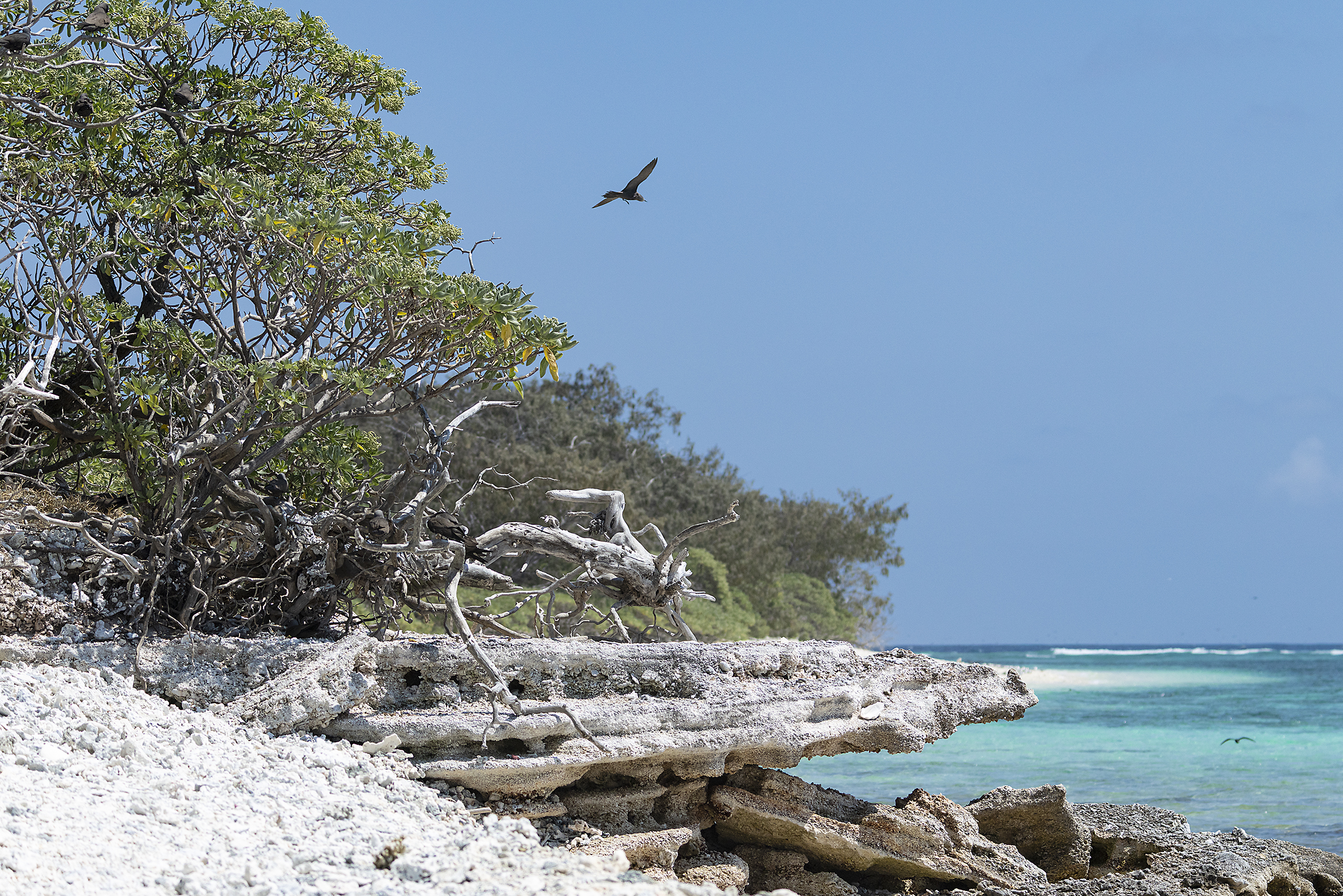

A tall wooden post with a kerosene lantern on top was erected as a form of lighthouse to warn passing ships of the island. In 1872 it toppled over in a storm and the miners occupying the island wrote urgently to the government in the hopes of securing a new warning beacon. At this time the island was only occupied by miners and a herd of goats while the island was being stripped of vegetation to effectively harvest the guano.
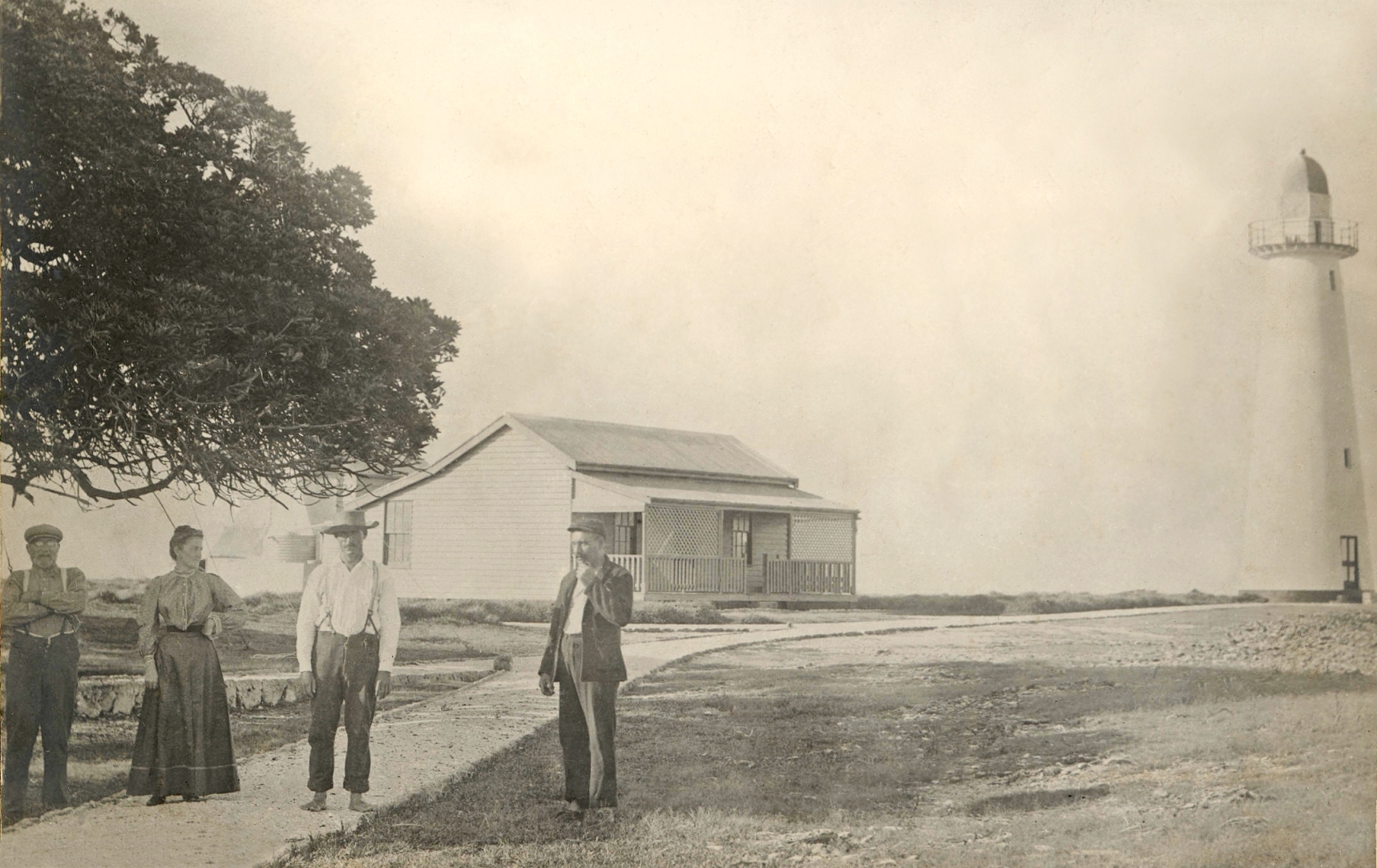

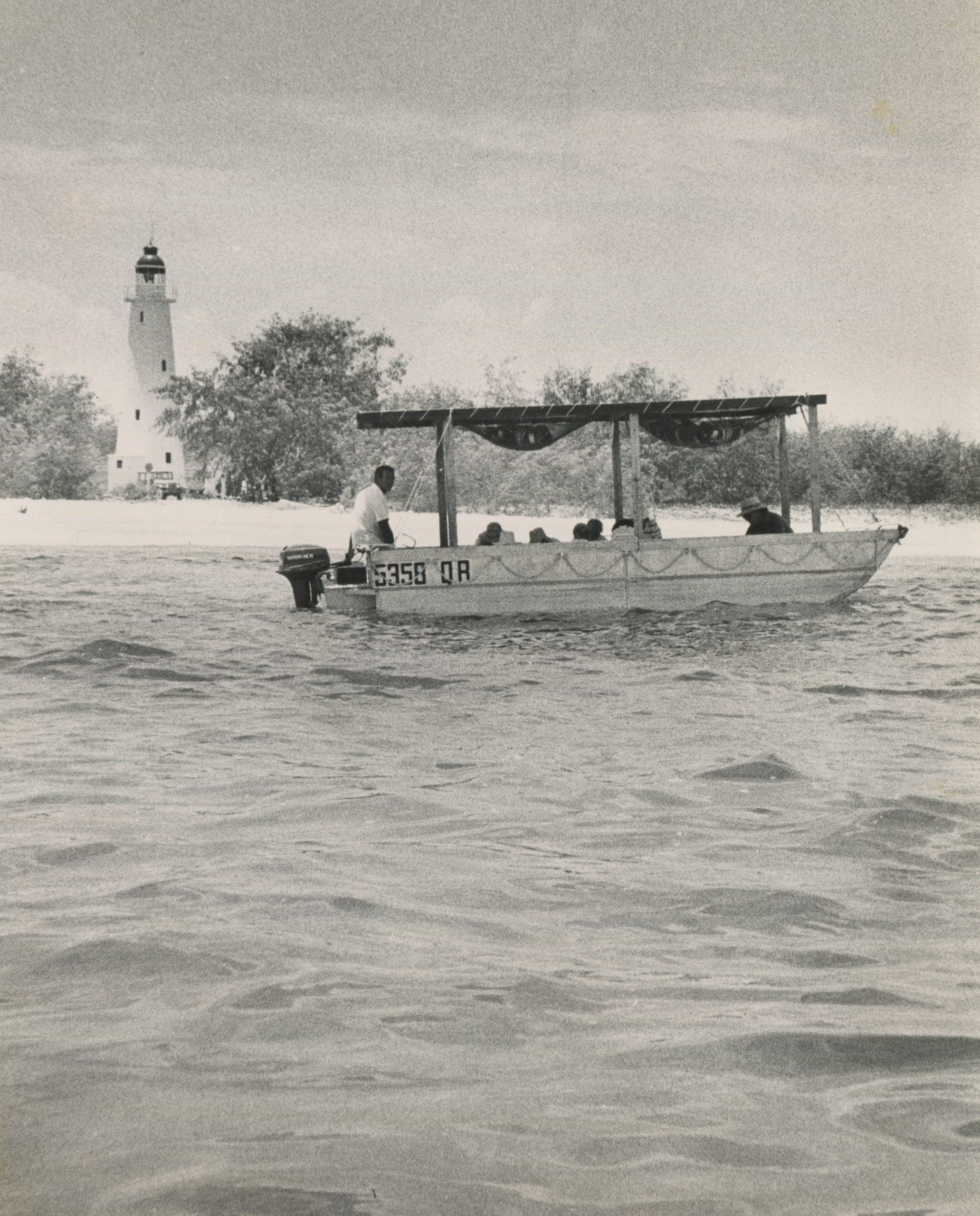
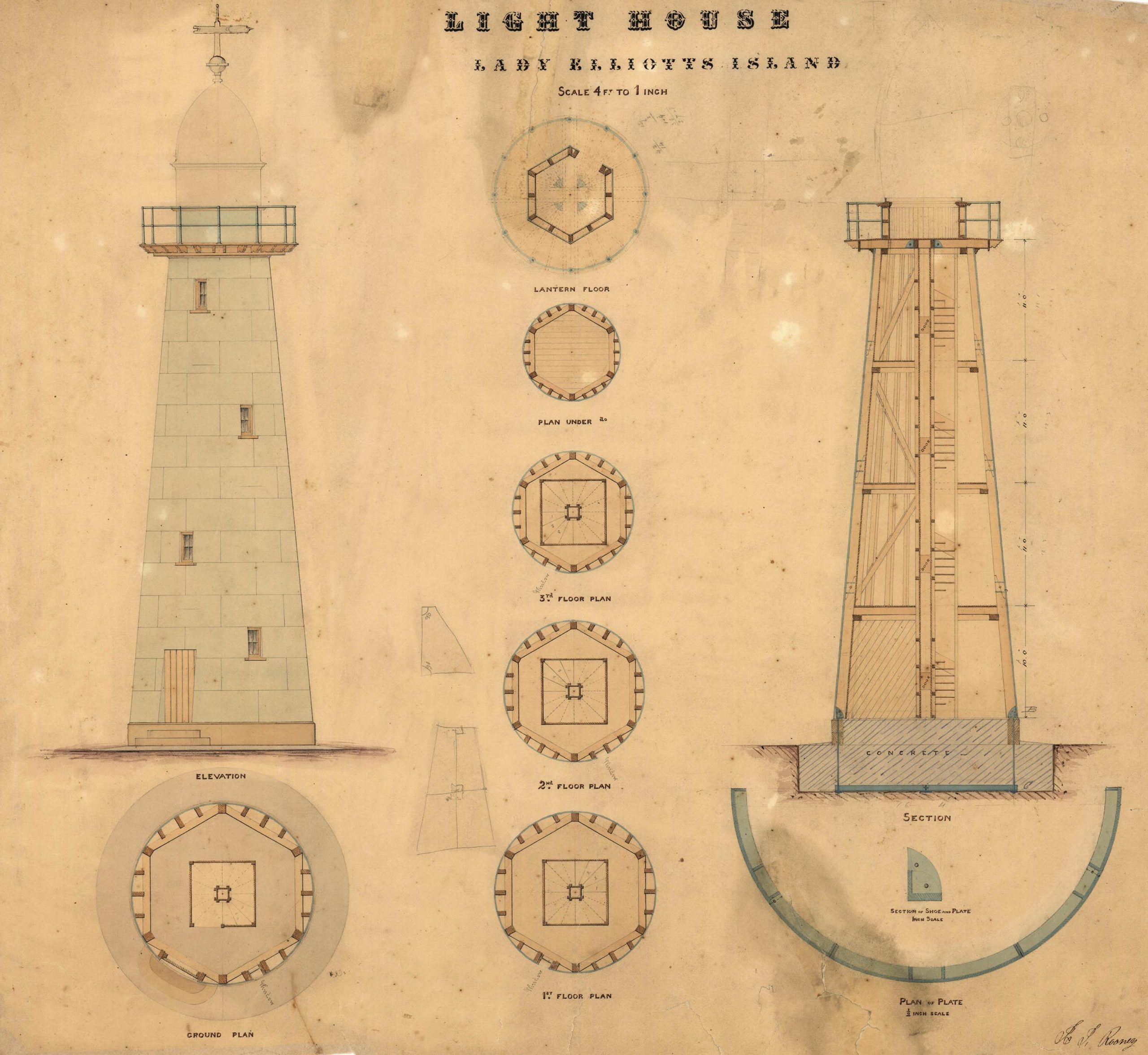
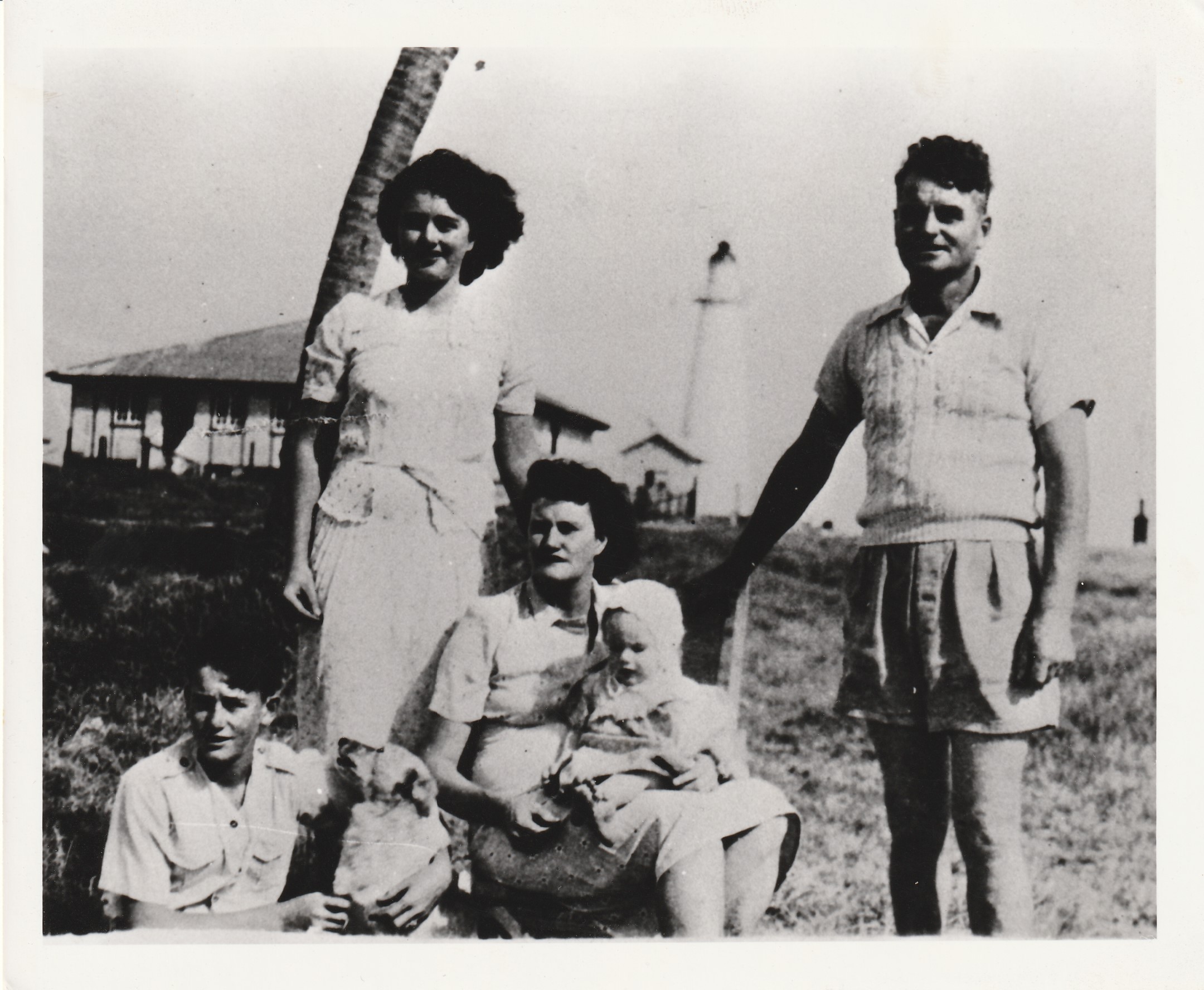
In 1873 a permanent lighthouse was constructed. Material was shipped from England and around Australia, and the blueprints created by Maryborough locals, the Rooney brothers. Standing at 16m tall, it is constructed of timber internally and wrought iron externally. This design was a prototype and was the first offshore light aid built by the recently formed Queensland Government.

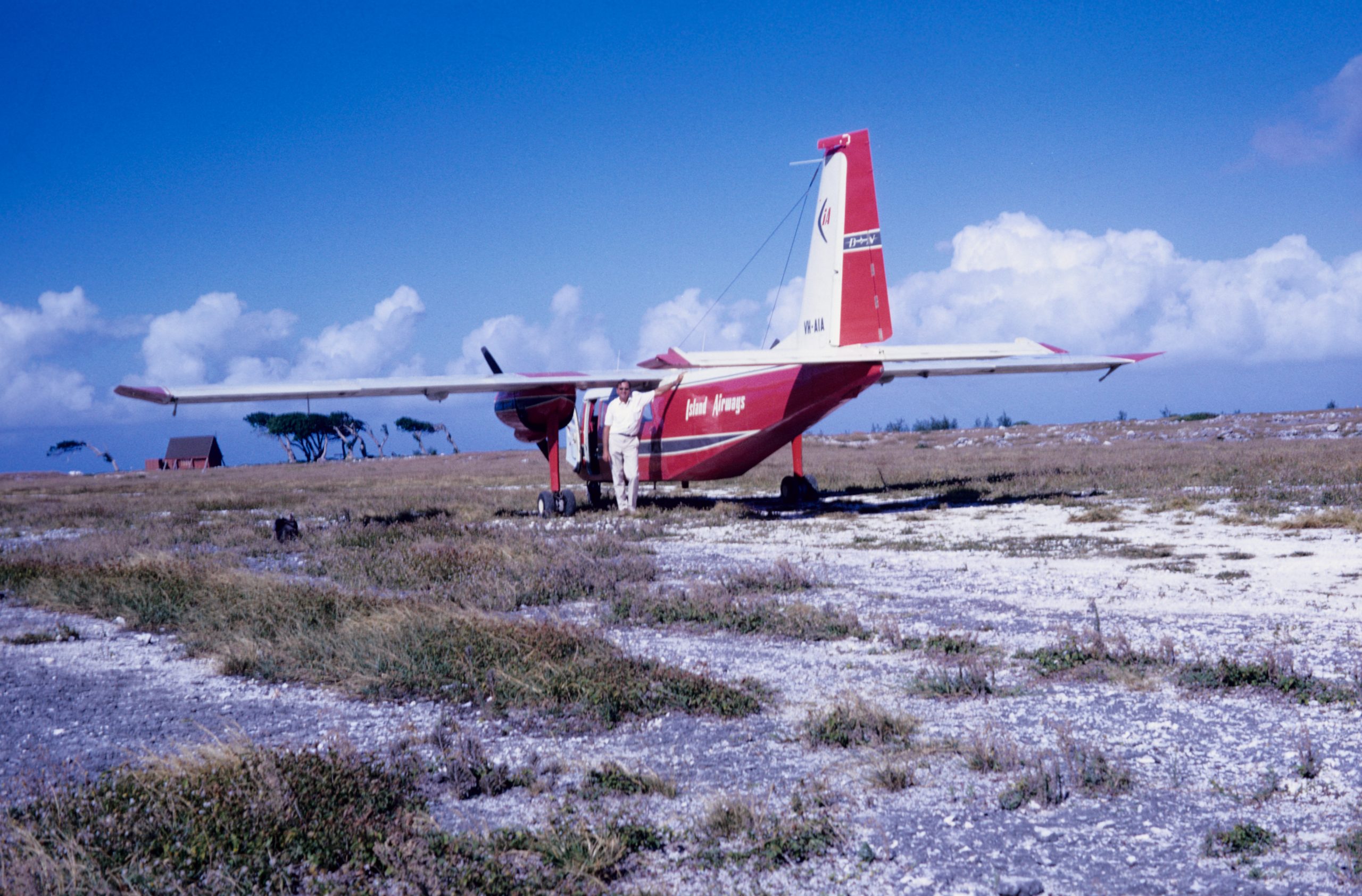
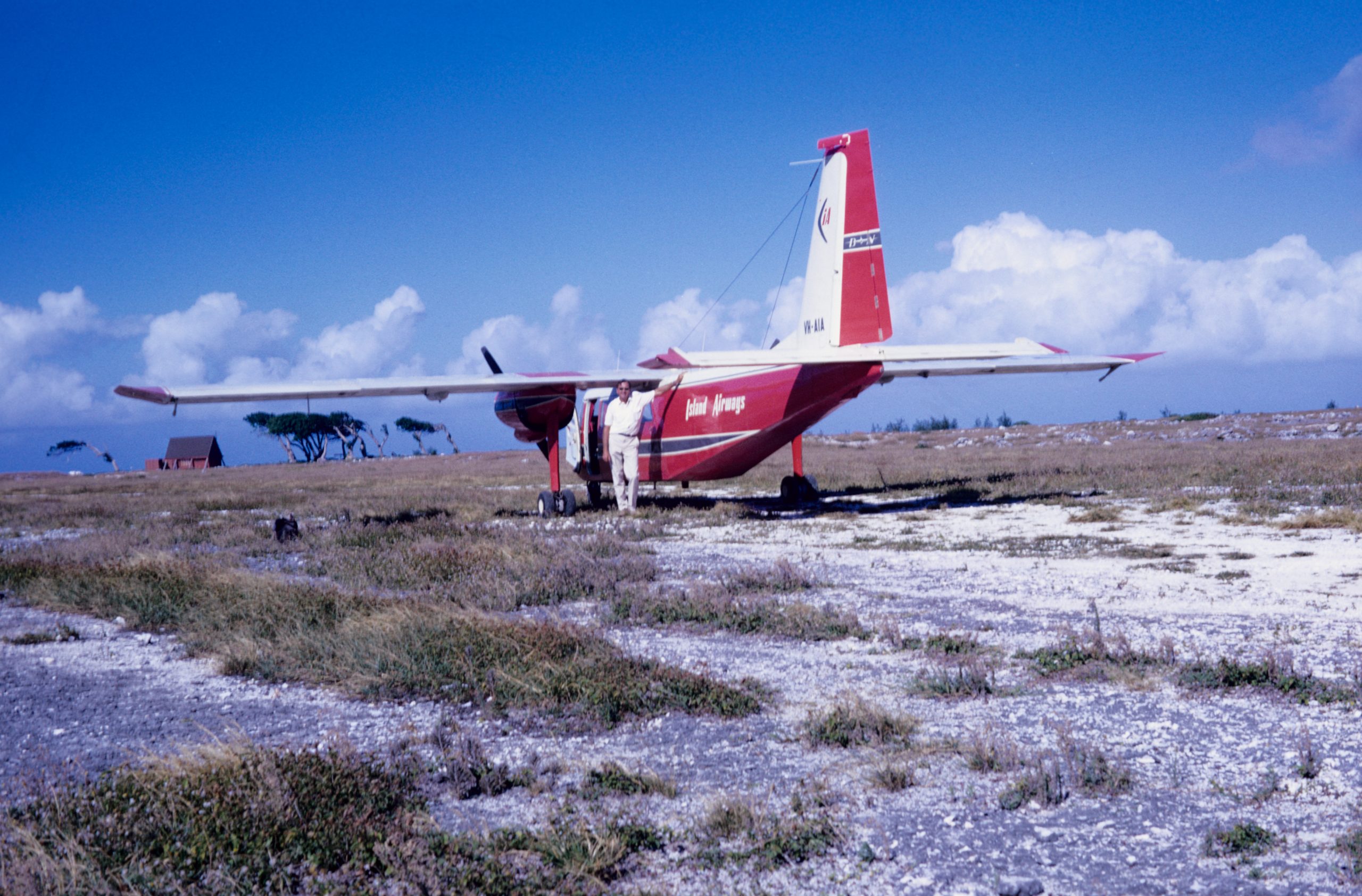
In 1969, local pilot Don Adams secured a tourism lease in exchange for constructing an airstrip on the island and beginning revegetation works. He and his family won conservation awards for their work and established day trips and overnight stays on the island, they planted many of the Casuarinas you still see on the island today and constructed the A-frame.

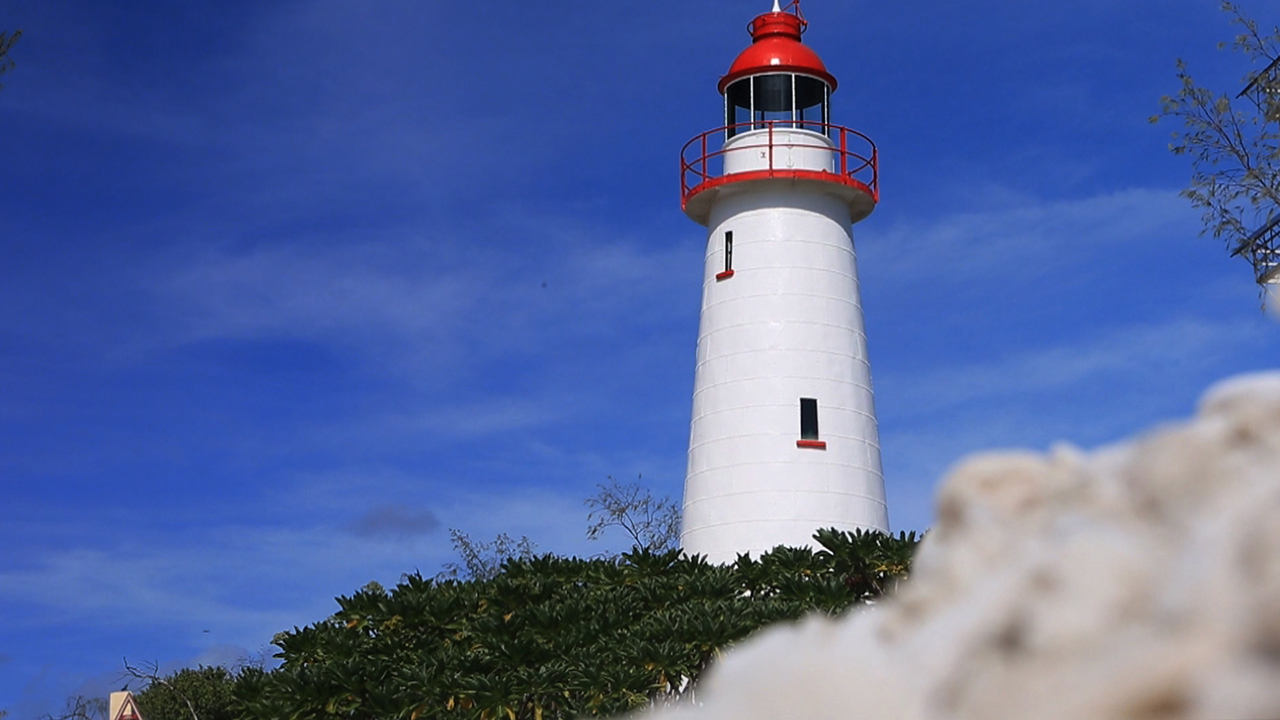
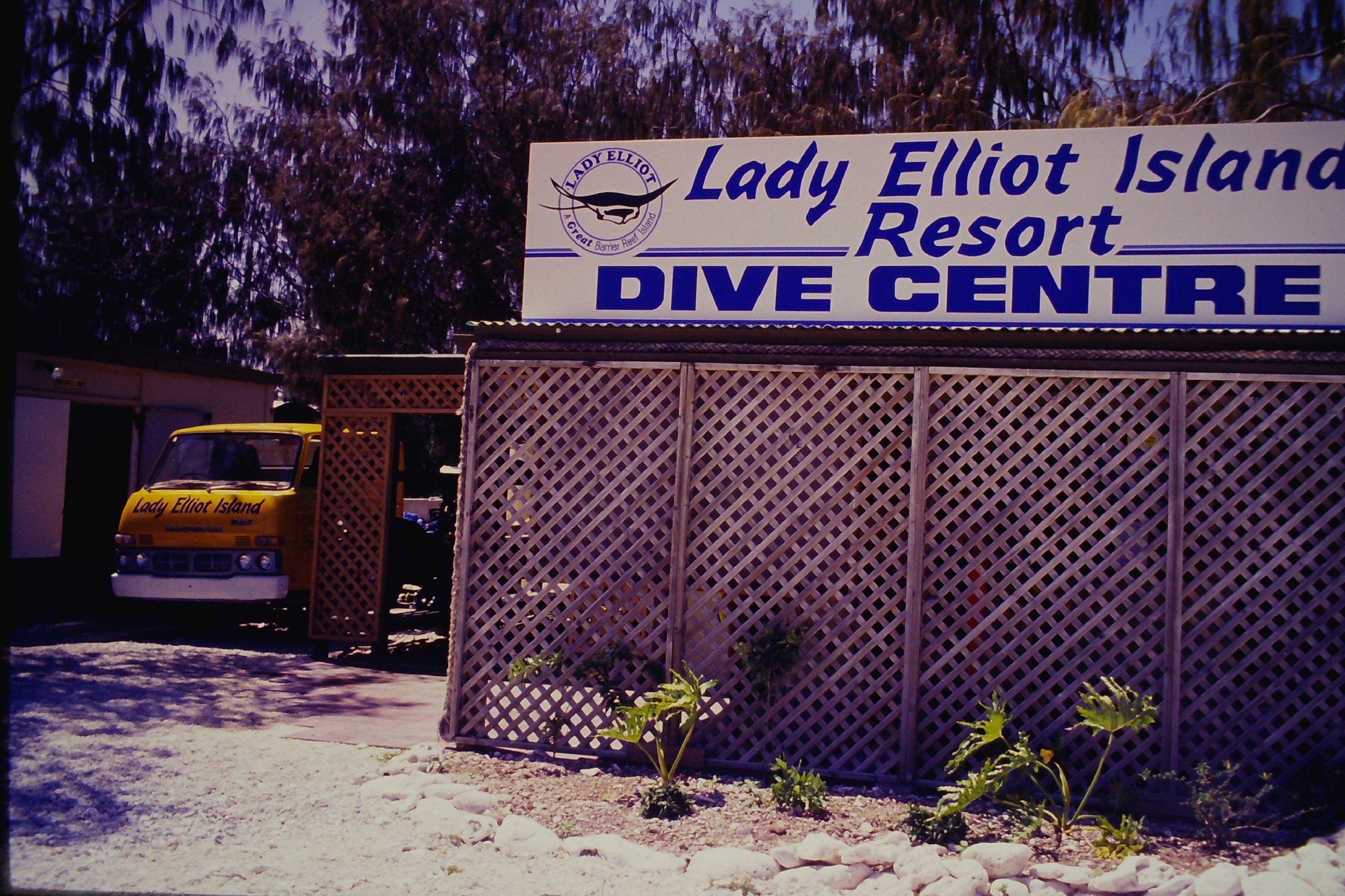
From 1970, the island lease changed hands several times. In 1985, a resort was established on the island by John and Judy French and the lighthouse was automated in 1988. In 1995, a new 35m light tower was constructed and the historic lighthouse was decommissioned as the trees had grown too tall!

In 2005, the current custodians took over the island lease. Within the first 5 years they had constructed a hybrid power station which was the first of its kind, and started work on identifying how to restore the island to its former pre-mining glory.

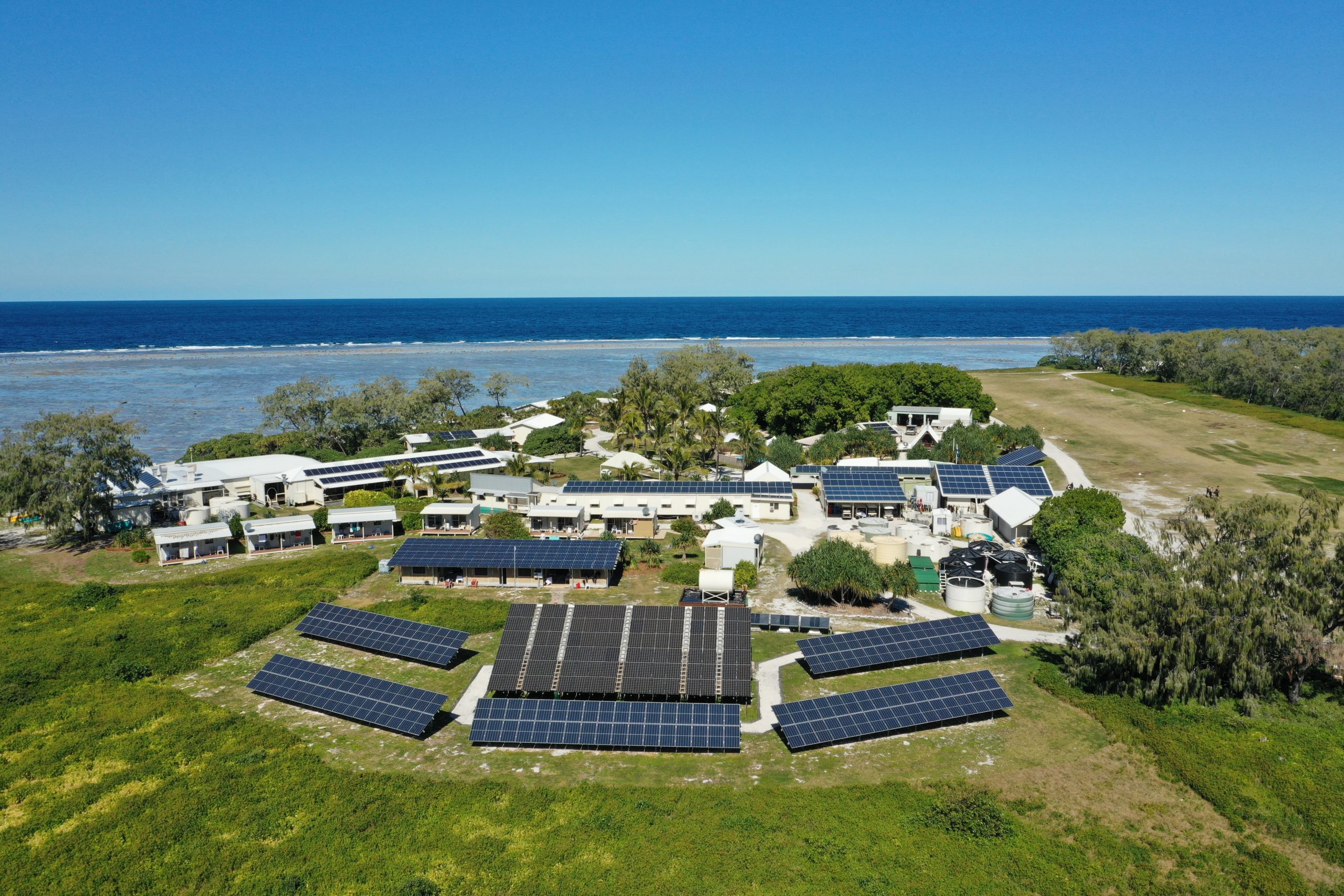
Today, the eco resort operates at approximately 80% solar, desalinates its drinking water, composts food waste and offsets carbon emissions from flights, caring for the island in any way possible!
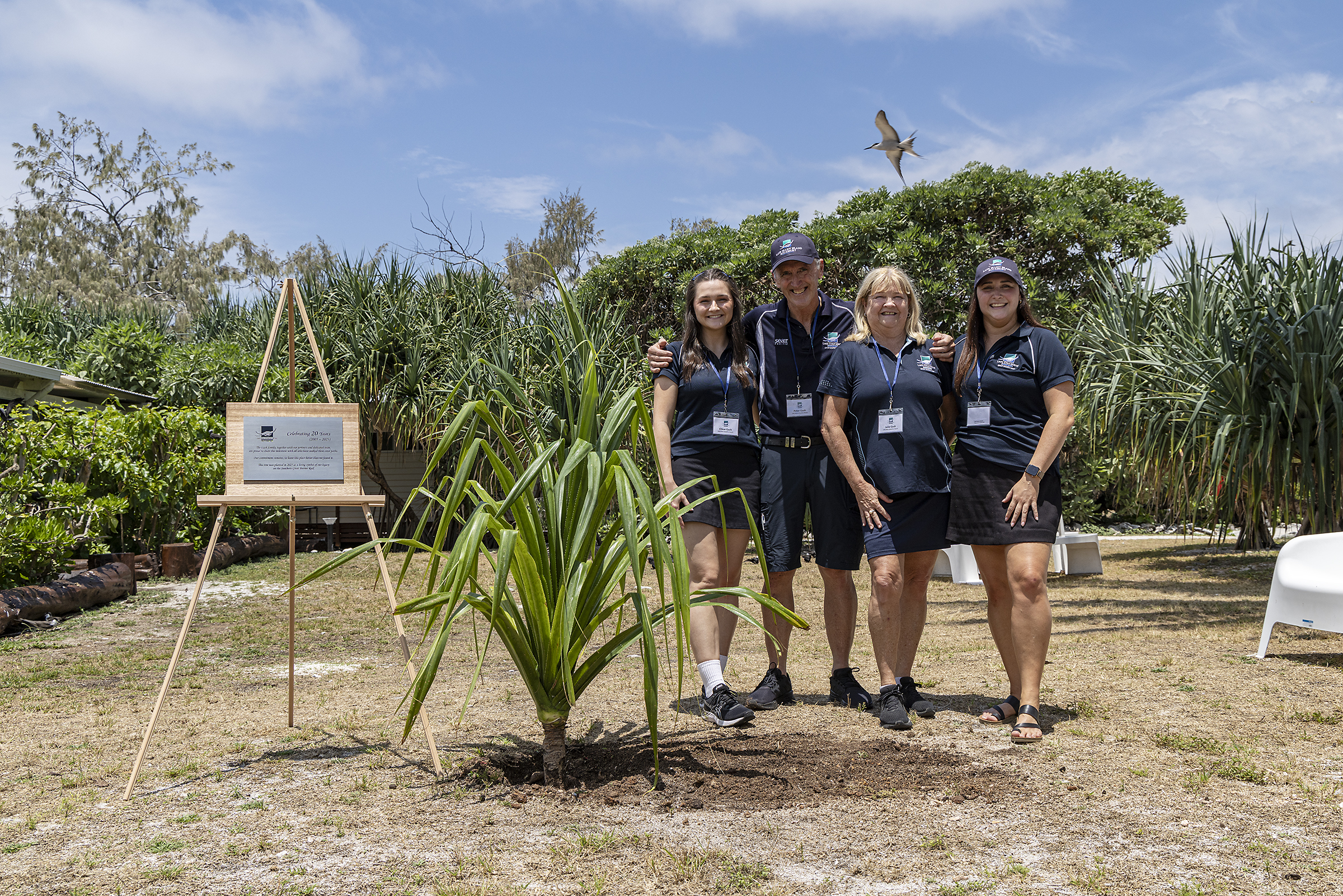
For more than 20 years, Lady Elliot Island has been under the custodianship of the Gash family, marking a turning point in the island’s modern story. Taking over in 2005, when the island was still recovering decades of ecological damage, they committed to restoring native ecosystems, protecting wildlife, and embedding sustainability into every aspect of island operations. Through large-scale revegetation, including the planting of over 20,000 trees to restore the island’s Pisonia Forest, and the adoption of industry leading sustainability practices, Lady Elliot Island has become a recognised model for regenerative, low impact tourism on the Great Barrier Reef.
“It’s not about making a fortune, it’s about making a difference”
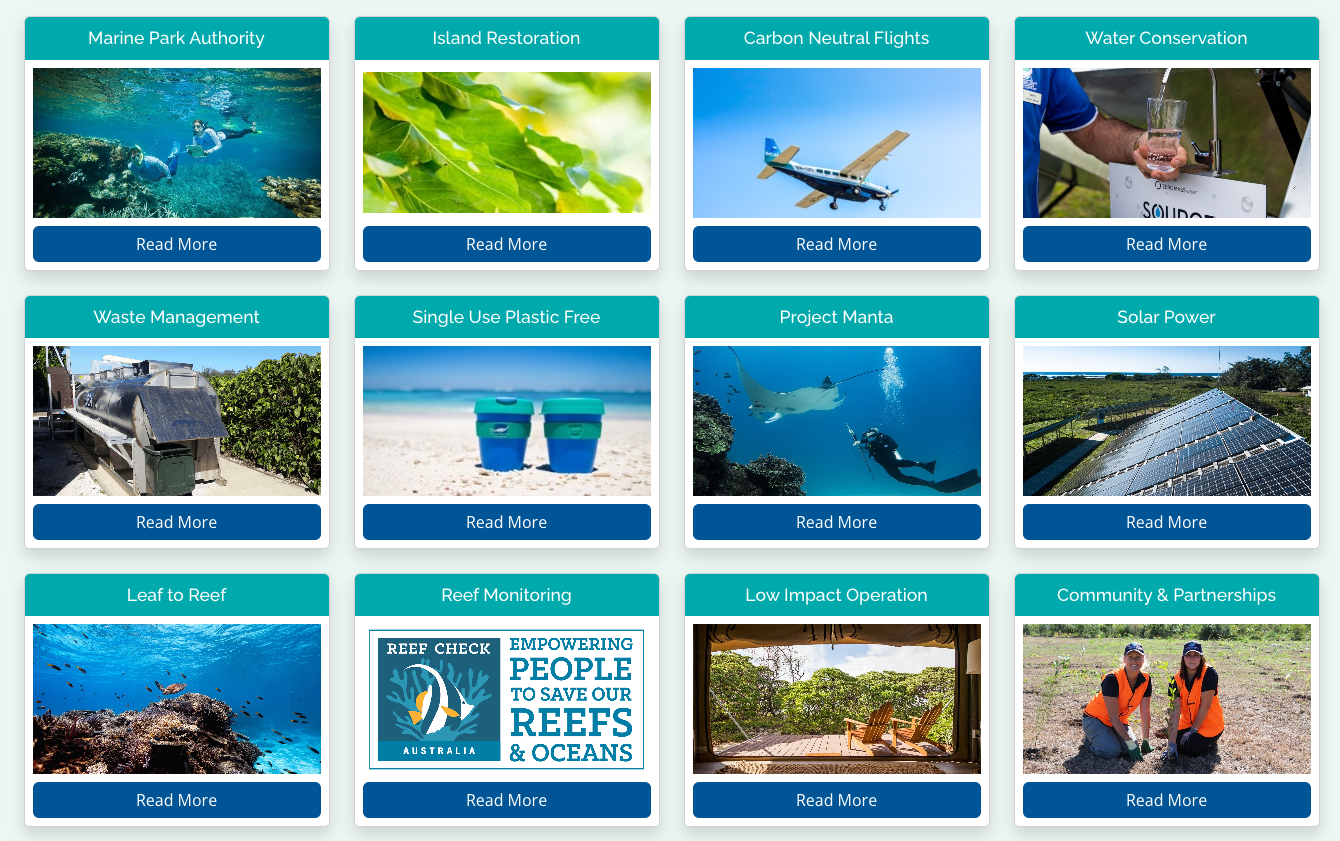
Explore the work being done to regenerate the island’s native ecosystems, and how Lady Elliot Island continues to lead the way in sustainable ecotourism on the Great barrier Reef.
Lady Elliot Island’s lighthouse celebrated its 150th birthday in 2023. It was the first of its kind to be built in Queensland, combining the durability or iron cladding, with cost effective timber framing – a local innovation, which went on to become the prototype for lighthouses in Queensland. Complete in 1873, it has stood the test of time but is no longer functional and was replaced by the modern beacon in 1995.
 Accommodation
 Day Visits
 Getting Here
 Snorkel & Dive
 Sustainability