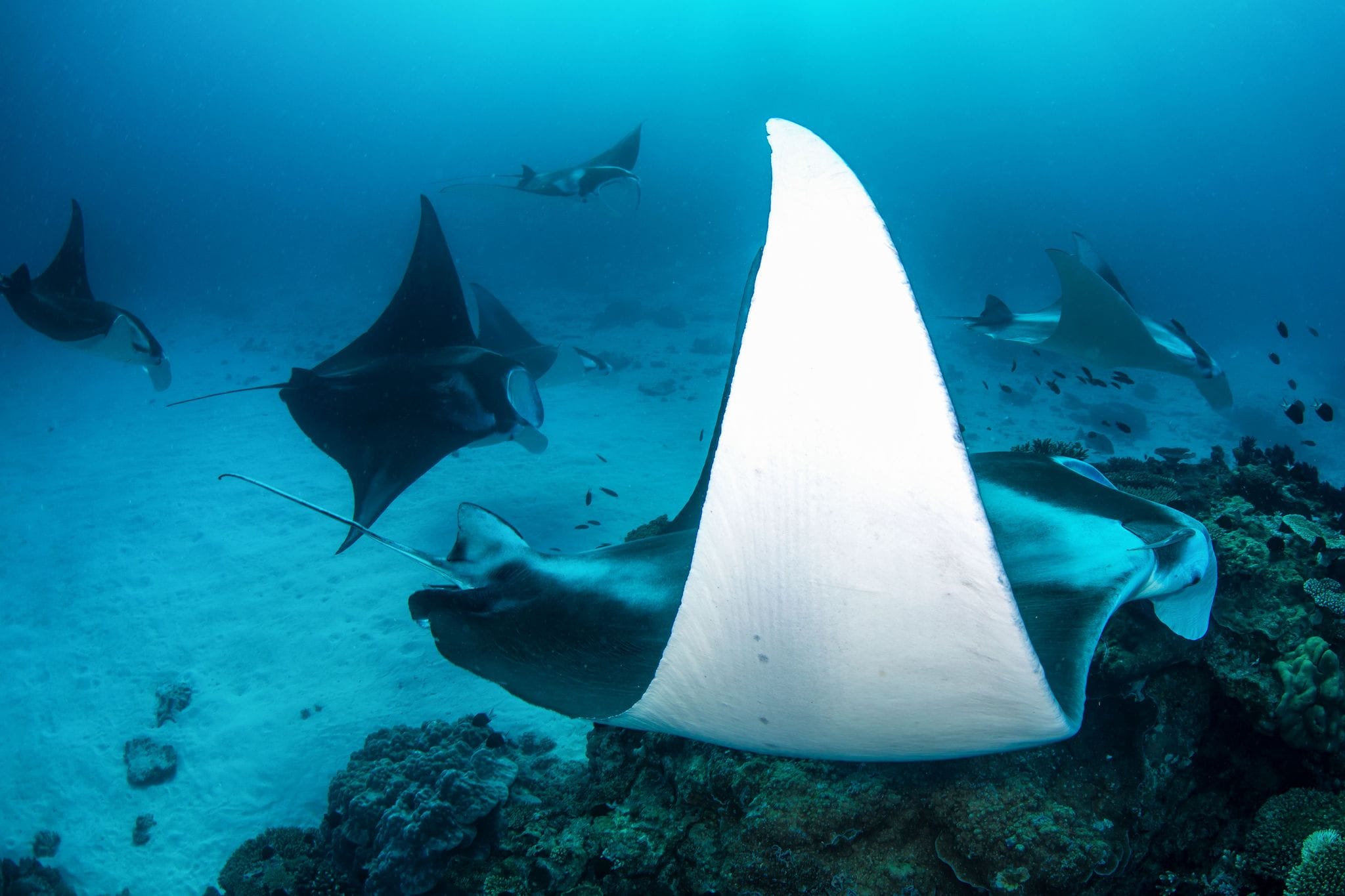
Despite their charismatic nature and popularity, there are still major knowledge gaps for manta rays worldwide. Very little is known about some of their key biological and ecological life-history parameters. Knowledge of their distribution, connectivity, habitat use, and movement patterns is vital for conservation purposes.
Sadly, the Reef Manta Ray, Mobula alfredi, is listed as Vulnerable to Extinction on the IUCN Red List of Threatened Species. This is due largely to targeted fisheries in parts of their global range, combined with their conservative life history traits.
Project Manta is a multidisciplinary research program based at the University of the Sunshine Coast. It was founded in 2007 to investigate the population biology and ecology of manta rays in eastern Australia. The research is funded and supported by Lady Elliot Island Eco Resort and the Great Barrier Reef Foundation.
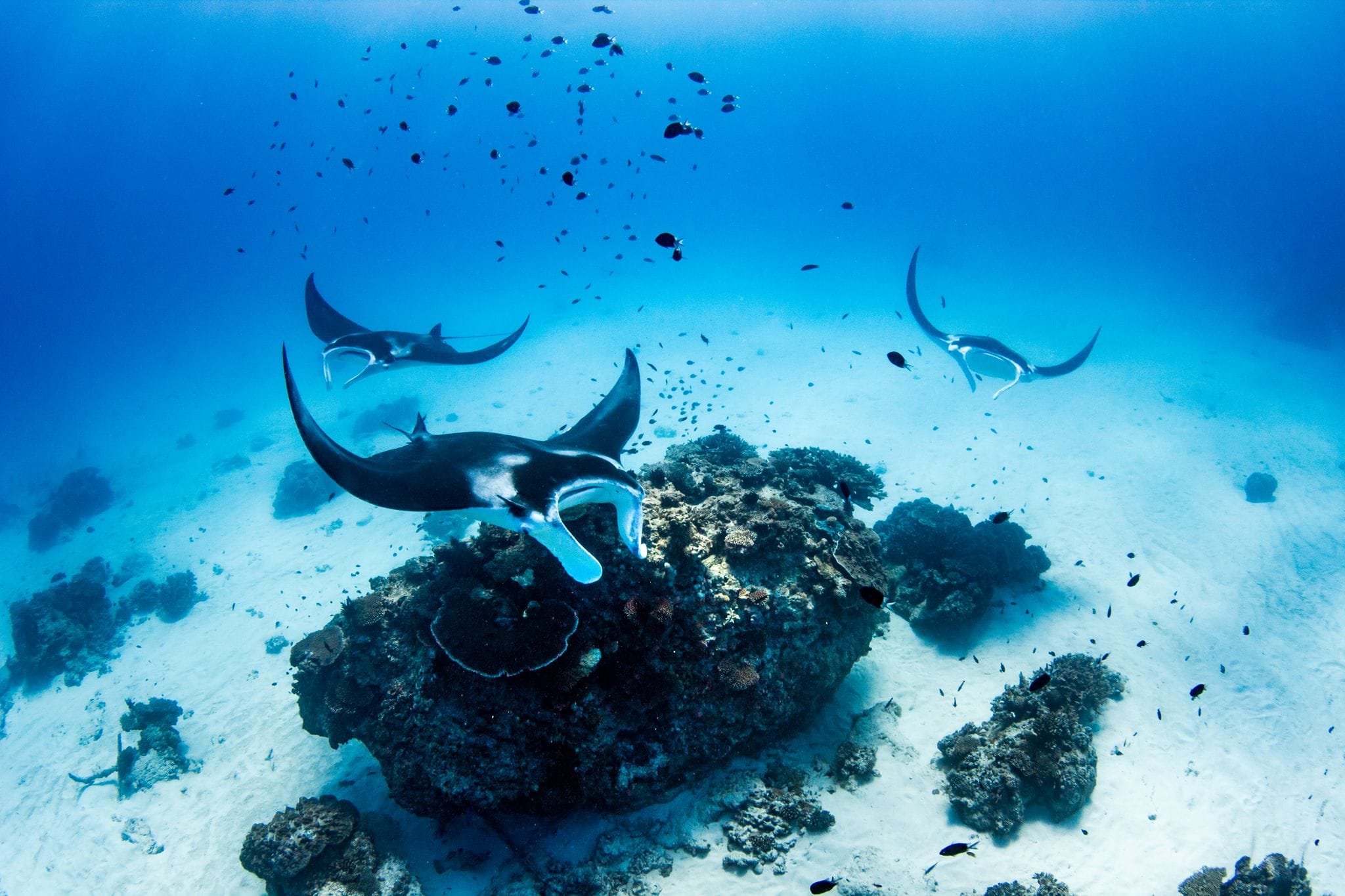
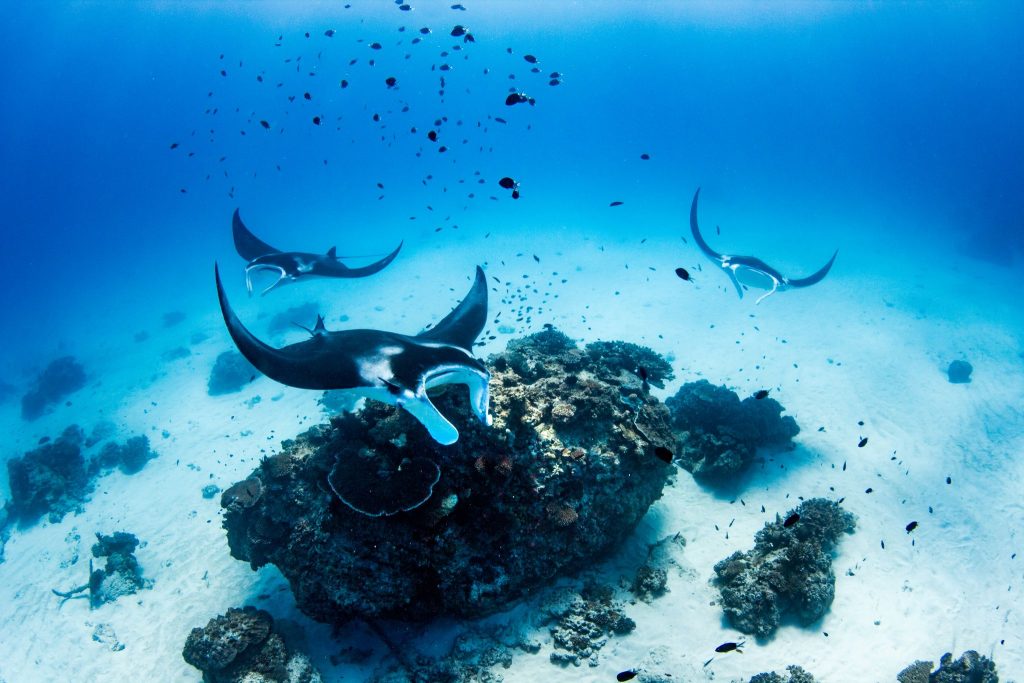
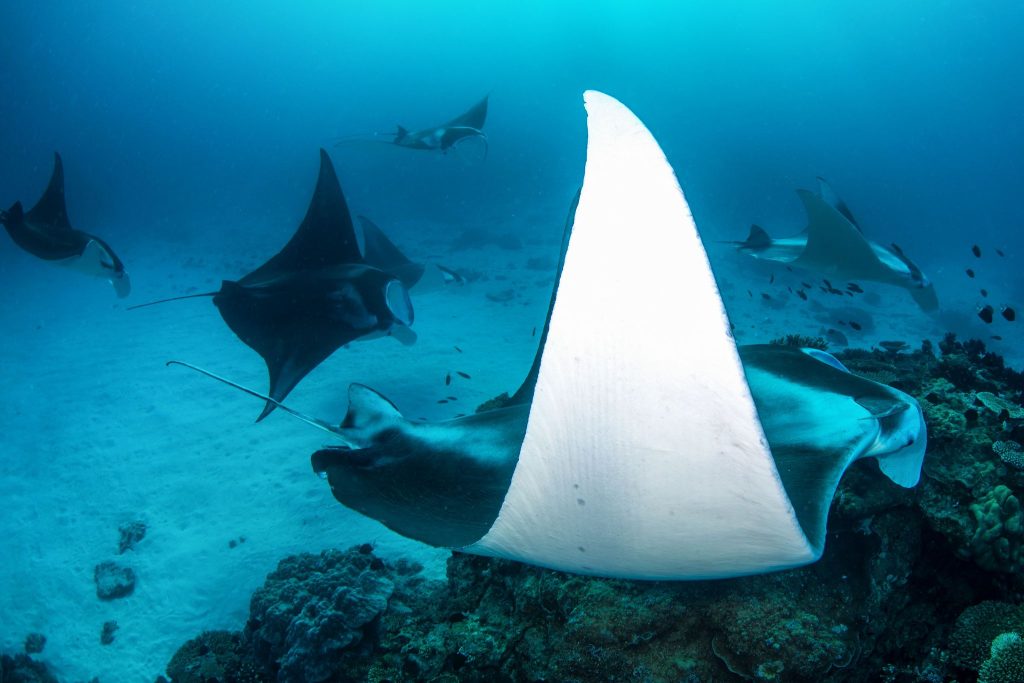
The reef manta ray, Mobula alfredi, is known to occur and aggregate at several locations along the eastern Australian coastline, with Lady Elliot Island the largest known aggregation site for this species.
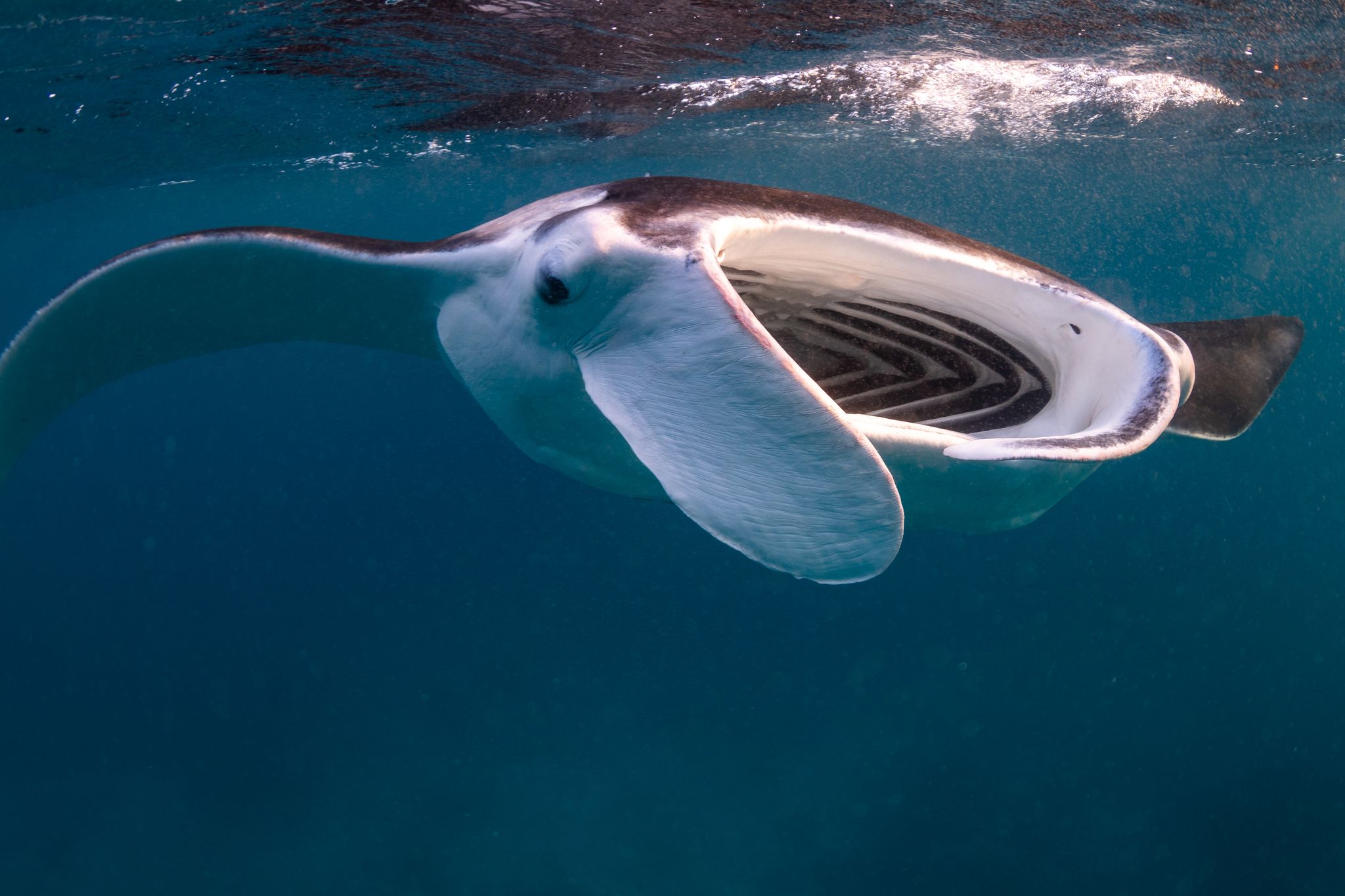
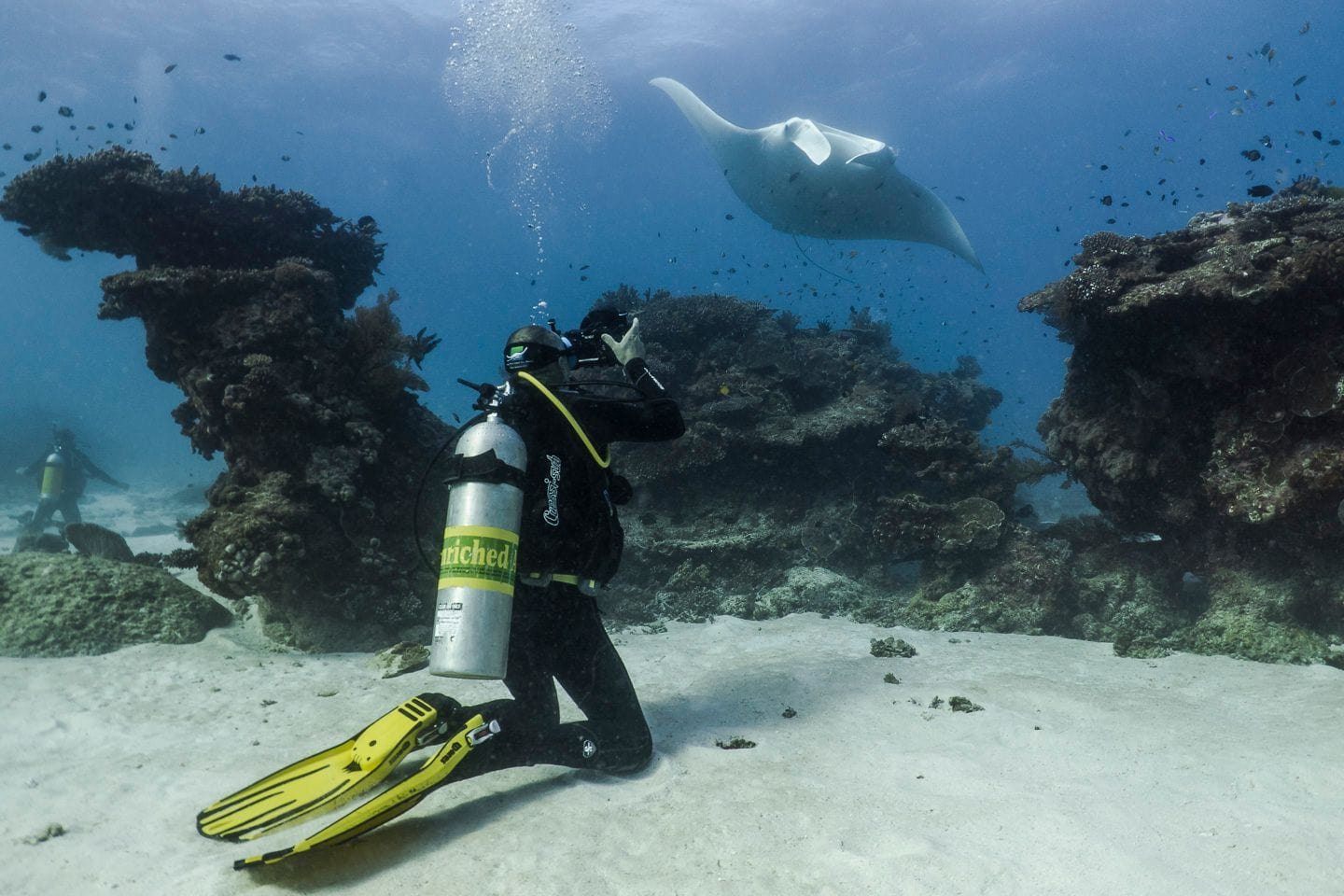
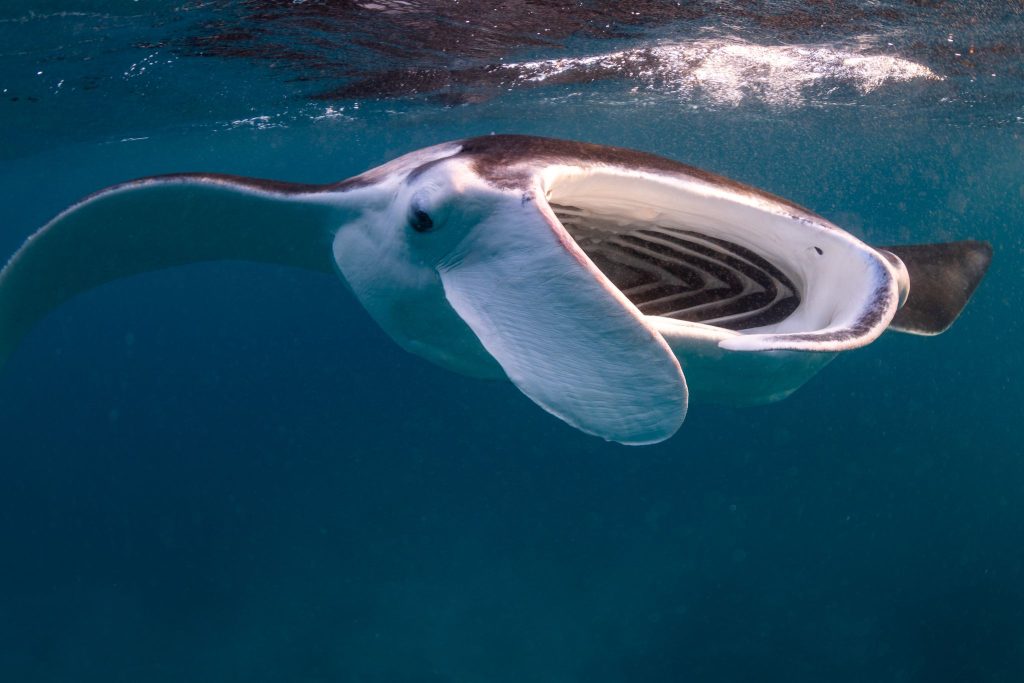
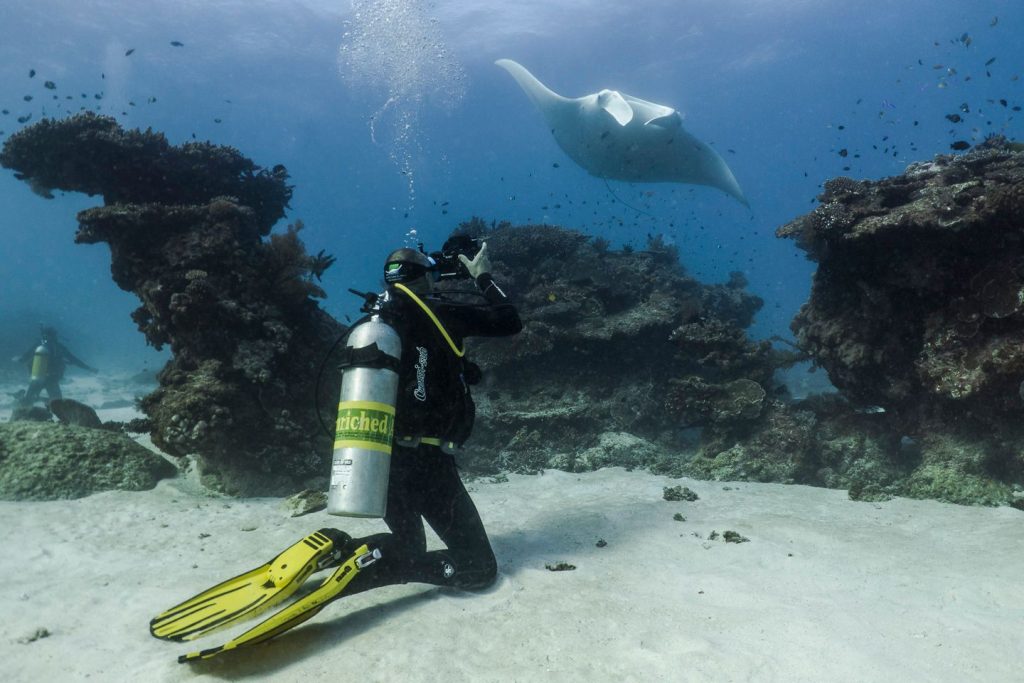
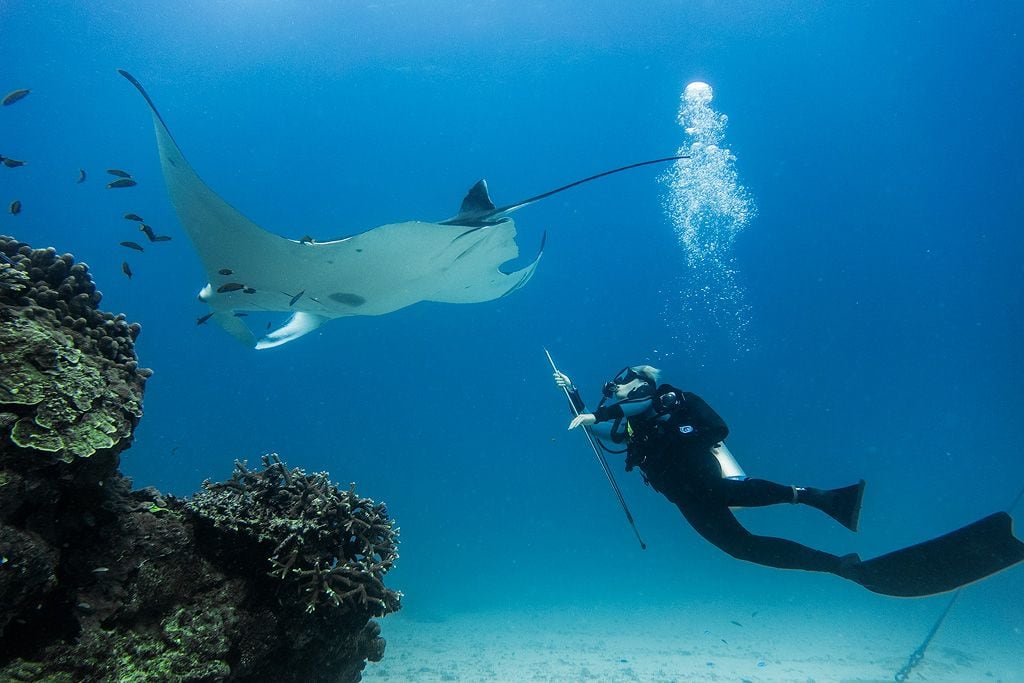
The Project Manta team visit Lady Elliot Island several times a year. On these expeditions the team will conduct research which includes photographing, observing and recording manta ray behaviour; deploying electronic tags for tracking the rays; collecting plankton samples for dietary analysis; and investigating reproductive parameters.
Lady Elliot Island is an important aggregation site and is integral to the important research undertaken by Project Manta. Manta rays can be seen all year around but aggregate in larger numbers during the winter months (May-August).
Project Manta aims to investigate several aspects of manta ray ecology and biology: population ecology (population size, structure, and distribution), habitat preference and use at aggregation sites, feeding ecology (diet composition, nutritional quality, feeding behaviour, etc) and cleaning ecology (cleaner species, parasites, cleaning stations). At Lady Elliot Island Eco Resort, we are proud to have supported this project for 18 years.
The general public can contribute significantly to the success of Project Manta. Become a citizen scientist by sharing your manta ray photos and videos. If you’re lucky enough to snap a photo of a never recorded manta ray, you’ll get the naming rights!
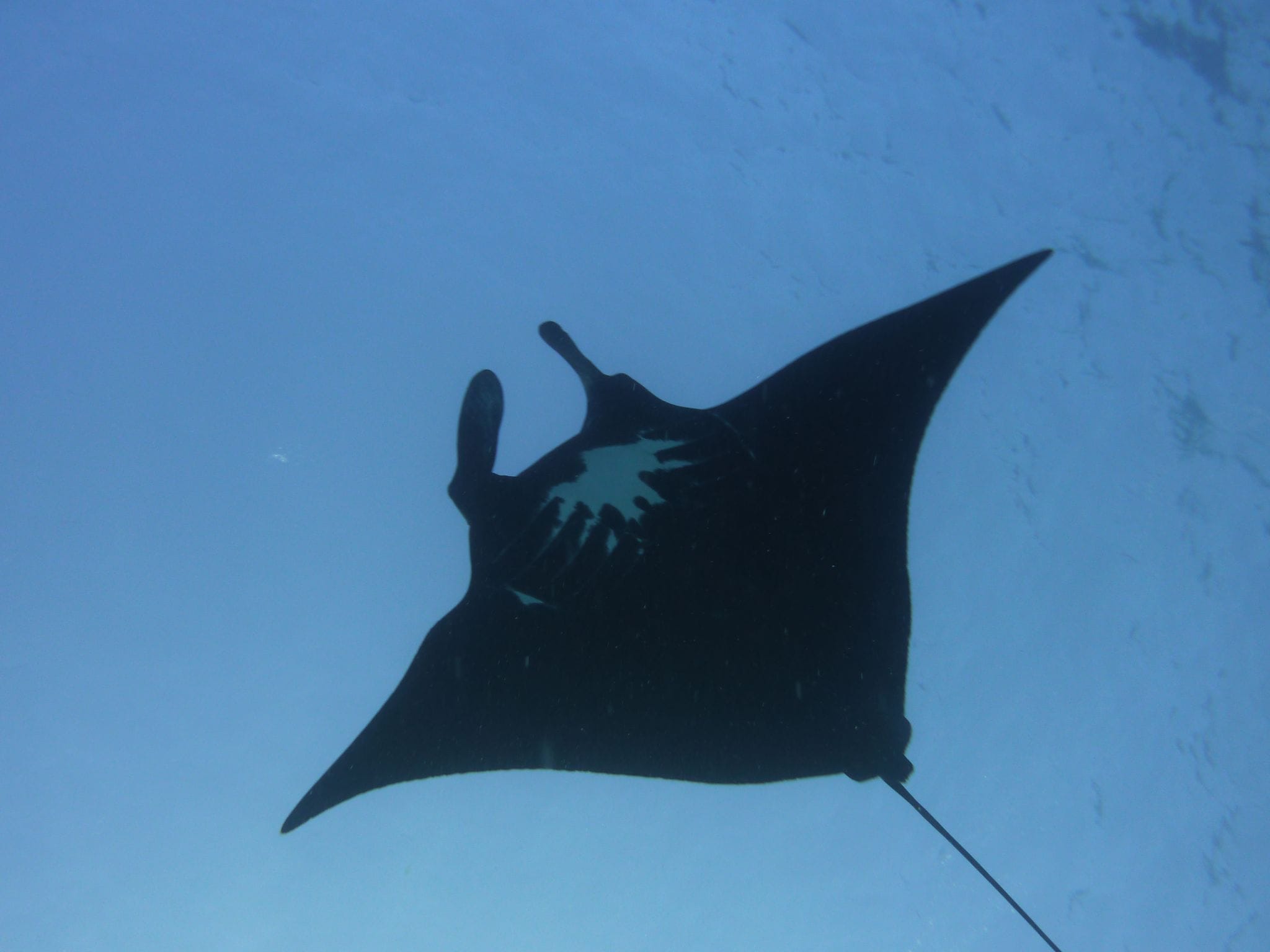
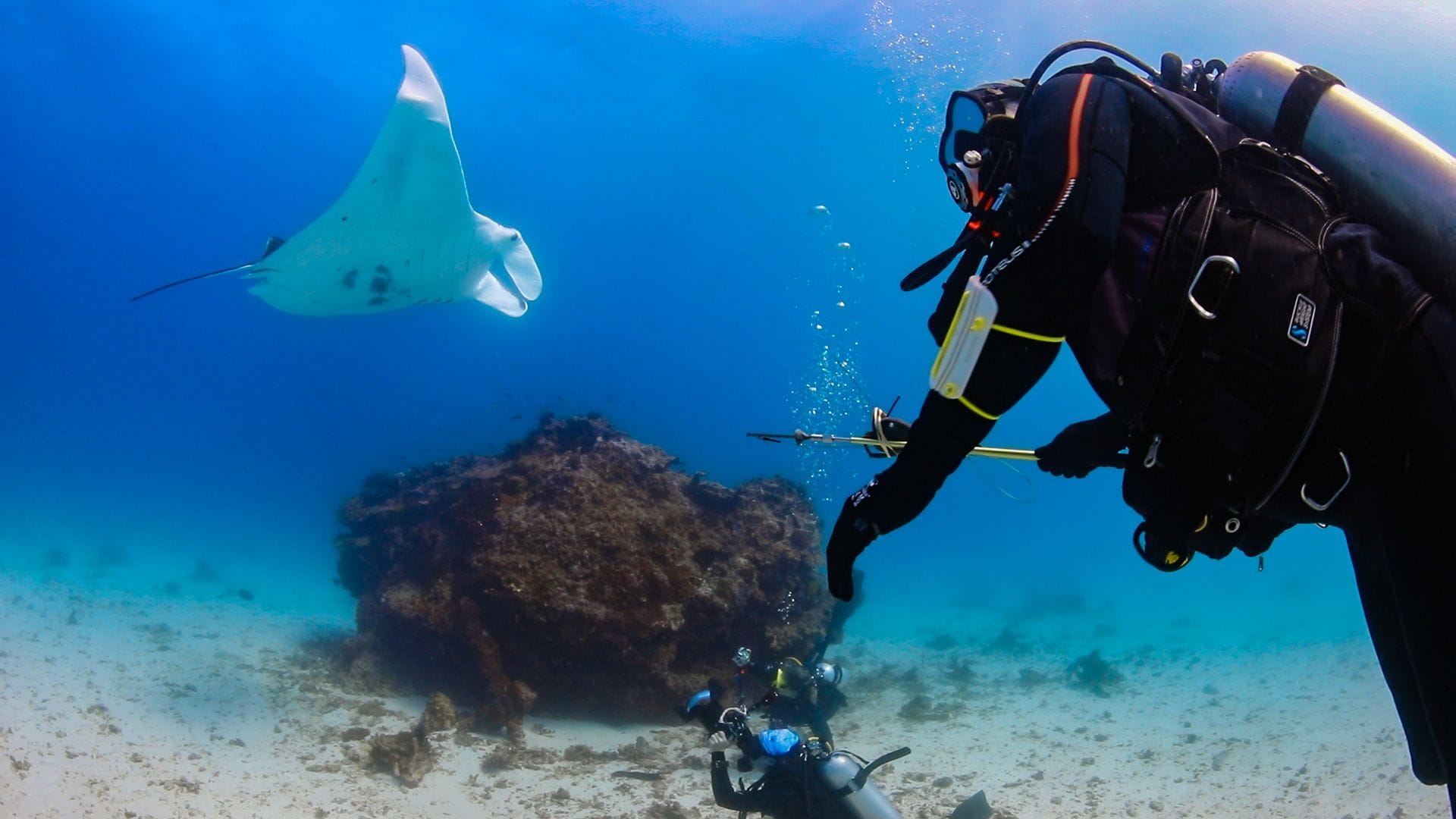
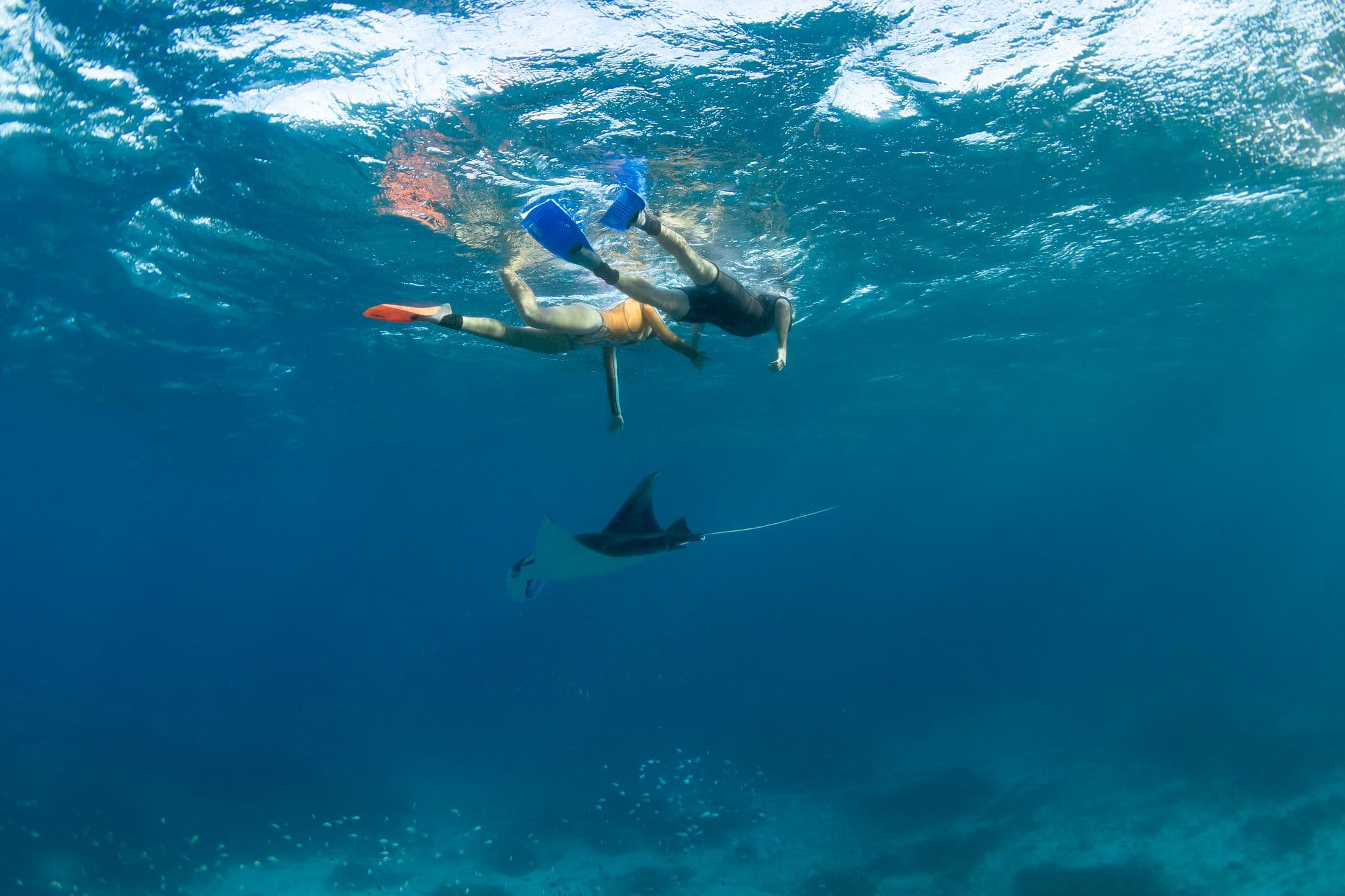
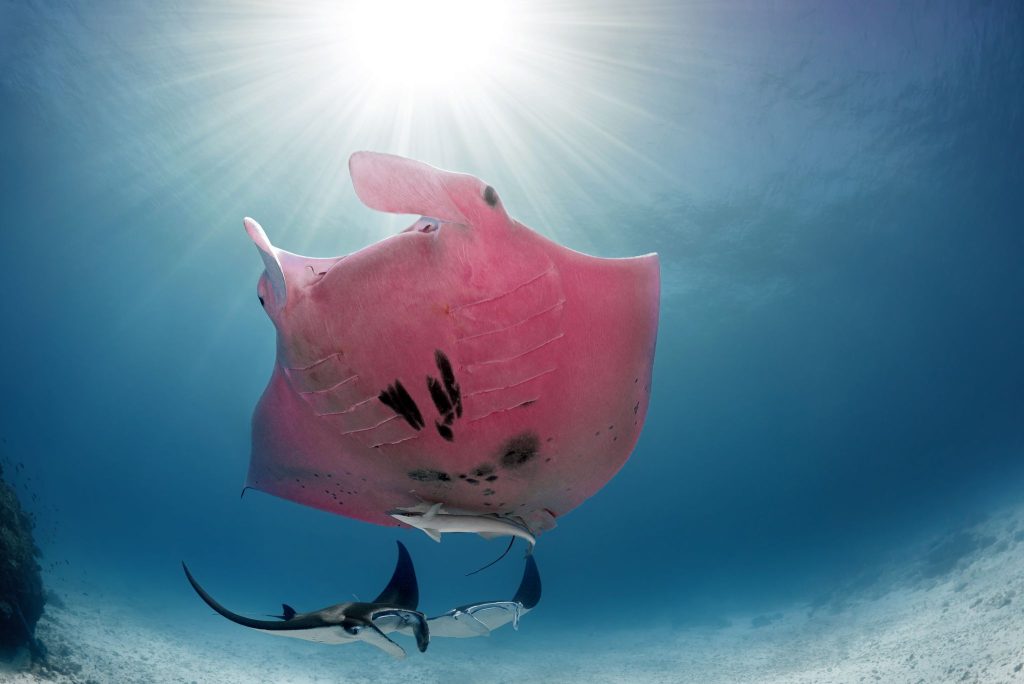
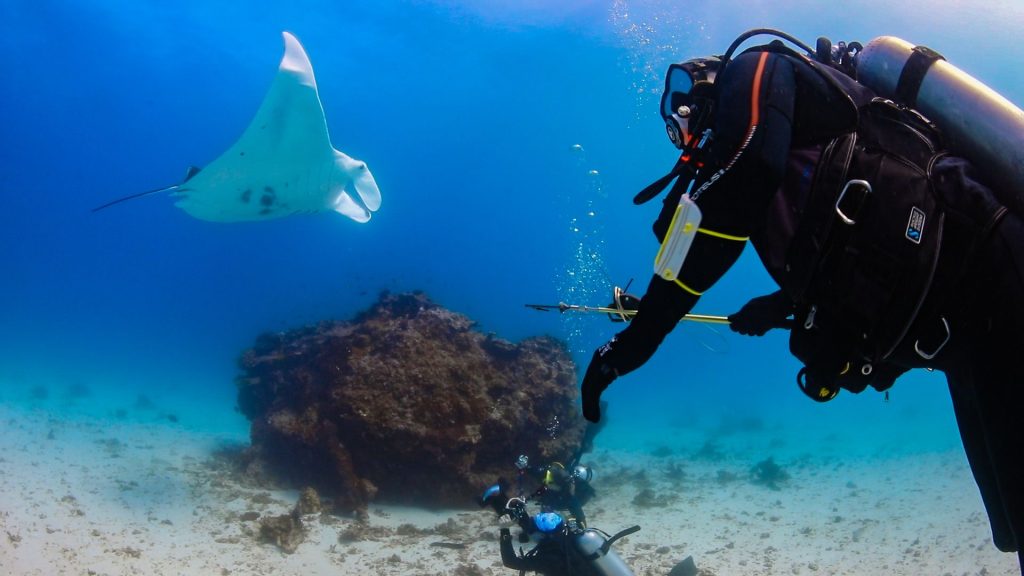
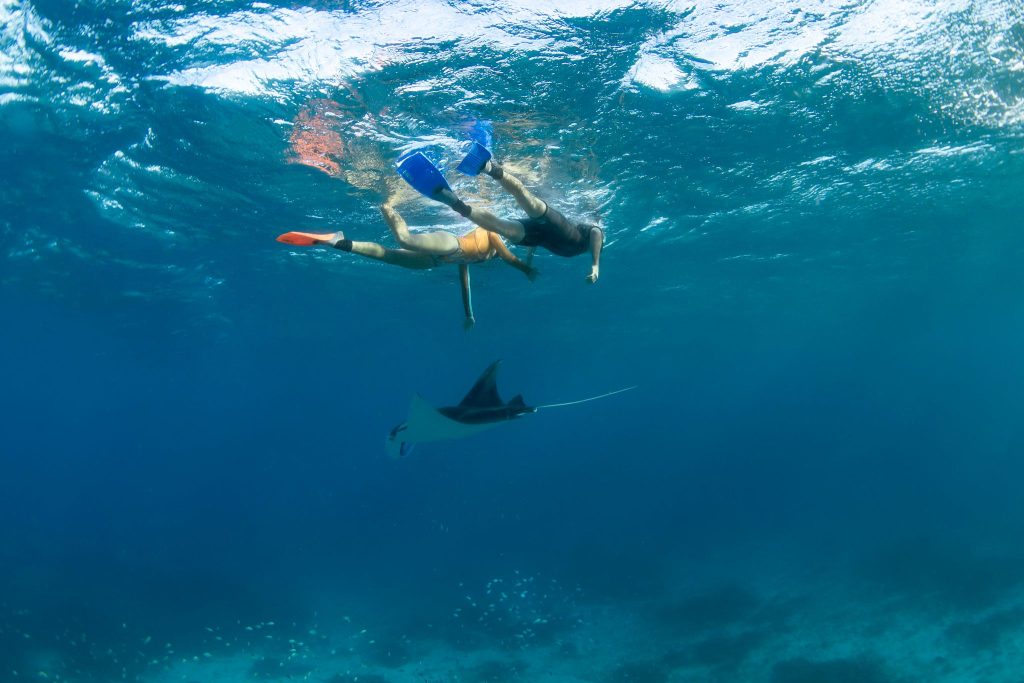
Individual manta rays can be identified by their unique spot patterns, called ventral markings, on their underside (similar to human fingerprints). These intelligent and curious animals often spend time near scuba divers and snorkellers if they feel safe, offering a great chance to photograph them during feeding or cleaning. To join part in citizen science, use a quality underwater camera or waterproof housing to capture clear, close-up shots of their bellies. Keep a respectful distance of 3–5 meters and avoid using flash to prevent distress. Always follow our eco guidelines when interacting with manta rays. Submit your photos via the link above to support important research and conservation.

Please help us to protect our manta rays & reef by following these eco guidelines when interacting with wildlife.



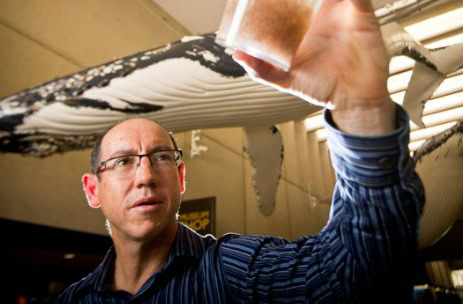

You can help protect manta rays by donating to Project Manta through the University of Queensland’s secure giving portal.
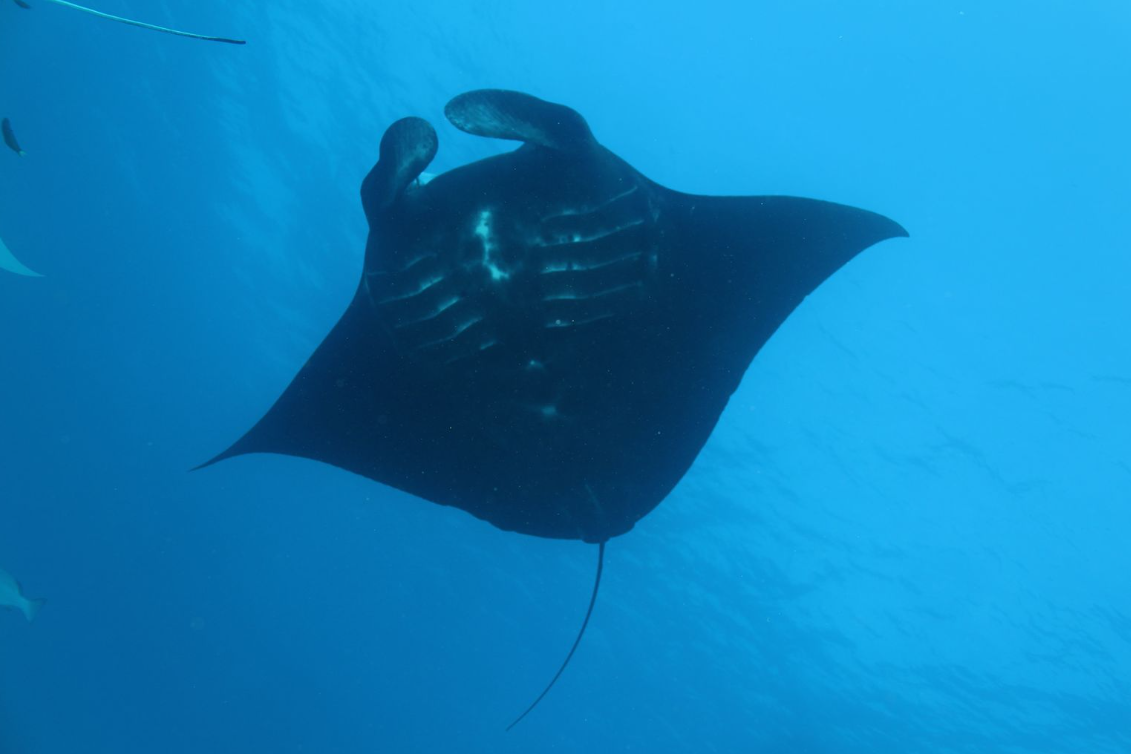
For the first time in Australian waters researchers have used ultrasound to get a glimpse inside manta rays in the wild on the Great Barrier Reef.
Read the Article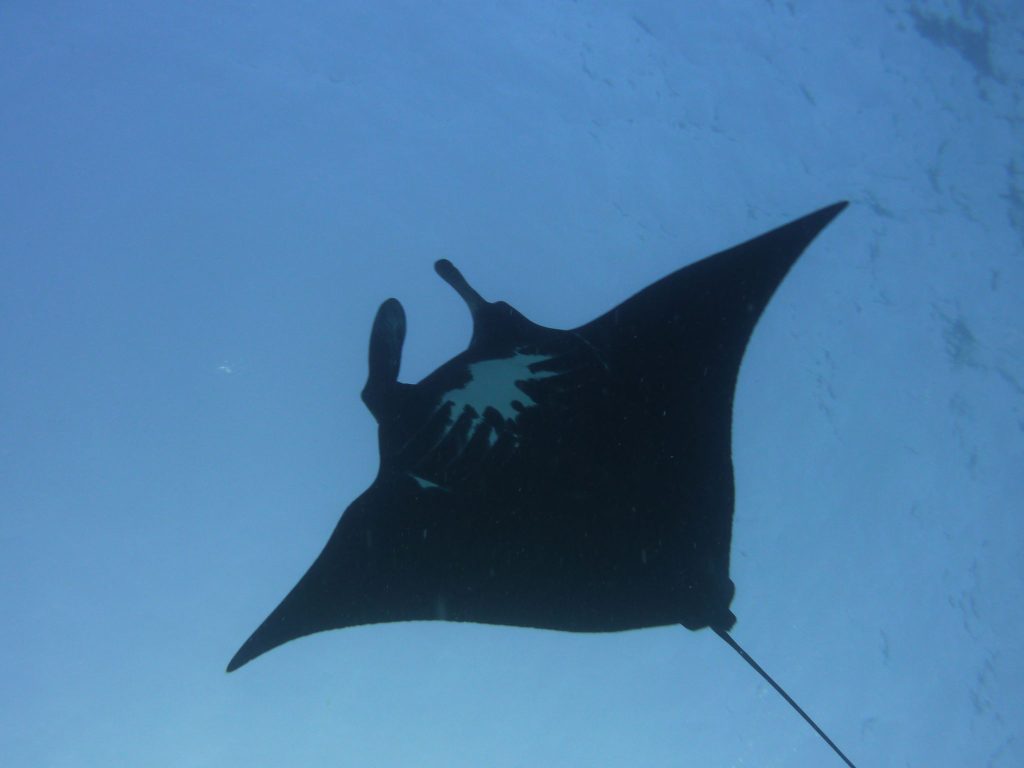
 Accommodation
 Day Visits
 Getting Here
 Snorkel & Dive
 Sustainability
 Upload Manta ID Photos
  Donate to Manta Ray Research