 Accommodation
 Day Visits
 Getting Here
 Snorkel & Dive
 Sustainability
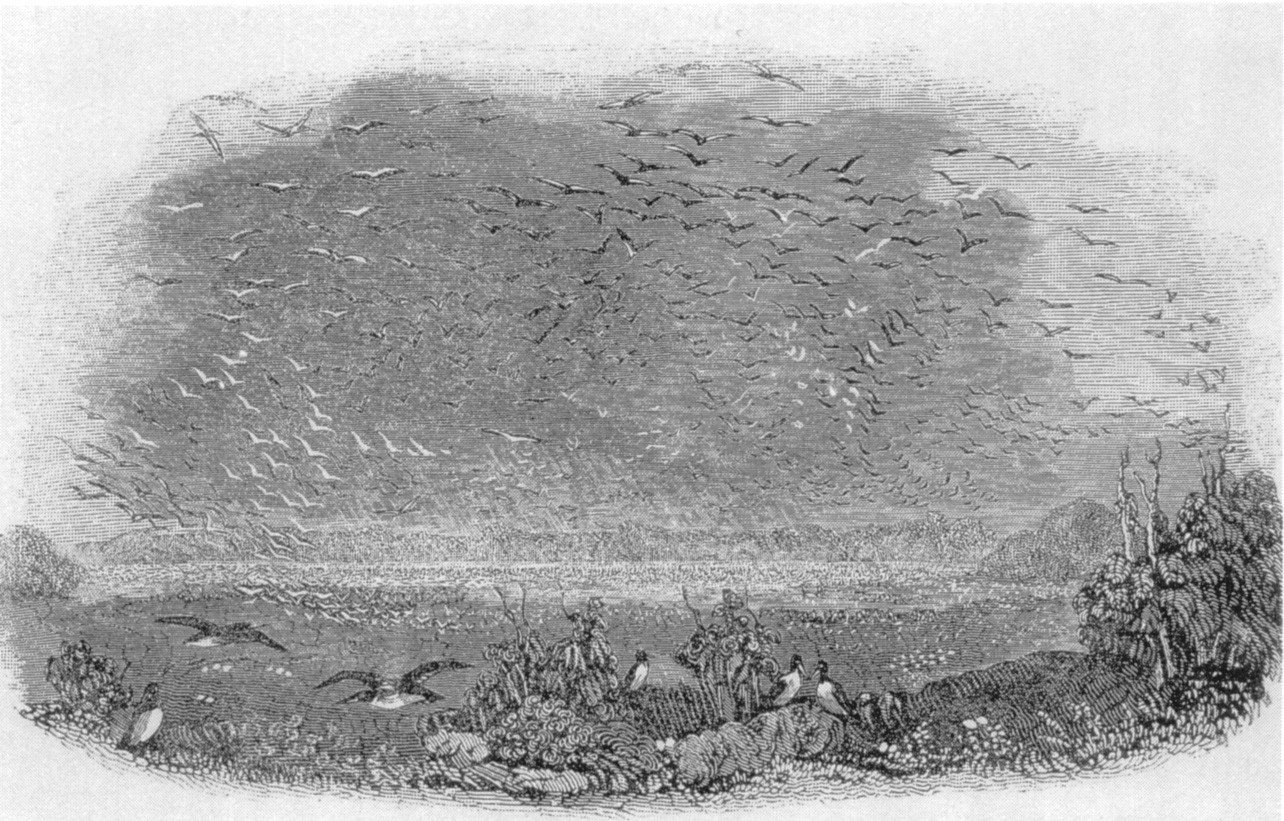
After its discovery in 1816, Lady Elliot Island was mined intensively for guano (bird poo) which was used as a fertiliser, an industry that was beginning to boom at the time. This process was extremely destructive, leaving the island bare and barren for years to come, due to the removal of all soil and vegetation. It wasn’t until 1969 that tourism arrived in the form of Don Adams who commenced revegetation work, which has over time, led to the eco paradise that thrives here today.
Check out our historical snapshot below for some of the key stepping stones in the island’s history.
01

Island Formation
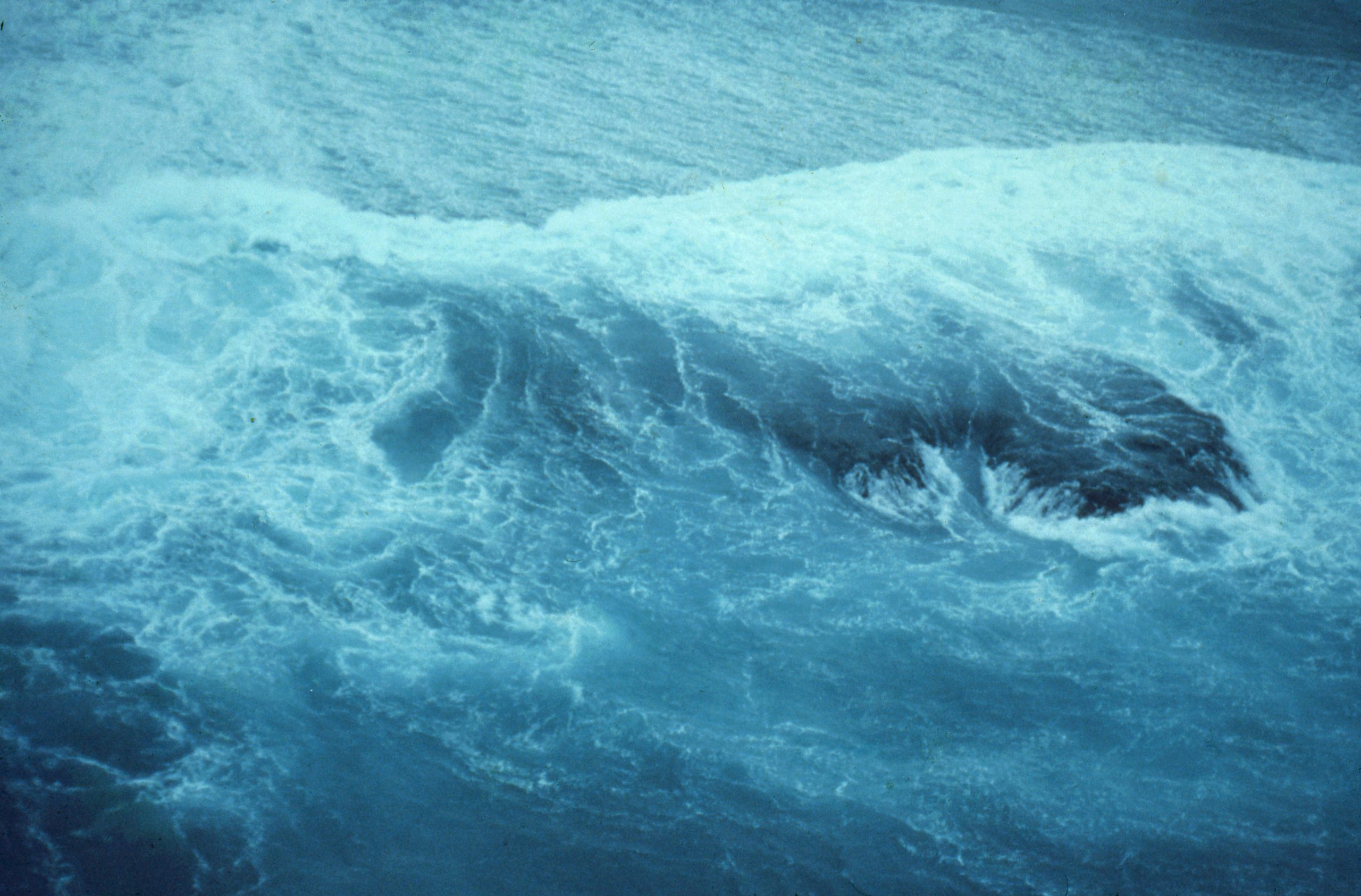
Around 6,000 years ago as the sea level stabilised, coral reefs began to flourish. A combination of wind, waves and weather events were able to break up large quantities of coral which then turned into rubble and was moved around with ocean currents. This rubble accumulated into a coral spit, eventually breaking the surface of the water.
02

Sea birds and vegetation
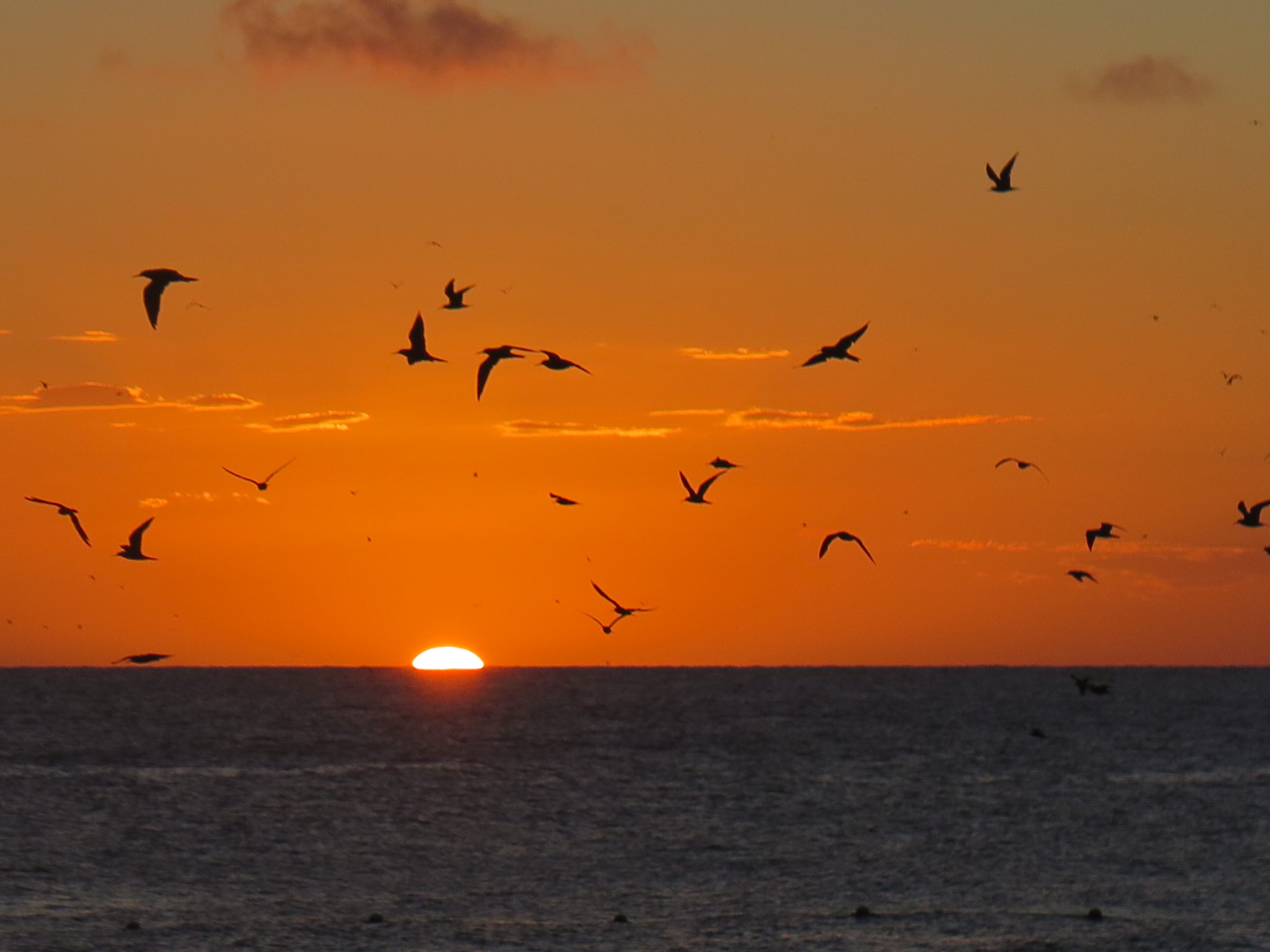
Seabirds began to land on the coral spit and deposit their droppings, over time creating soil. Salt resistant seeds washed ashore to germinate, giving rise to species such as pisonia trees, octopus bushes and casuarinas. The coral spit became a coral cay around 3,500 years ago.
03

The Ship
In 1816, captain Thomas Stewart was sailing the ship “The Lady Elliot” named after a colonial governor’s wife, along the east coast of Australia. The vessel came upon a coral cay which was designated “Lady Elliot Island” after the ship.
04

Mining commenced
In 1851, the “Bolton Abbey” and “Countess of Minto” arrived on Lady Elliot, aiming to procure a supply of Guano. One ship wrecked on the island and the other was driven out to sea. The fertiliser industry was beginning to boom through the use of guano. In 1863 a lease was secured by Jack Askunas to mine guano from the island in exchange for 200 pounds per annum.
05

The first lighthouse
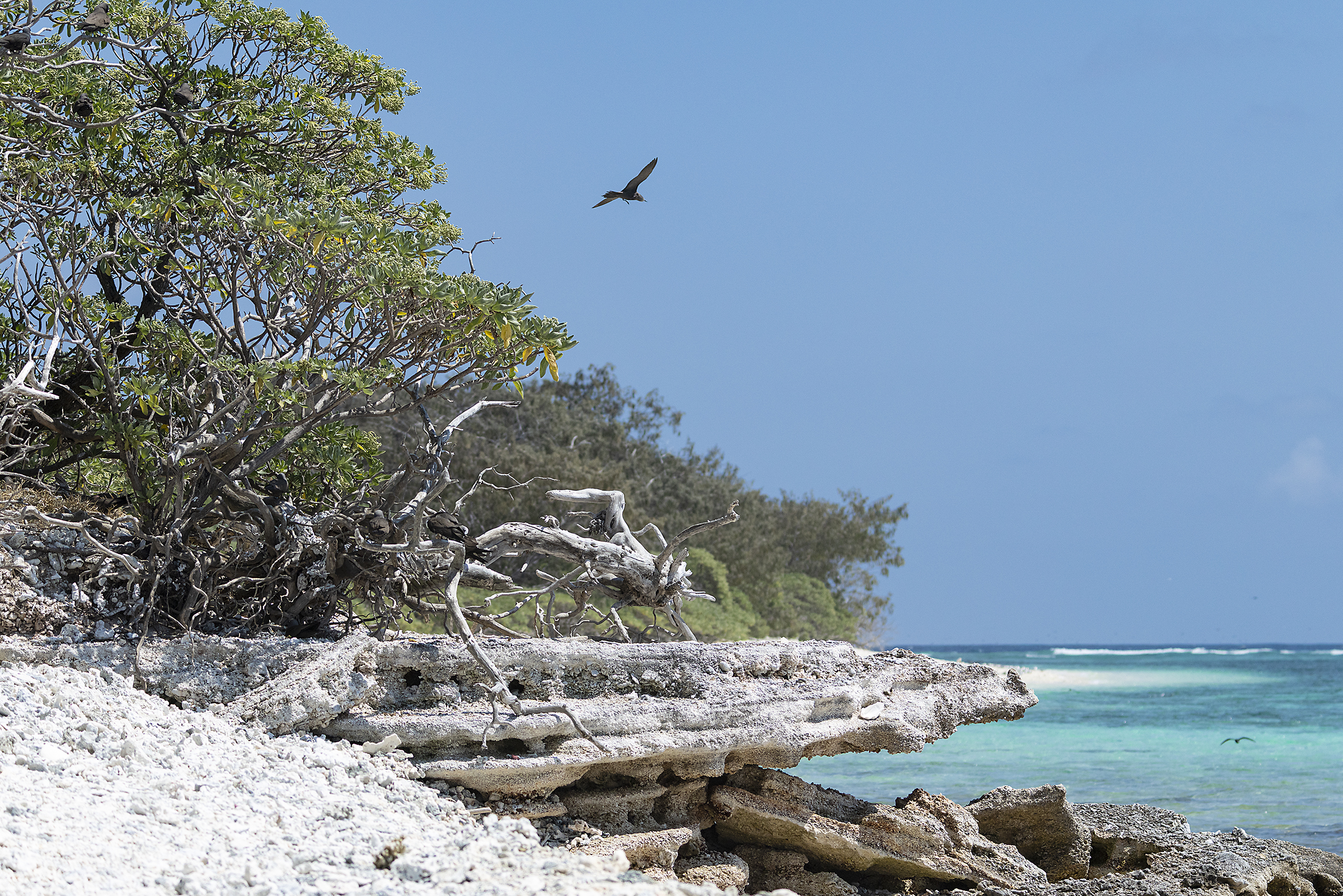
A tall wooden post with a kerosene lantern on top was erected as a form of lighthouse to warn passing ships of the island. In 1872 it toppled over in a storm and the miners occupying the island wrote urgently to the government in the hopes of securing a new warning beacon. At this time the island was only occupied by miners and a herd of goats while the island was being stripped of vegetation to effectively harvest the guano.
06

The second lighthouse
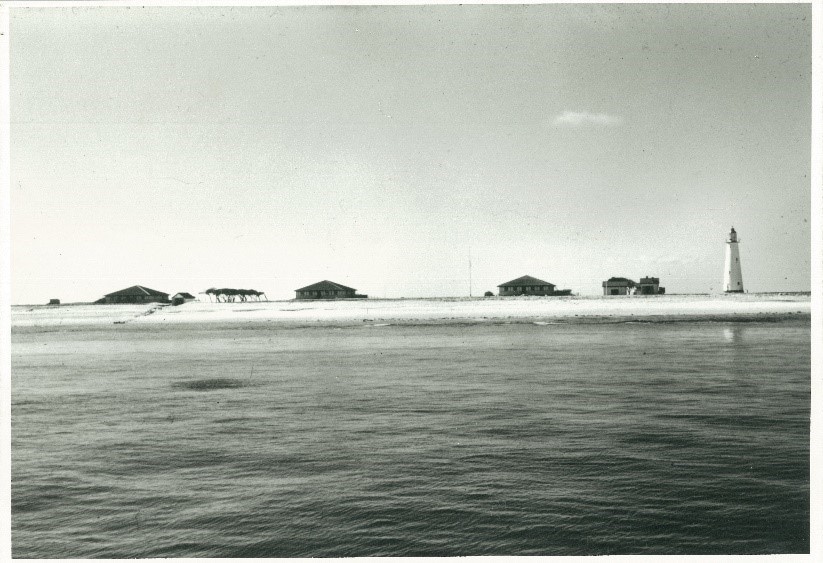
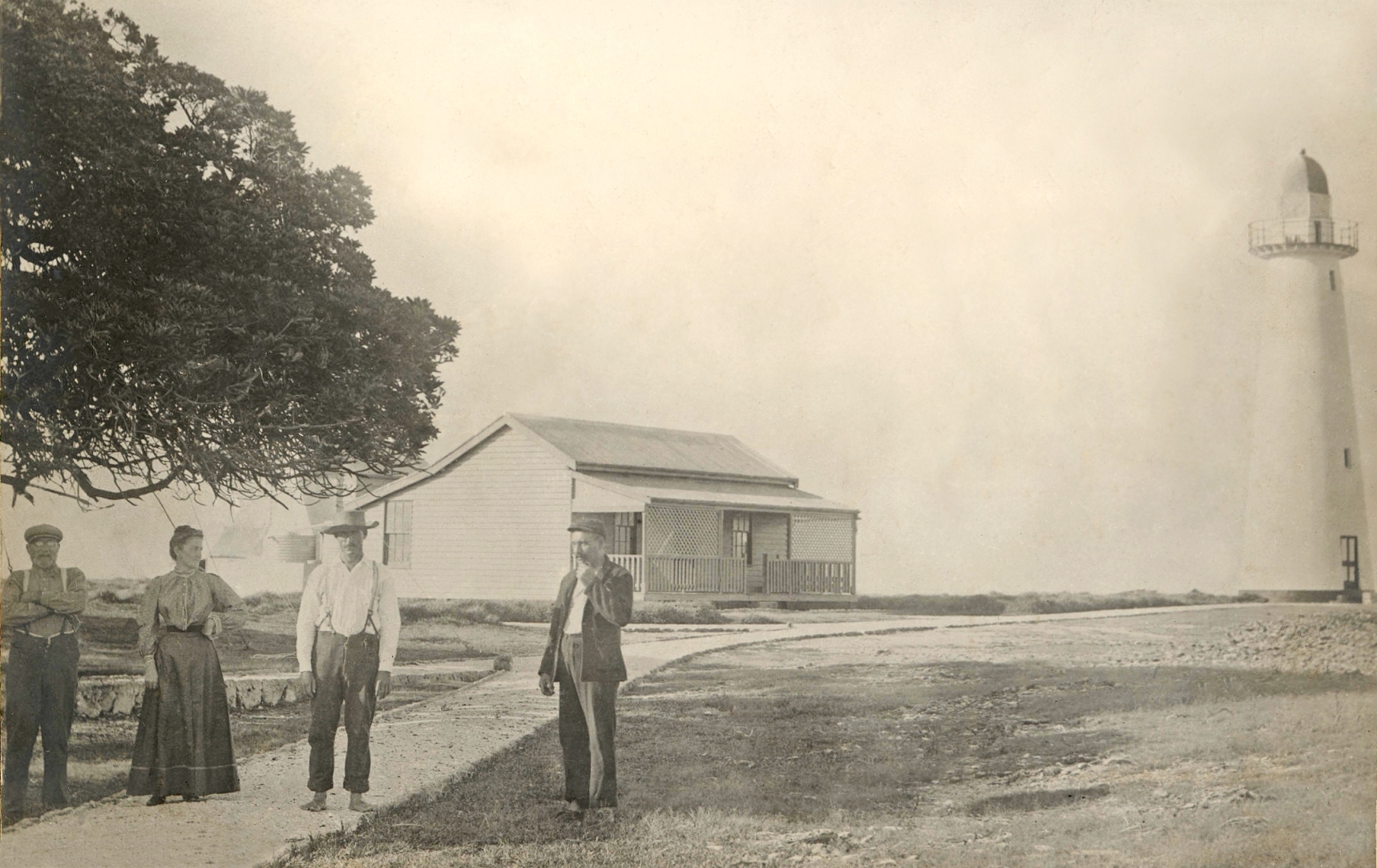
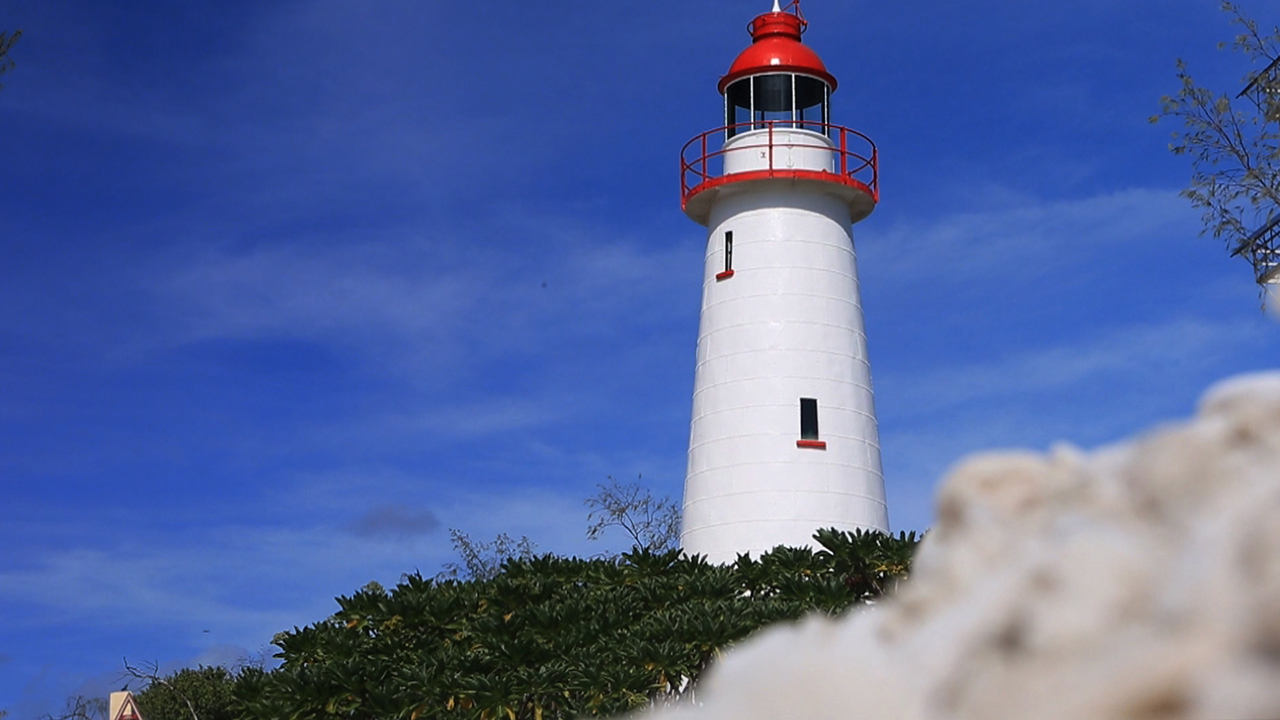
In 1873 a permanent lighthouse was constructed. Material was shipped from England and around Australia, and the blueprints created by Maryborough locals, the Rooney brothers. Standing at 16m tall, it is constructed of timber internally and wrought iron externally. This design was a prototype and was the first offshore light aid built by the recently formed Queensland Government.
07

Don Adams
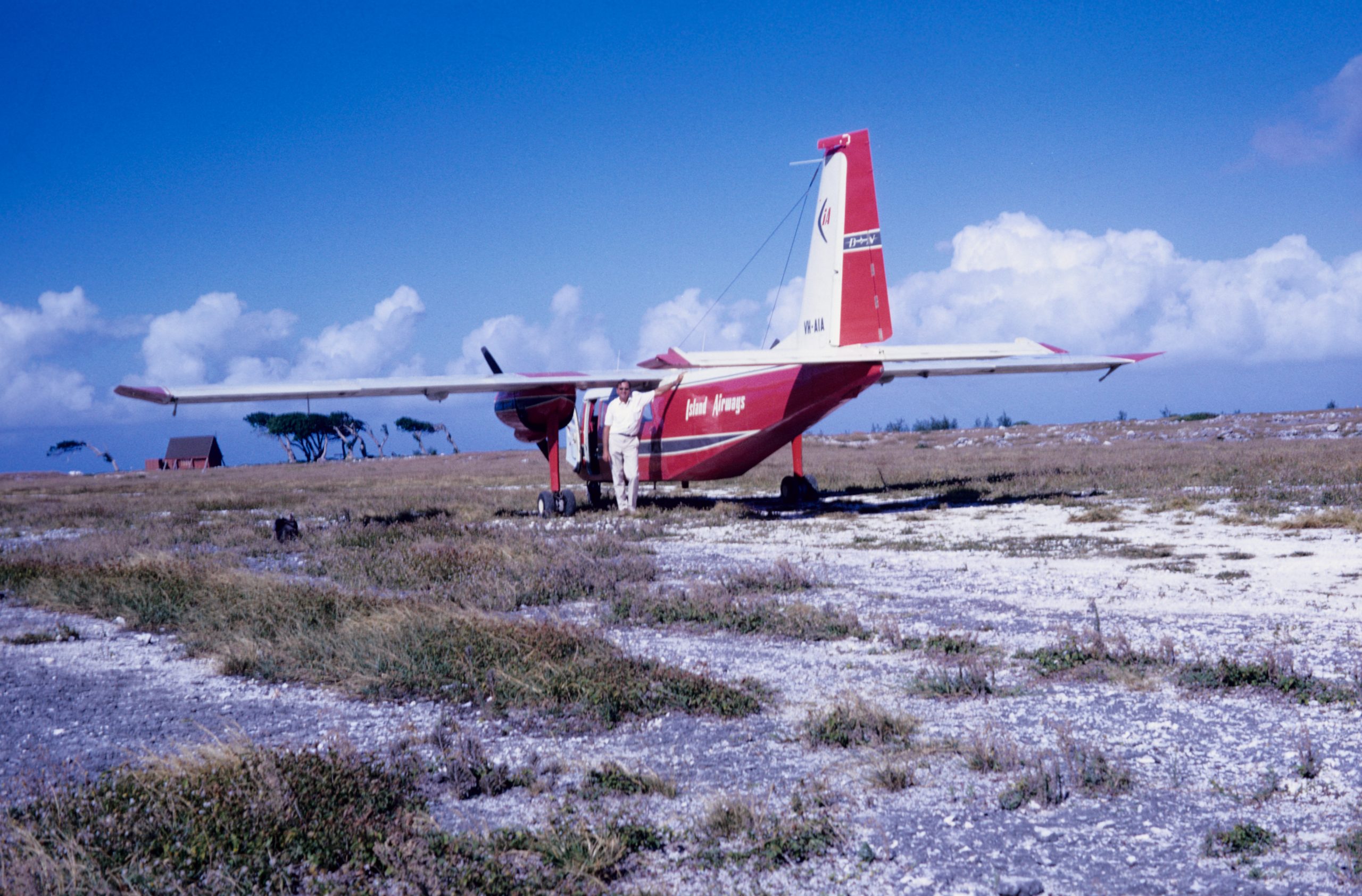
In 1969, local pilot Don Adams secured a tourism lease in exchange for constructing an airstrip on the island and beginning revegetation works. He and his family won conservation awards for their work and established day trips and overnight stays on the island, they planted many of the Casuarinas you still see on the island today and constructed the A-frame.
08

Changing Times
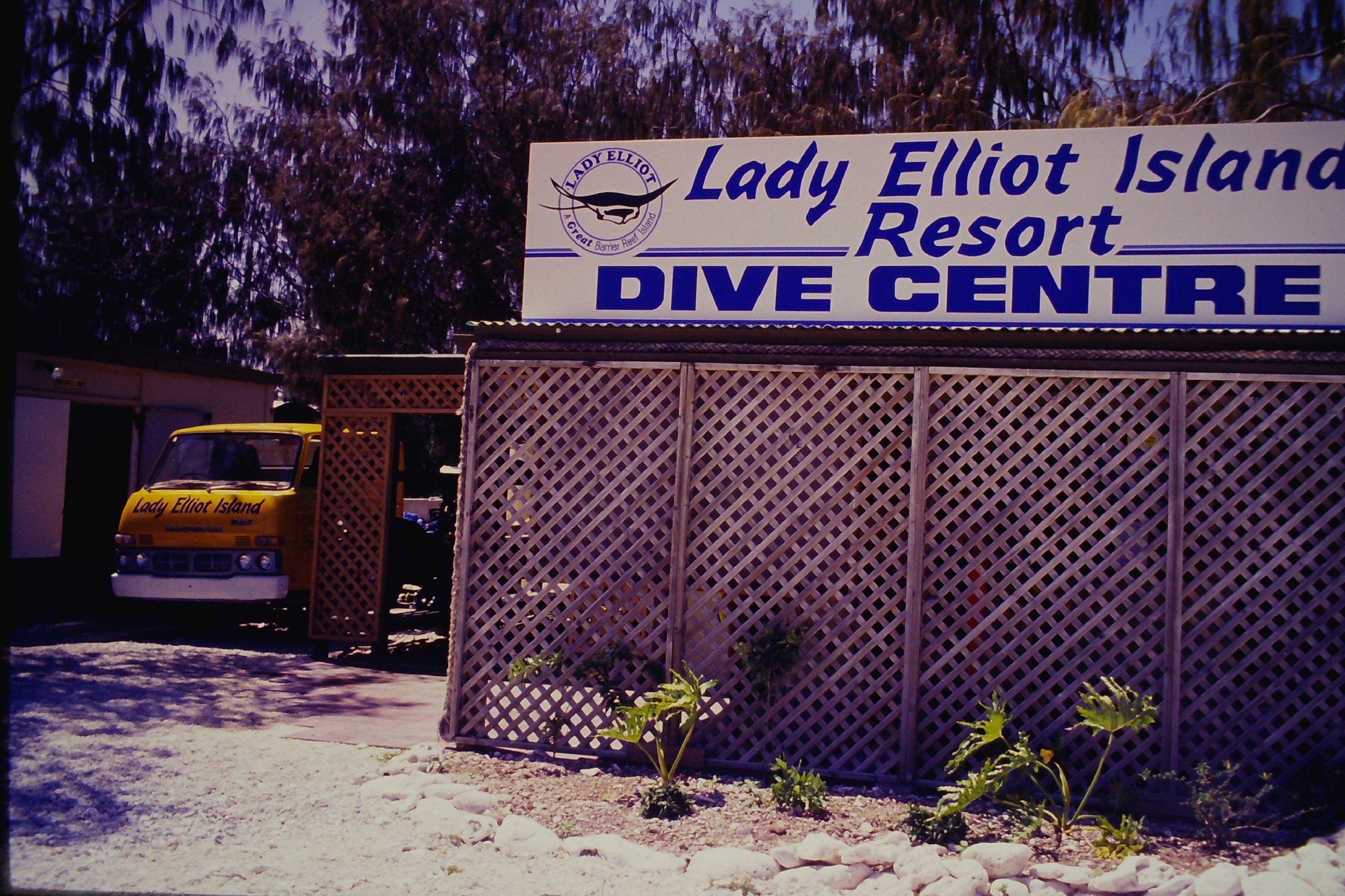
From 1970, the island lease changed hands several times. In 1985, a resort was established on the island by John and Judy French and the lighthouse was automated in 1988. In 1995, a new 35m light tower was constructed and the historic lighthouse was decommissioned as the trees had grown too tall!
09

The Gash Family
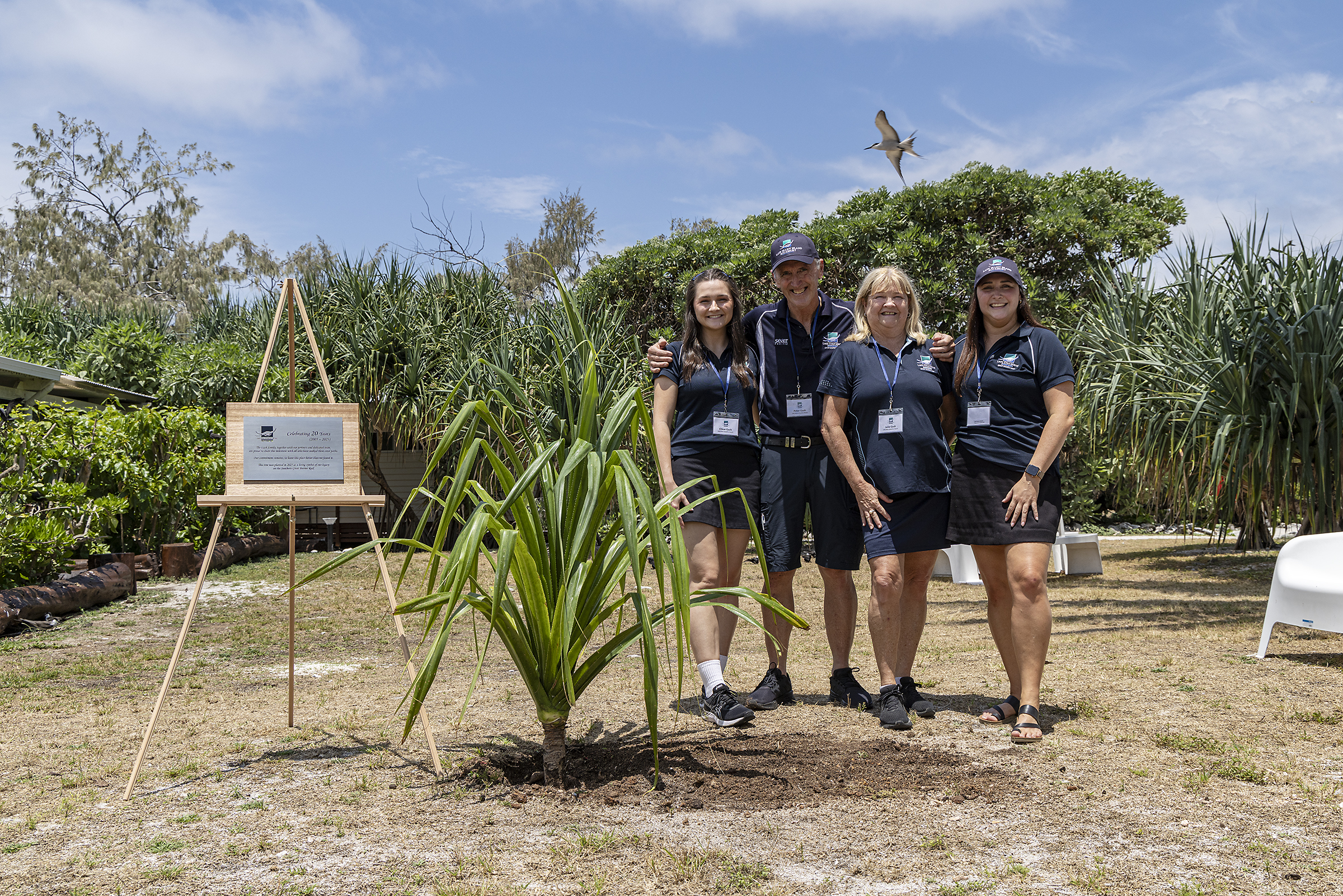
In 2005, the current custodians took over the island lease. Within the first 5 years they had constructed a hybrid power station which was the first of its kind, and started work on identifying how to restore the island to its former pre-mining glory.
10

Present day
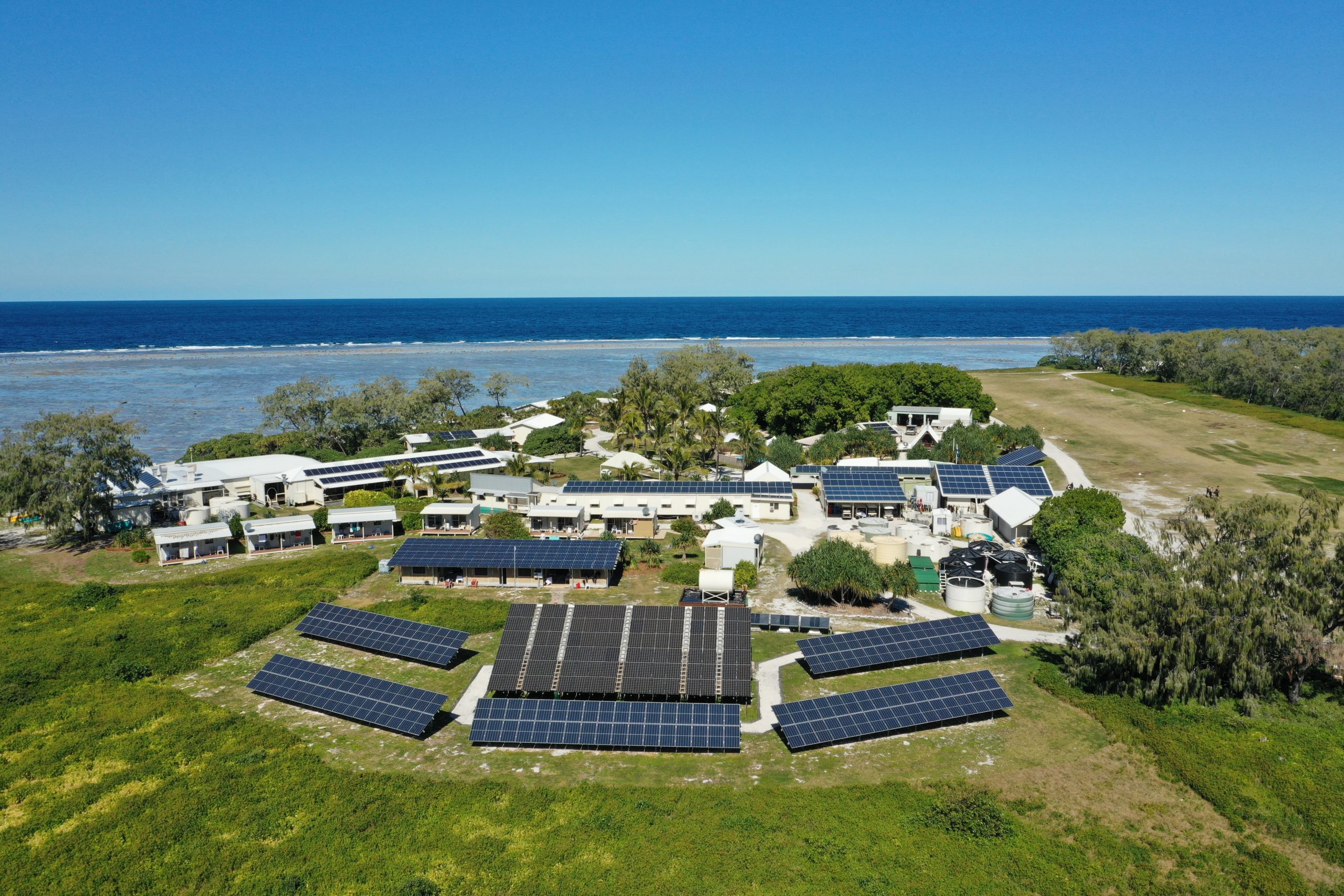
Today, the eco resort operates at approximately 80% solar, desalinates its drinking water, composts food waste and offsets carbon emissions from flights, caring for the island in any way possible!