
 Accommodation
 Day Visits
 Getting Here
 Snorkel & Dive
 Sustainability
For over 50 years, Lady Elliot Island has been on a journey of regeneration, restoring and protecting this unique ecosystem. This ongoing transformation has only been possible thanks to the unwavering dedication of passionate people working hand in hand to return this island to its natural glory.
This long-standing commitment paved the way for our island to be selected in 2018 as the first site for the Great Barrier Reef Foundation’s Reef Islands Initiative, a bold program focused on building climate resilience across key reef habitats. For us, it marked the beginning of a new chapter: a seven-year (2018–2025), island-wide mission to restore our terrestrial ecosystem, revive native flora, and protect wildlife for generations to come.
In partnership with the Great Barrier Reef Foundation and Great Barrier Reef Marine Park Authority, this program transforms reef islands into climate change refuges through collaborative efforts between Traditional Owners, scientists, tourism leaders, and communities.
We are incredibly grateful to the Great Barrier Reef Foundation for their support and funding from the project’s inception through to mid-2025, and to the Great Barrier Reef Marine Park Authority for stepping in as the primary funding body with commitment for the coming years.
Today, thanks to decades of collaboration and care, our island is thriving once again.
A heartfelt thank you to our extraordinary volunteers whose dedication and passion make this restoration work possible.
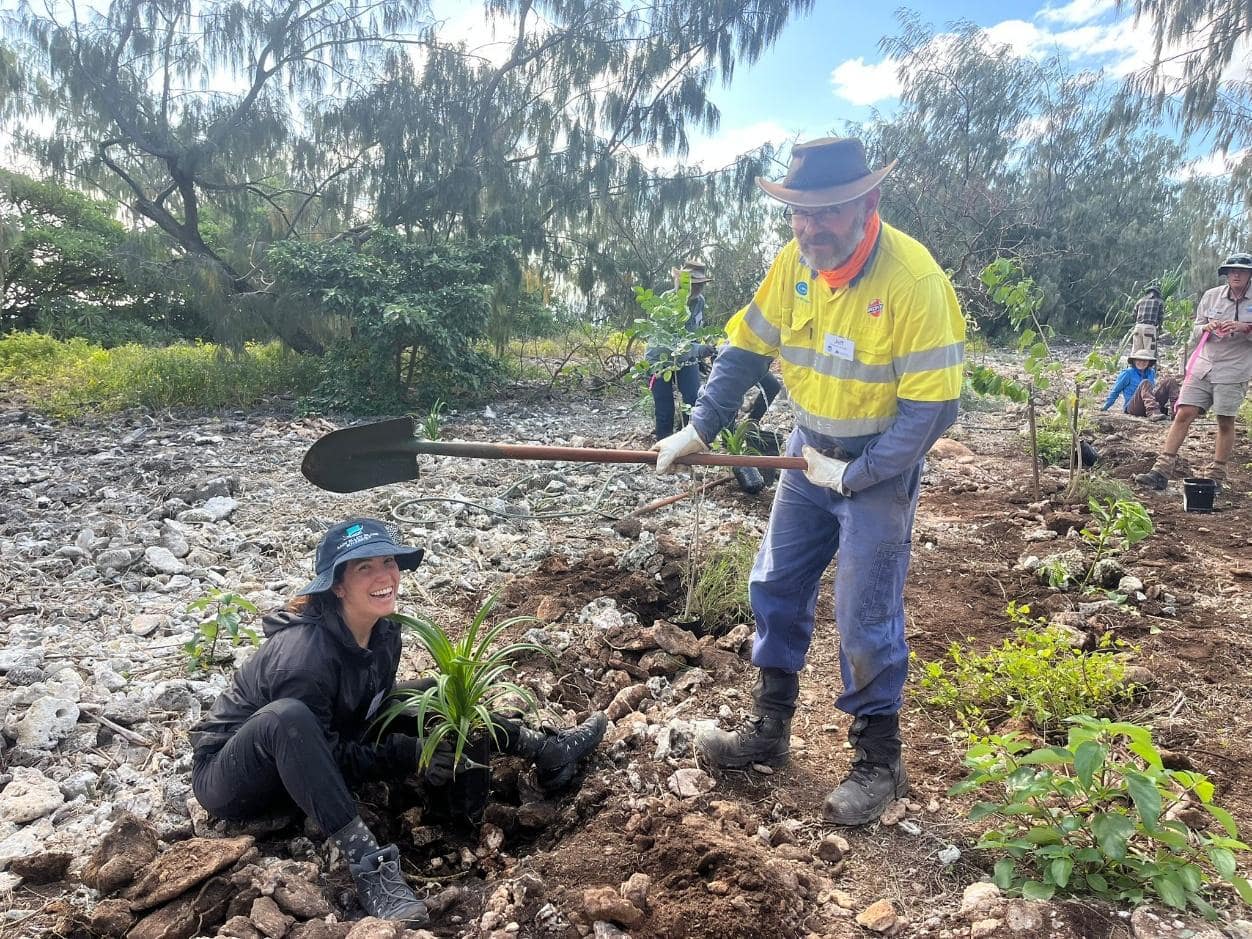
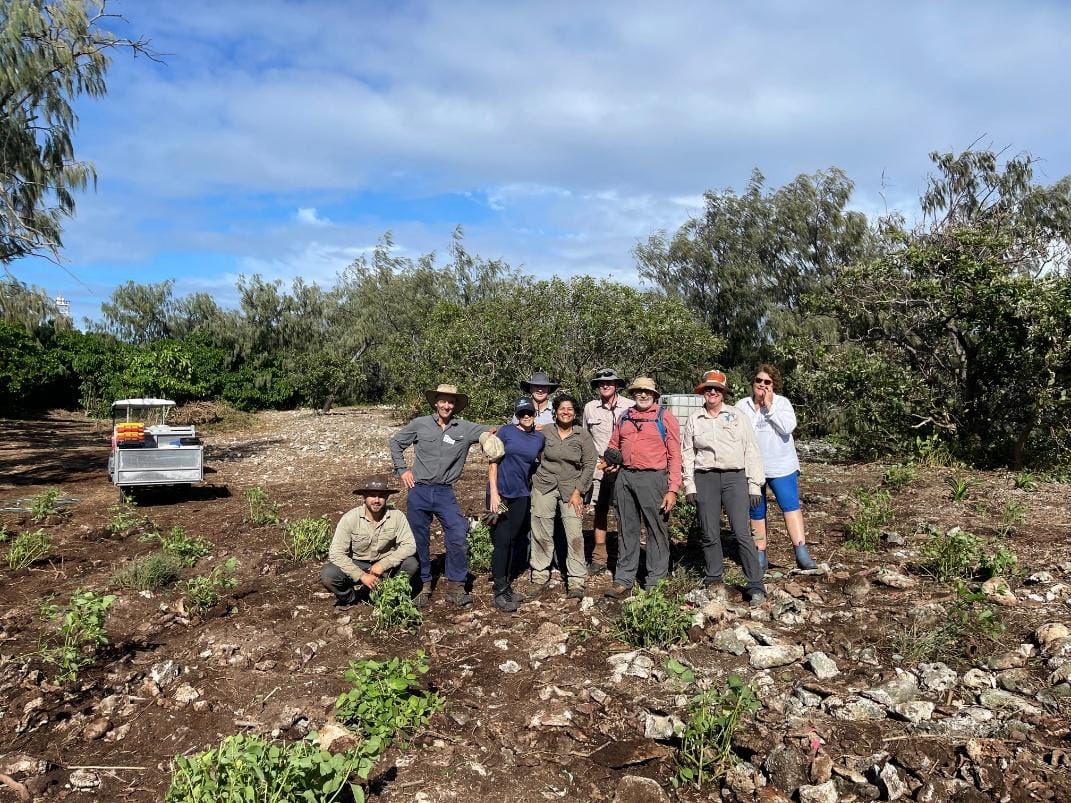
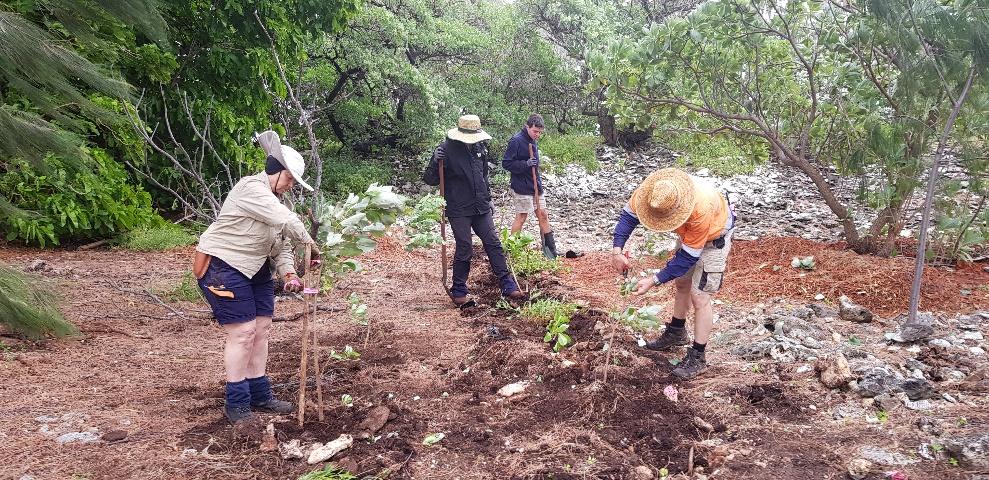
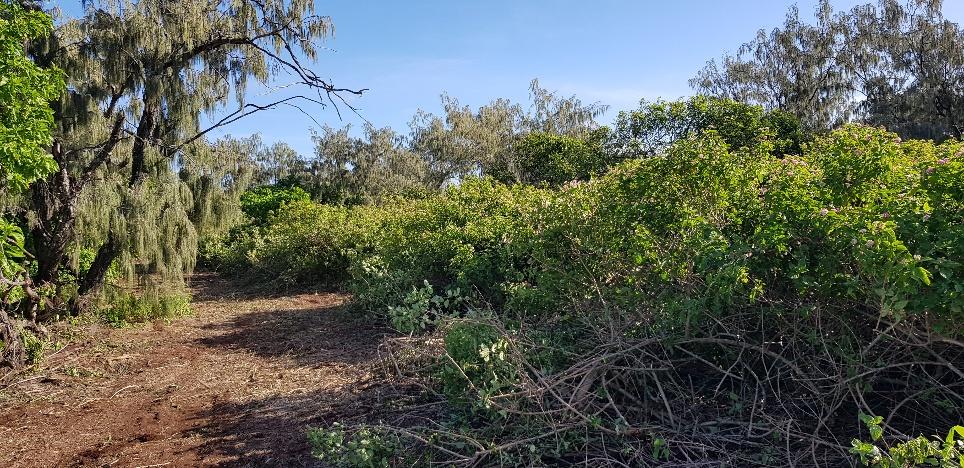
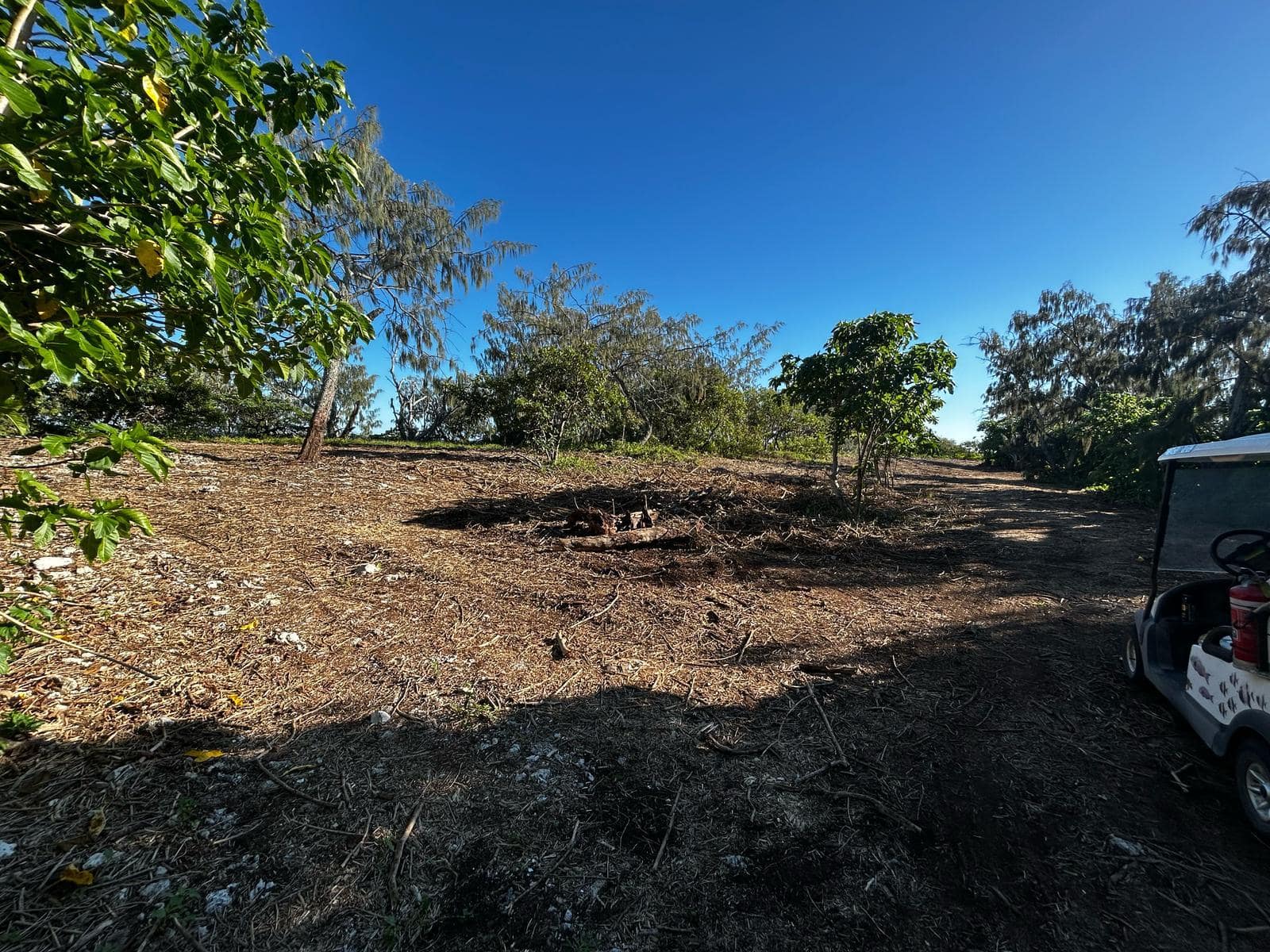
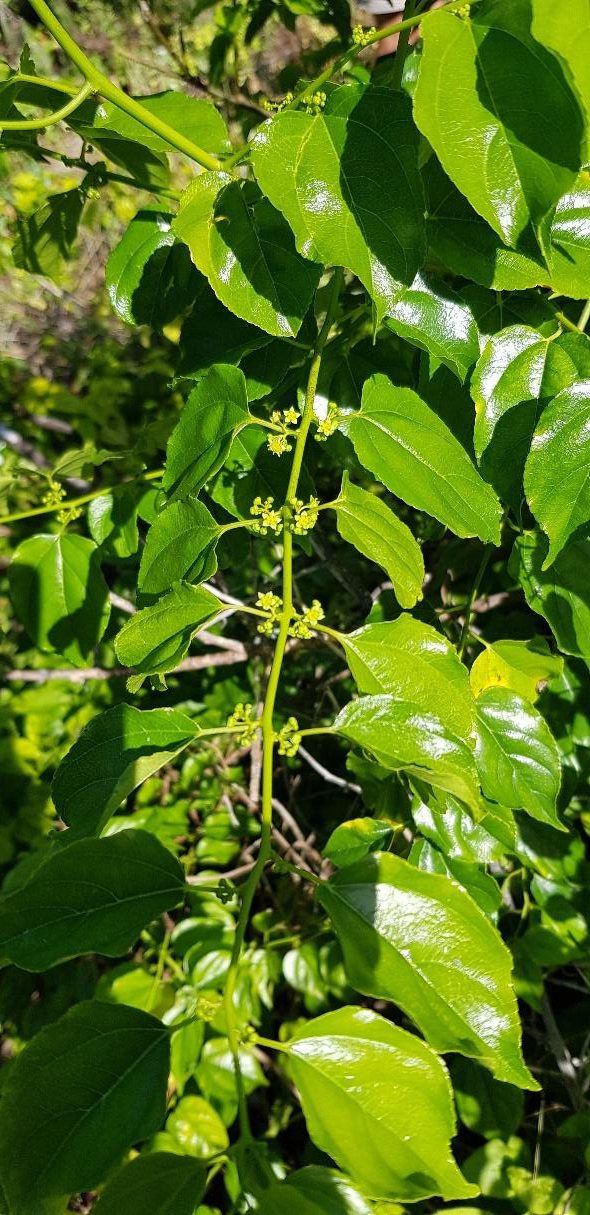
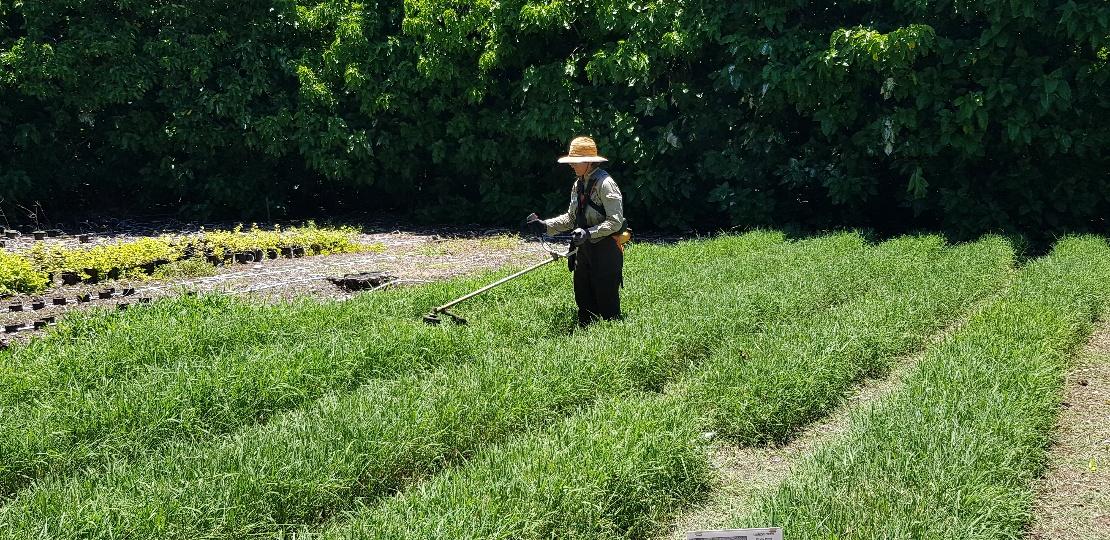
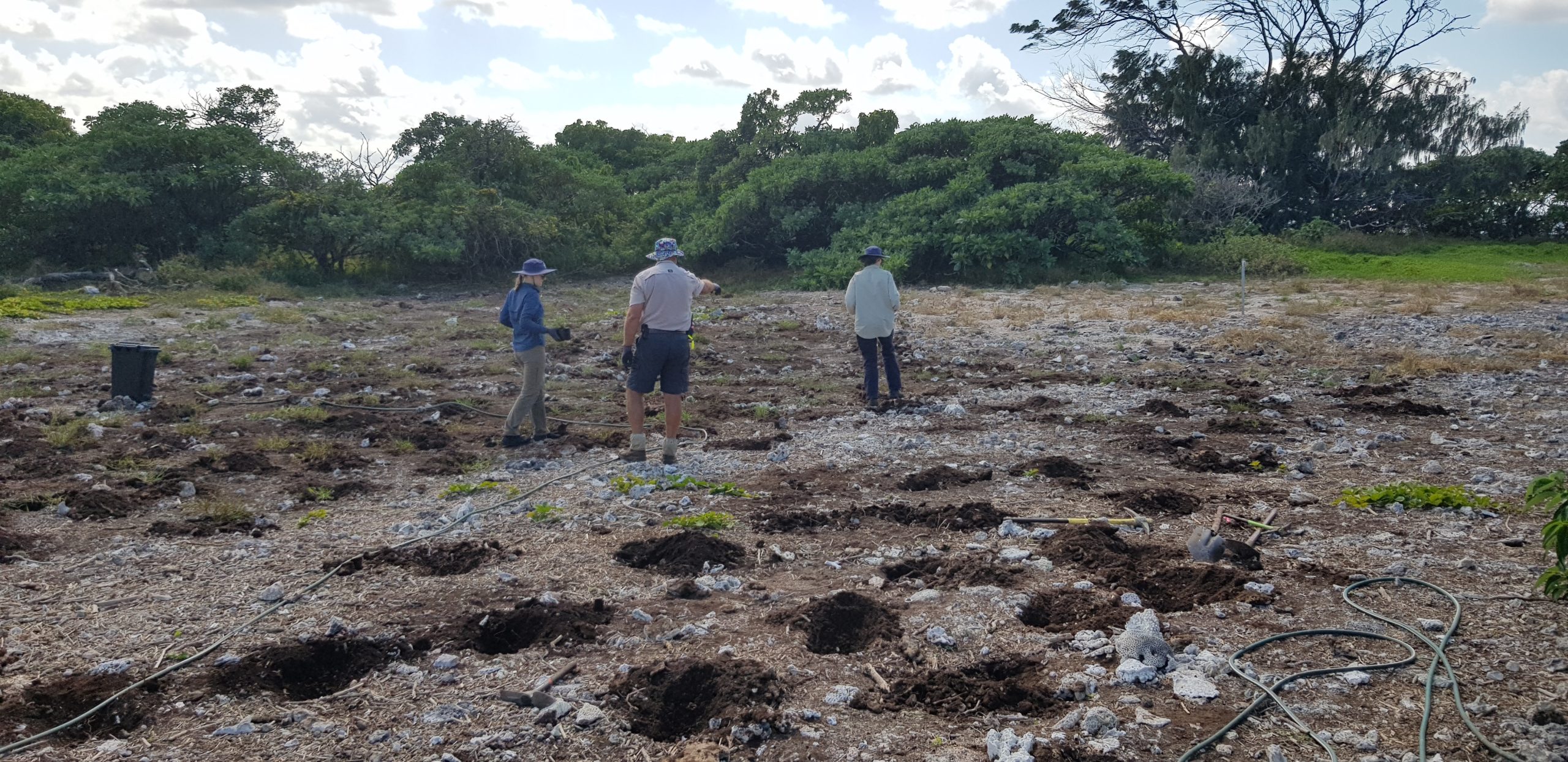
Reflecting on 2025’s achievements, we’re delighted to share the following news from our Ecosystem Manager, Liam Turner:
- Total area restored: Approximately 21,500m² revegetated and/or cleared of weeds across the island
- Plantings: 2,806 native plants established island-wide to date in 2025
- Eastern grassland: New revegetation area commenced with approximately 1,000m² restored
- Northwest shrubland: Approximately 4,700m² revegetated in this key habitat zone
- Invasive control: Approximately 6,300m² of lantana removed, plus targeted removal of corky passion vine, mother of millions, and resurrection plant
- Coastal zone focus: Critical weed management to expand ground nesting seabird access to rookery sites
- Crested tern rookery: Successfully relocated to the eastern side, now supporting 200-300 crested terns and enabling planned 2026 revegetation work
- Botanical discovery: A new plant species found on the island, Colubrina asiatica (leatherleaf or Asian nakedwood), a coastal species believed to occur on only one other coral cay in the Coral Sea. It’s likely seeds were dispersed here by ocean currents or seabirds.
- Volunteers: 80 live-in volunteers contributed throughout the year, with additional groups participating in weeding and planting events

Want to be part of something extraordinary in 2026?
Email volunteer@ladyelliot.com.au to learn more about joining our restoration efforts and read more about the Reef Islands Initiative here.