 Accommodation
 Day Visits
 Getting Here
 Snorkel & Dive
 Sustainability
A dark shape appears in the blue. It banks once, glides beneath you and suddenly the reef feels very big indeed.
Few Great Barrier Reef encounters stop you in your tracks quite like a manta ray. At Lady Elliot Island, these enormous, graceful rays are more than an occasional surprise: the island is the largest known aggregation site for reef manta rays (Mobula alfredi) along Australia’s east coast, earning it the nickname “Home of the Manta Ray.”
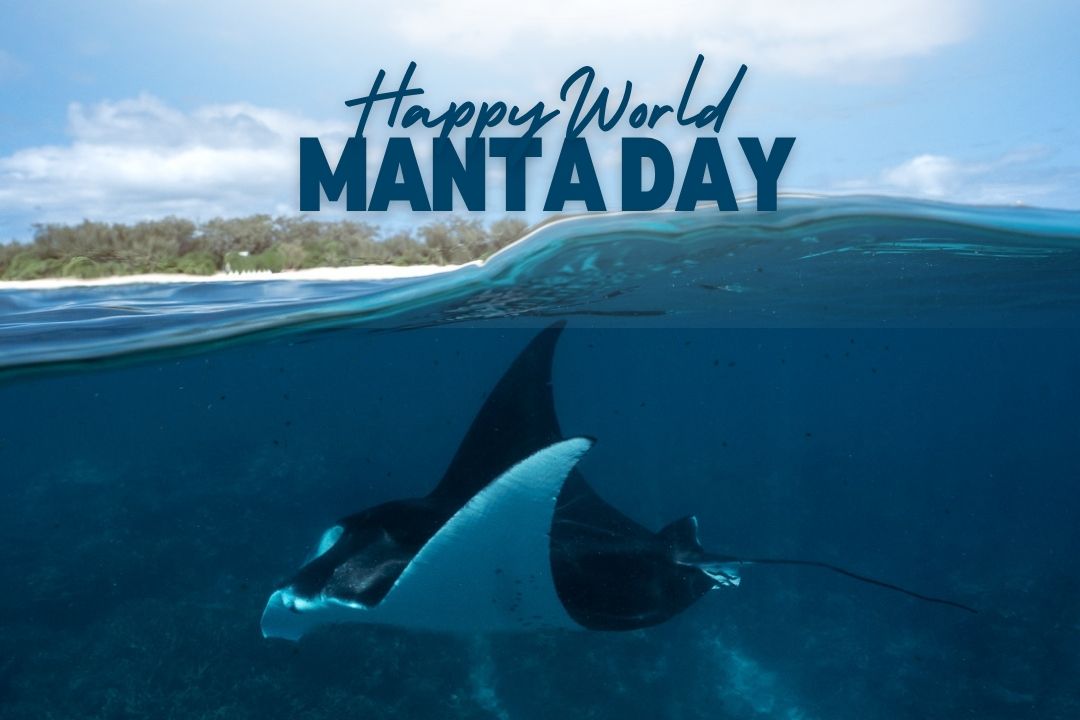
On 17 September, World Manta Day celebrates these remarkable animals and the work being done to protect them. The 2026 theme is Collaboration, a neat fit for Lady Elliot Island, where Project Manta researchers, Lady Elliot Island Eco Resort and our guests — our citizen scientists — all play a part in piecing together the lives of the reef’s most charismatic regulars.
Why Lady Elliot Island is a Manta Hot Spot
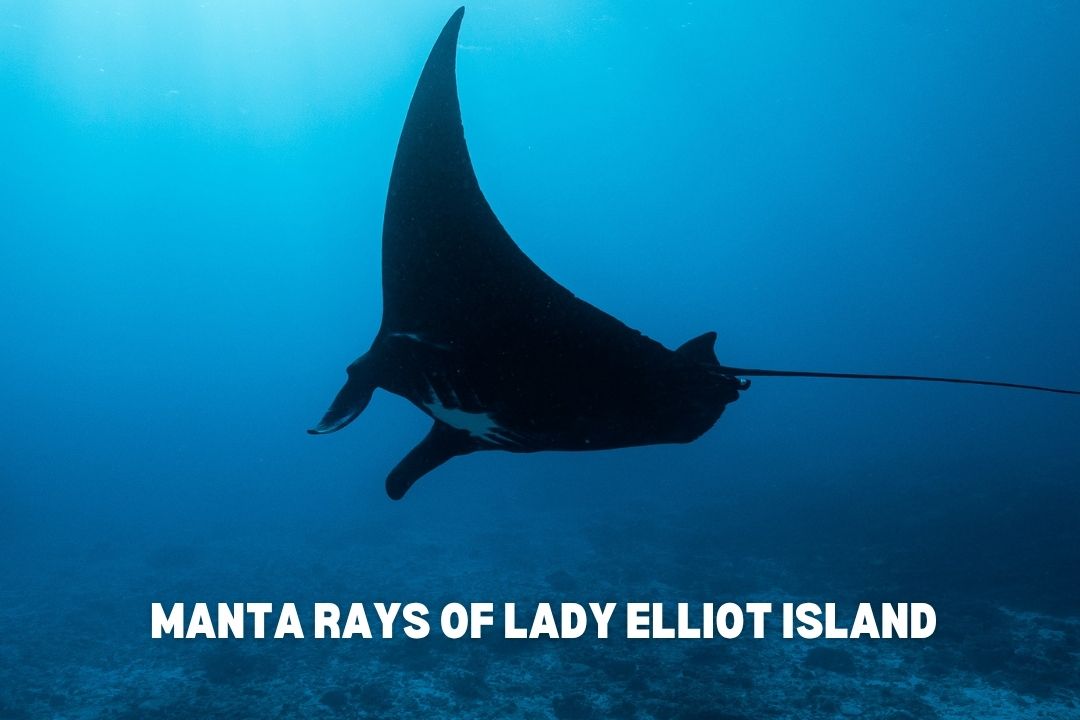
Manta rays can be seen around Lady Elliot Island throughout the year, with larger numbers typically gathering between May and August. The island also sits close to the edge of the continental shelf, where the neighbouring Capricorn Eddy can bring cooler, nutrient-rich water up from the depths and towards the reef, helping create a particularly productive marine environment.
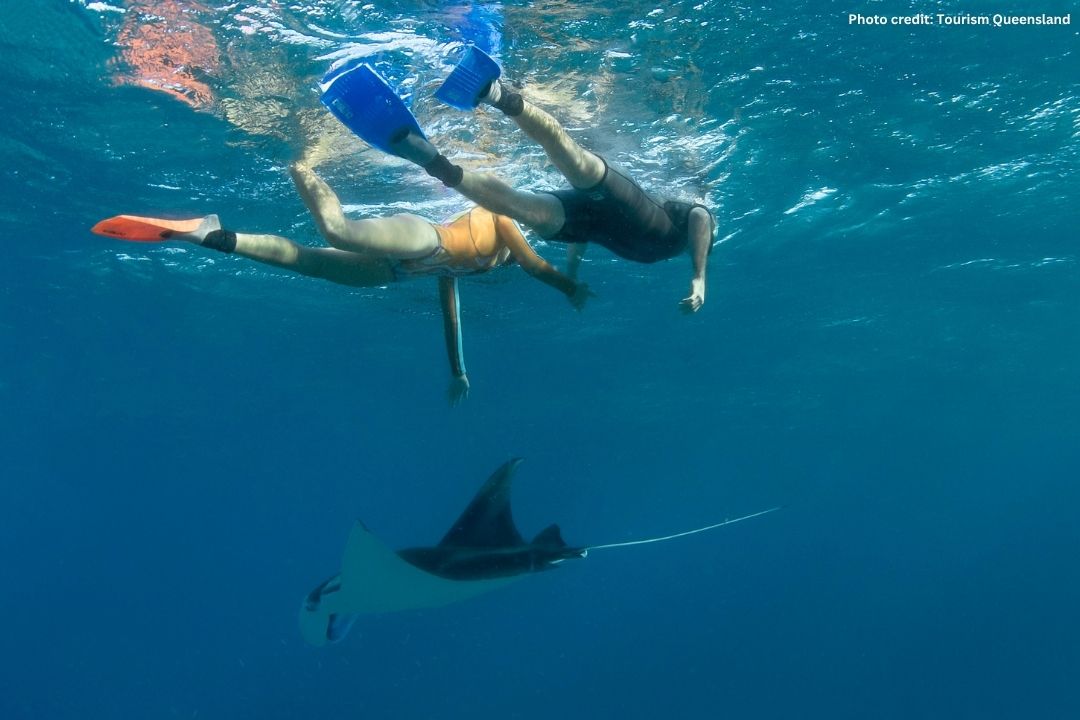
Here, mantas can be spotted feeding near the surface, courting in spectacular “manta trains” or visiting coral cleaning stations, where small reef fish remove parasites and dead skin. The Lighthouse Bommies are one of the island’s best-known cleaning stations.
Dive Deeper: Diving with Giants: the Manta Rays of Lady Elliot Island
For all the science and spectacle, nothing quite prepares you for the real thing. Seeing a manta glide past while snorkelling or diving is all slow-motion elegance: broad wings, effortless turns and a silhouette that seems impossibly large underwater.
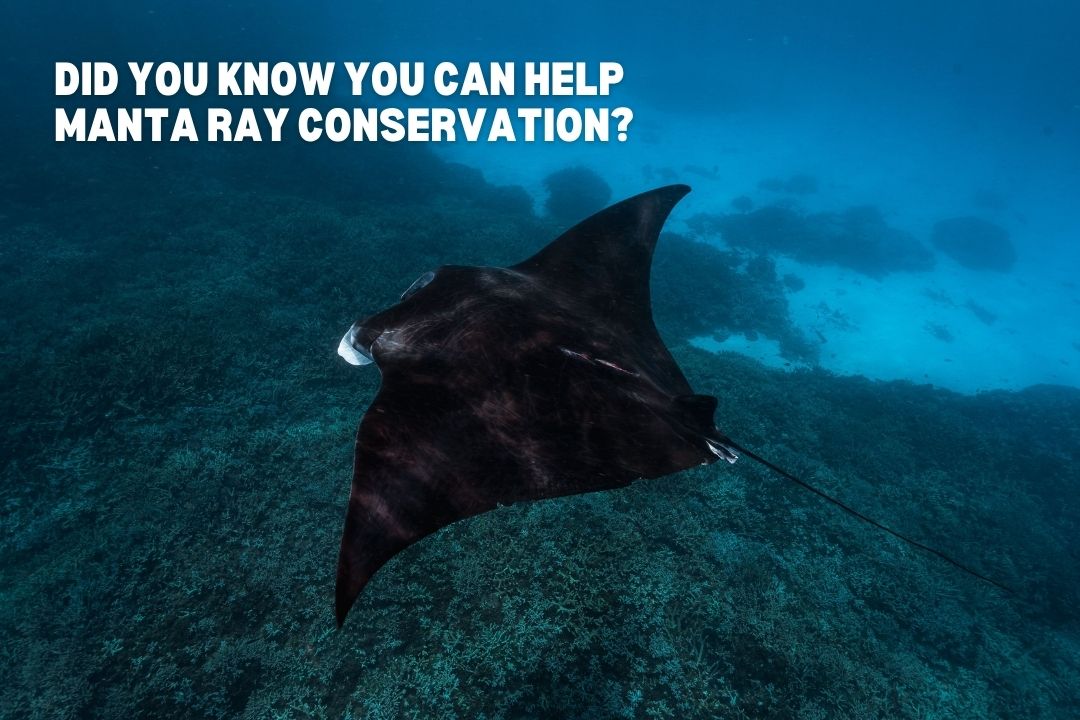
Every manta ray has a fingerprint
Helping starts with knowing what to look for.
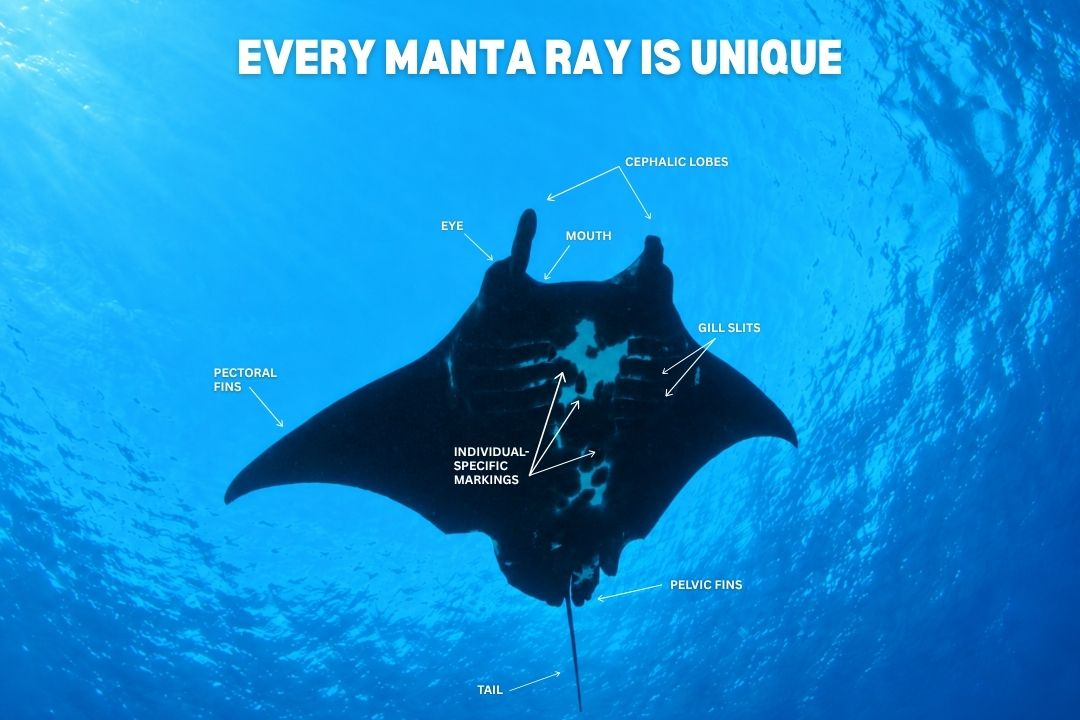
Look at the underside of a manta ray and you’ll spot something remarkable: no two are exactly alike.
Each manta has its own pattern of spots and markings, known as ventral markings. Much like a human fingerprint, these patterns allow researchers to identify individuals, follow their movements and build a clearer picture of population size, habitat use and lifespan.
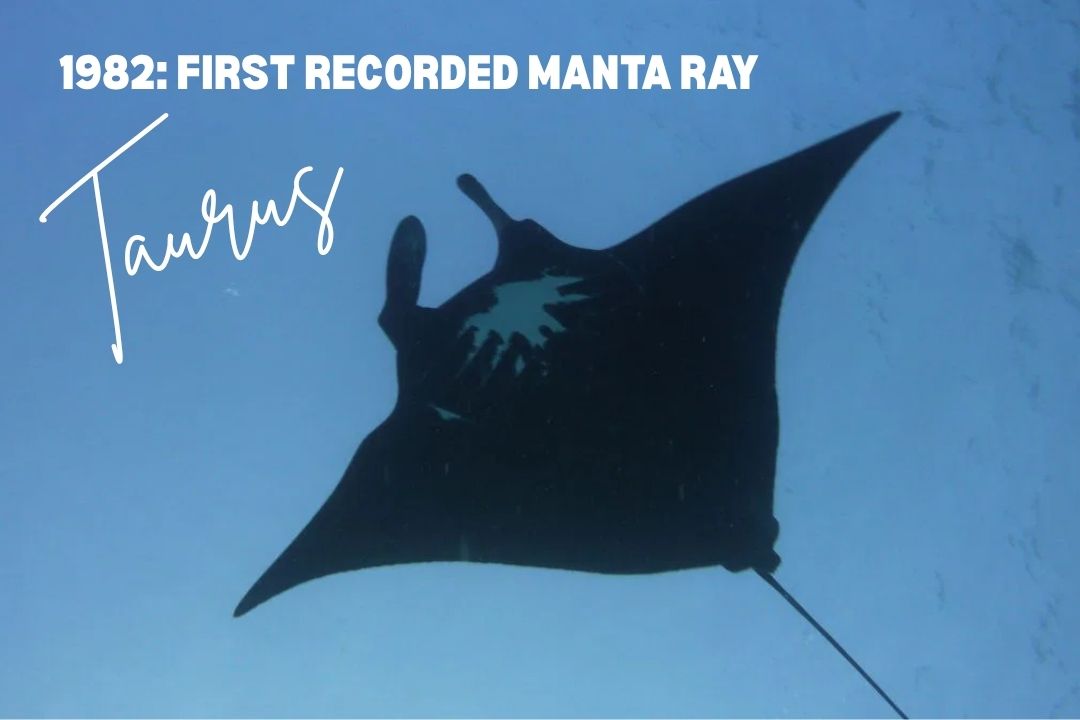
Some Lady Elliot regulars have very long histories. Taurus, a melanistic manta ray, was first photographed here in 1982 — a reminder of just how valuable a single photograph can become over time.
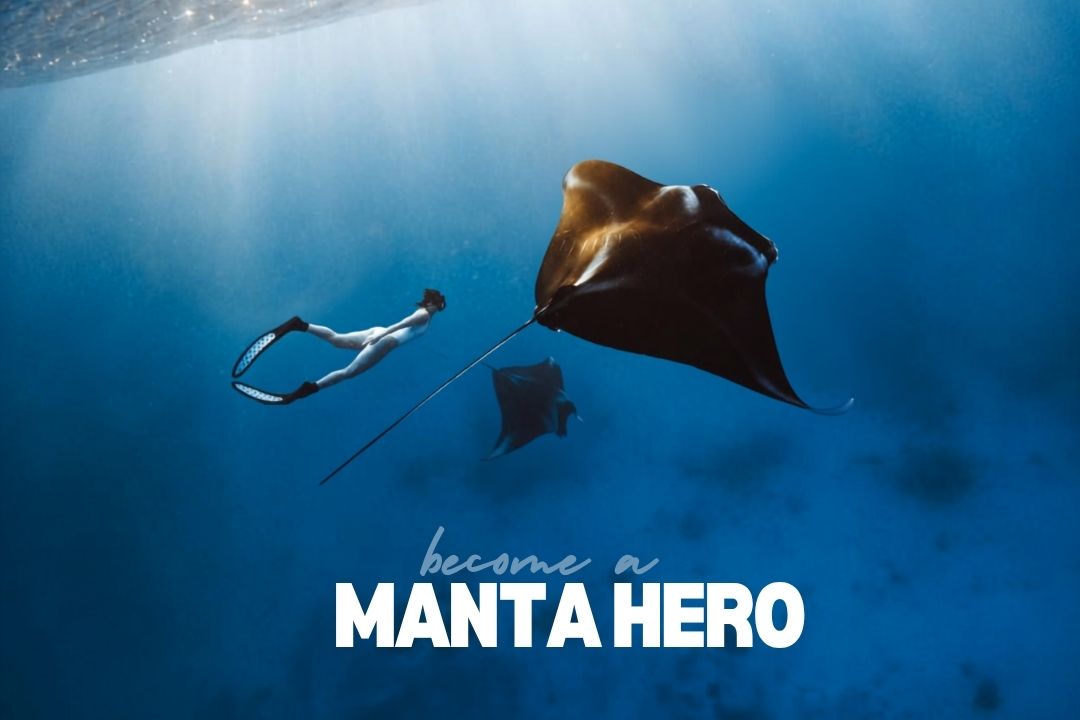
Become a Manta Hero
This is where you come in.
Since Project Manta began in 2007, Lady Elliot Island Eco Resort has supported its research. Unfortunately, researchers can’t be underwater all the time. Photos taken by snorkellers and divers can provide valuable data, turning an unforgettable holiday moment into citizen science.
If you encounter a manta, aim for a clear photograph of its underside, including its distinctive markings and the base of the tail. Submit your image to Project Manta and, if you’ve photographed an individual that has never been recorded before, you may even get naming rights.
Explore Project Manta’s research.
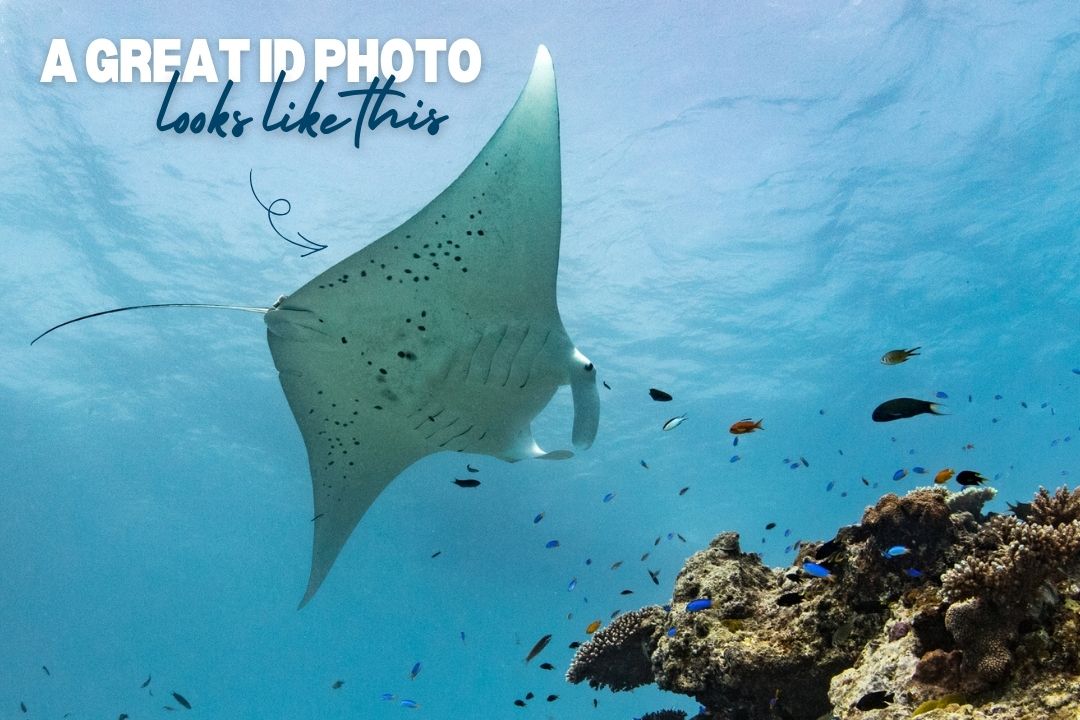
The best manta encounters are relaxed ones. Keep a respectful distance, avoid flash, never chase or touch, and let the manta choose the encounter. Lady Elliot Island’s current Eco Guidelines recommend maintaining 3–5 metres of space, depending on the type of encounter.
What happens to your photo?
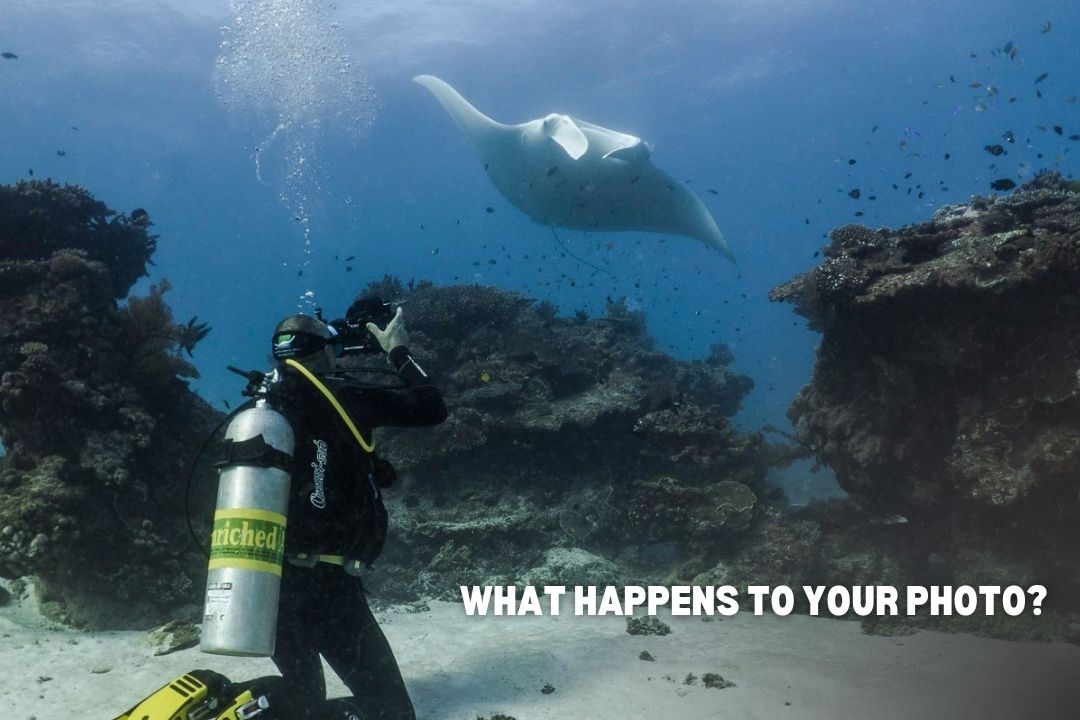
Project Manta is a multidisciplinary research program based at the University of the Sunshine Coast, investigating the population biology and ecology of manta rays in eastern Australia. Researchers visit Lady Elliot Island several times each year to photograph and observe mantas, collect plankton samples and deploy tracking technology.
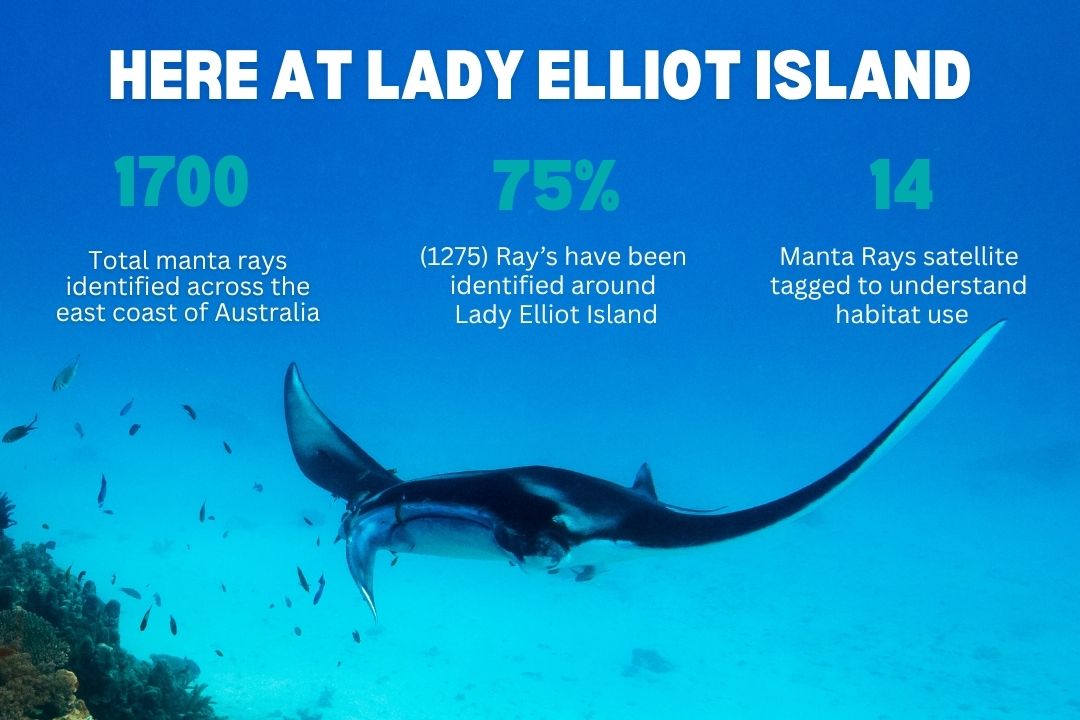
Since Project Manta began in 2007, researchers have identified around 1,700 individual manta rays along Australia’s east coast. An extraordinary 75% of them — about 1,275 rays — have been identified in the waters surrounding Lady Elliot Island.
Between 2021 and 2024, 14 manta rays were satellite tagged to help researchers understand how these animals use their habitat. Add your ID photo to that work and a few seconds underwater can become part of a much longer scientific story.
Meet Inspector Clouseau
Then there’s one manta you’d be extraordinarily lucky to meet.
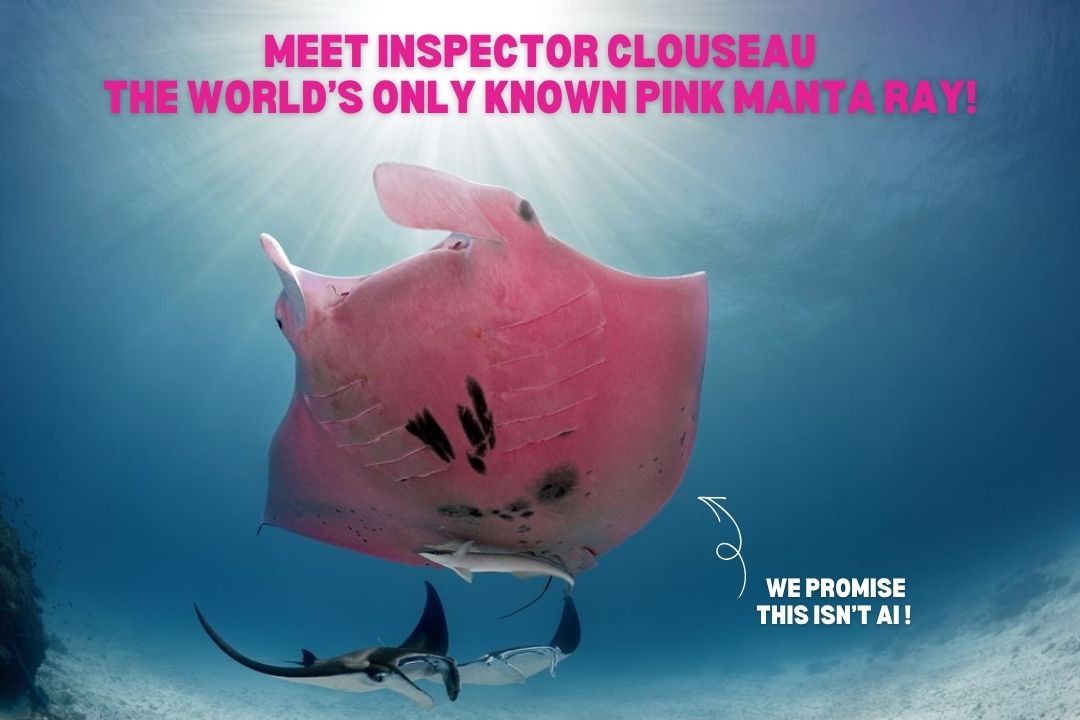
Inspector Clouseau, the world’s only known pink manta ray, was first recorded at Lady Elliot Island in 2015. Researchers believe his extraordinary colouring may be the result of an unusual expression of melanin, potentially a rare condition called erythrism.
Sightings are exceptionally rare — which only adds to the allure. There’s no guarantee you’ll ever meet Lady Elliot Island’s most colourful local, but knowing he’s somewhere out there makes every dark silhouette appearing from the blue just a little more exciting. Be tickled pink with more pictures and research about our famous Pink Manta.
Collaboration beneath the surface
That’s what makes the World Manta Day 2026 theme feel so at home here.
Project Manta researchers bring the science. Lady Elliot Island Eco Resort provides long-term support and access to one of eastern Australia’s most important manta aggregation sites. And our guests contribute the sightings, photographs and curiosity that help fill in the gaps.
So on your next visit, enjoy the encounter first. Give the manta space. Then, if you can, take the photo.
Your next reef memory could become part of something much bigger and make you a Manta Hero.
Meet Lady Elliot Island’s other remarkable rays.