 Accommodation
 Day Visits
 Getting Here
 Snorkel & Dive
 Sustainability
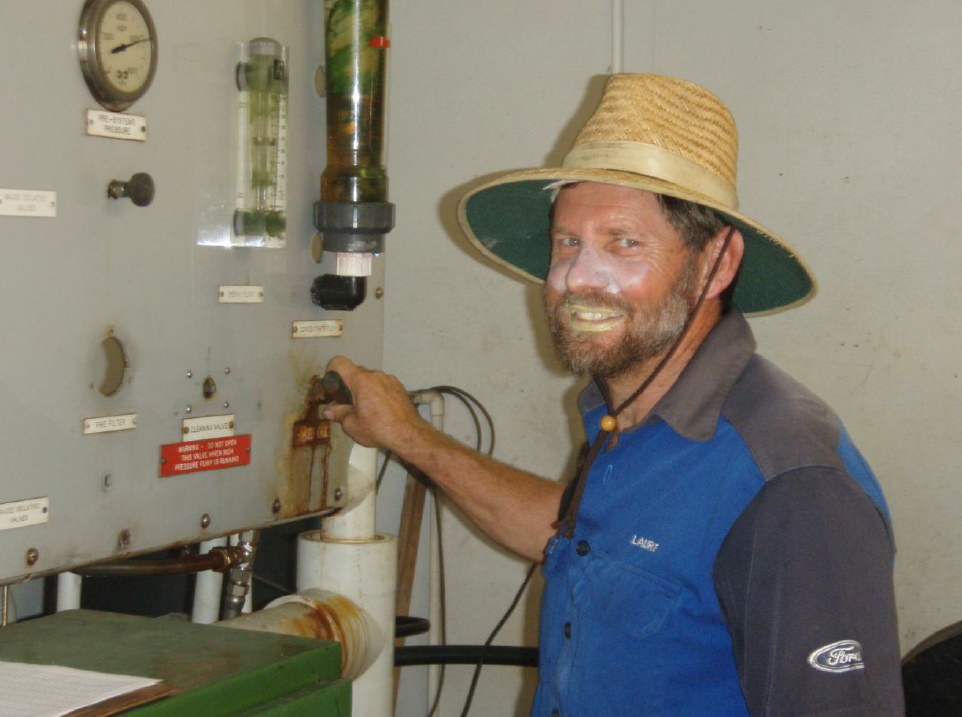
After two decades keeping the power running, the water flowing and the wastewater treated on the southernmost coral cay of the Great Barrier Reef, Maintenance Manager Laurie is hanging up the spanners and heading straight out to walk 1,200km across the Nullarbor. We sat down with him to talk generators, solar, trevally and what he’ll miss most.
What first brought you to Lady Elliot Island?
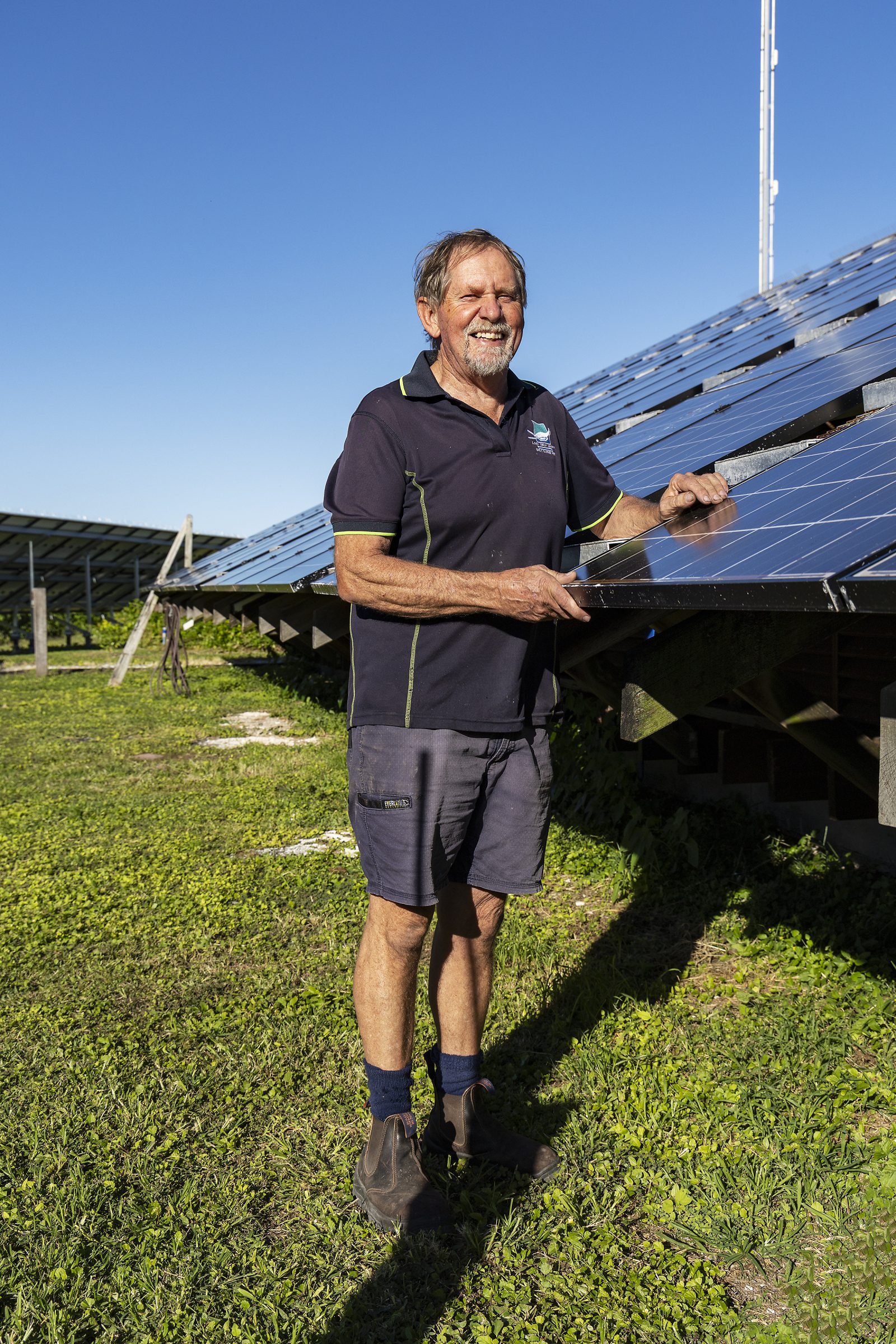
I’d been a mechanic for many years and I was looking for a change. One of my apprentices had gone off into oil and gas and I looked into doing that myself. My Dad had just died, Mum was doing well and my daughters were at uni, so the opportunity to try something completely different was there.
I found an ad in the Courier Mail for a Maintenance Superintendent on Lady Elliot Island. The previous fellow, Dave Duncan, had been here seven years, so I figured it must be an alright job. I thought I’d give it three to five years. That was around 2006. The rest is history.
Twenty years is a long time. How has the job changed?
I started out as a mechanic and spent three months following Dave around before he left, taking notes on everything, including the boats, desalination, generators, wastewater treatment and kitchen equipment. I still have those notes today. Then I was in the deep end.
Over time we brought on another mechanic, Rob Thomas. Shayne was doing most of the resort maintenance. The island got busier, we employed more people including a carpenter, and gradually built up a proper maintenance team with building sub-contractors. I moved into a Maintenance Manager role with a supervisor and a team under me.
What are the biggest challenges of running essential systems out here compared to the mainland?
First of all, I had to learn it all. Then Pete grew the business, and that meant we outgrew the infrastructure. We needed more power, more water and more wastewater treatment capacity. More vehicles, more boats, more kitchen appliances, plus upgrading all the buildings.
The humidity, the salt air, the isolation, the logistics and the national park compliance requirements all mean Lady Elliot was always going to be a challenging place for everything we do. Things that would be basic on the mainland aren’t simple here in a remote marine environment where everything rusts.
And in the early days we had to do it all ourselves. We didn’t have the ability to fly in contractors or specialists. Lots of MacGyver, and a bit of Boy Scout.
The systems here can’t afford to fail. What happens when they do?
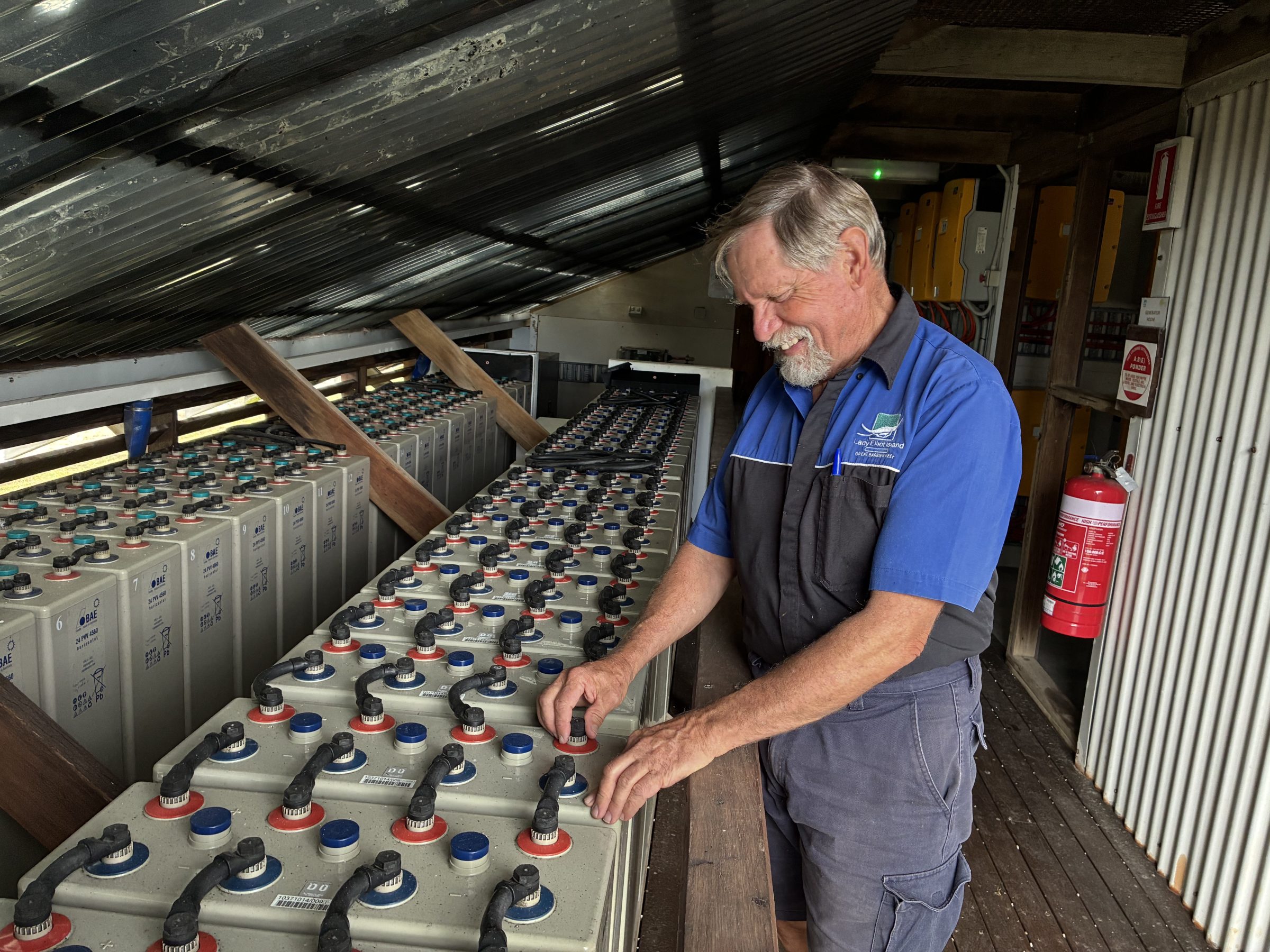
Power, desalination and wastewater are all mechanical, so they can all fail for any reason at any time. And sometimes they did. We’d normally keep spare parts, spare pumps and bits and pieces for redundancy so we could get things back up and running as quickly as possible. If there was a breakdown, the team would just rally together and get it sorted. It has to keep going all the time. If the power goes out or you can’t treat your wastewater, you have to pack the guests up and they can’t be here.
Was there someone who kept you calm through those moments?
Rob (another long term team member) was so good for me. You’d just sit down for dinner and the power would go, and I’d immediately stress: what do we do, what’s happened, how do we fix it? Rob would say, “Oh great, wonder what’s happening. Let’s go and see.” A totally different attitude, and it balanced me out. He was a real problem solver, and he ended up understanding our systems better than the people who supplied the parts.
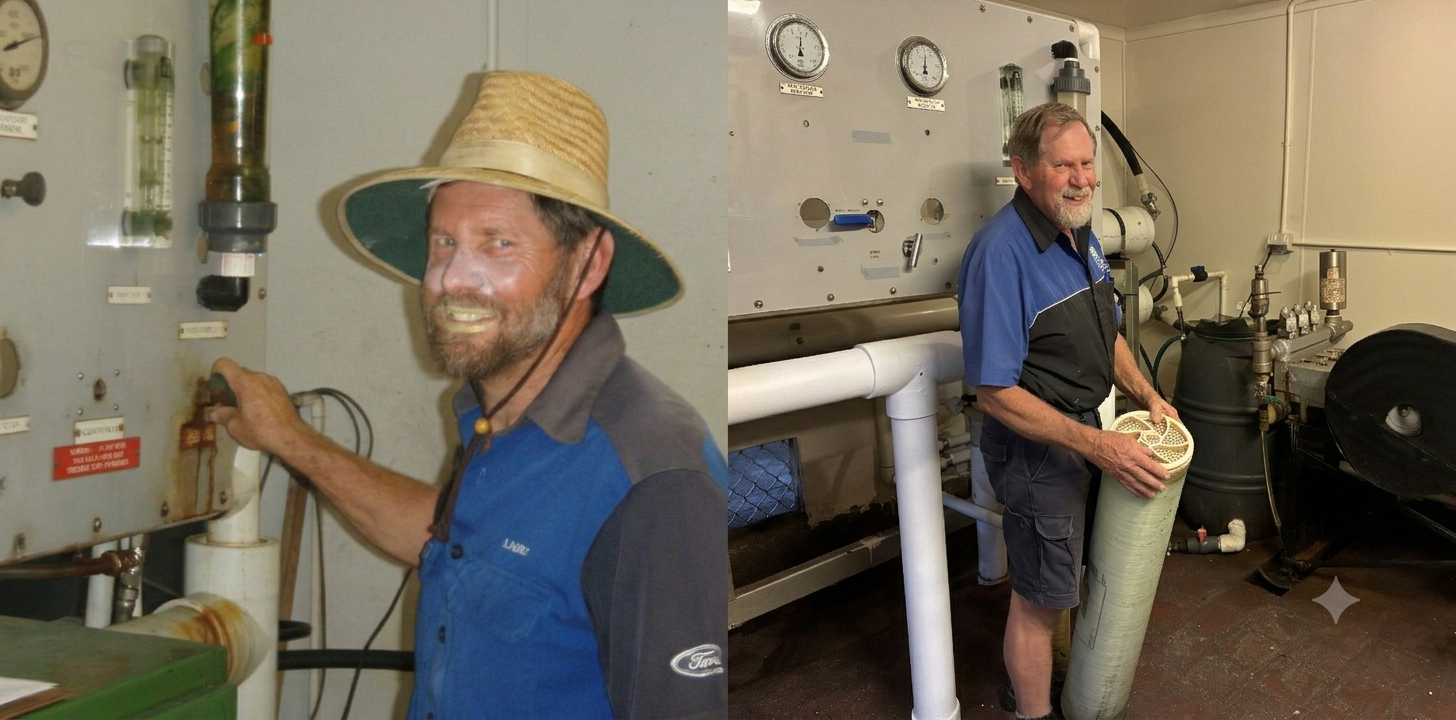
What innovation are you proudest of?
The move from diesel generators to solar for the power. That would have to be the biggest. We were burning 550 litres of diesel a day just running generators, and getting a barge in every three months to bring it. Now we don’t need the barge anywhere near as often, and we save all that diesel as well.
But going solar meant we also had to upgrade the desalination to suit. That was a big job, because I needed to double the production so we could halve the run time and only make water while the sun was shining. You want to be producing when you’re getting free energy. Rob and a couple of the guys then built a solar sensor that made the whole thing more efficient and automatic. When a cloud came over and took our power, it could shut down something like the drive compressor and keep the desalination going, instead of having to fire up the generators.
And the wastewater treatment plant?
That’s always been good fun, honestly. We built a new power-efficient wastewater treatment system and then kept improving, modifying and adding to it, because we have pretty strict guidelines on our water quality.
I loved it because you get specific test results every month. You can compare them, they give you goals, and you can see exactly what difference you’ve made. It’s like testing a hypothesis: change this, do that, then see the outcome next month. The only frustrating part is you can only make one change a month, otherwise you’ve got too many unknown variables.
What has life on a remote island actually been like?
IT’s been good for me. I was here to work, and I was happy to work long hours, which helped. I never had to fill in time. Being a bit older than a lot of the other staff helped too, I think; I had a lot of respect from the younger crew.
I love planning, making things, fixing things, improving and problem solving. Living and working alongside young, passionate people from all around the world, learning from them, seeing how much they enjoy working in Australia and especially on the Great Barrier Reef, I’ve always found it very satisfying and rewarding.
Were you racing out for a snorkel after every shift?
Not really! I was happy to do the longer hours. If it was a really hot day I’d have a quick dip and that’d do me.
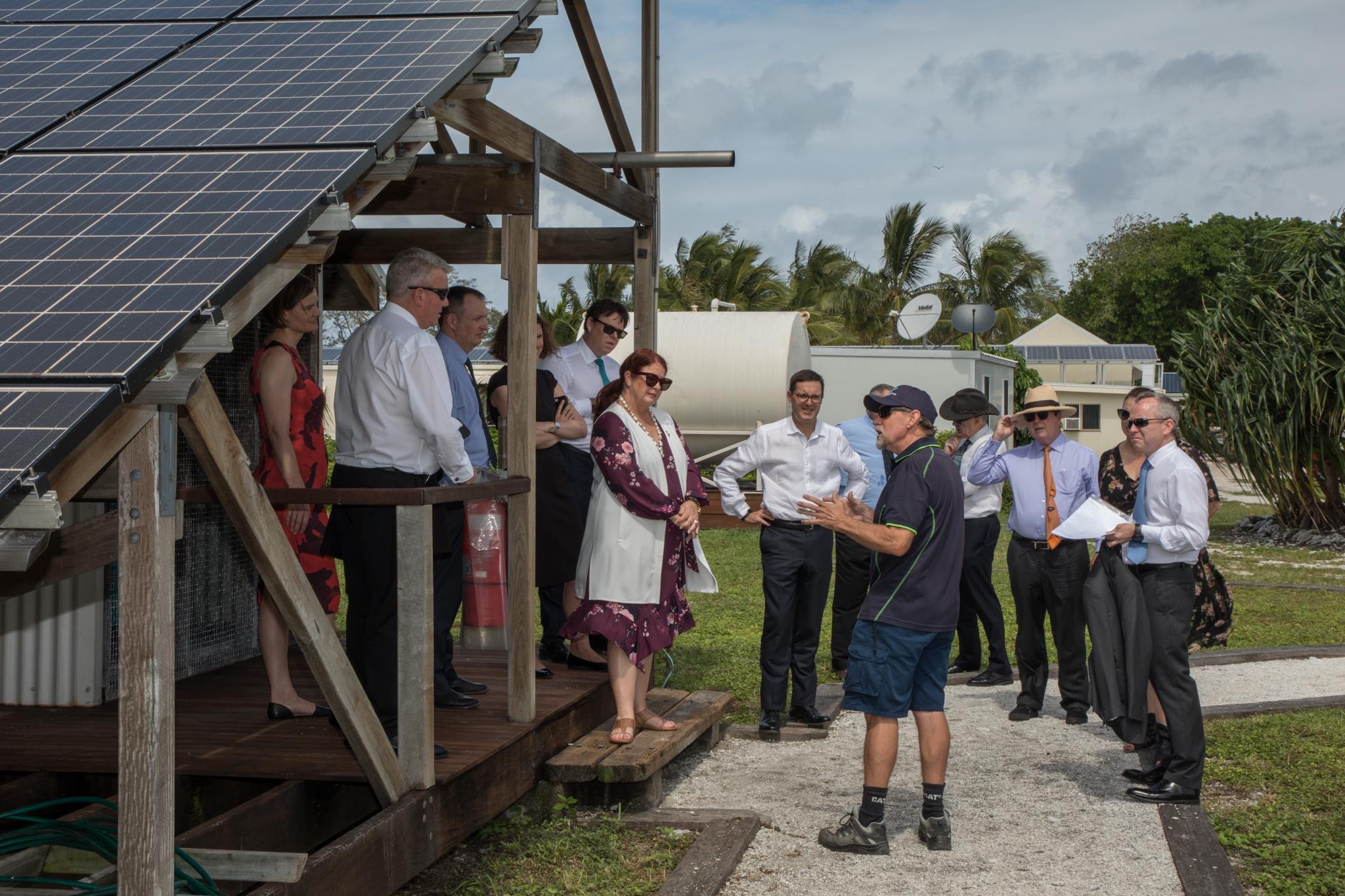
What has the island taught you about sustainability?
It’s been reinforcement more than anything. Sustainability, recycling, repairing and resource management have always been part of my DNA, and they were important as a maintenance manager, especially in the early days keeping things going before we could justify buying new equipment. Even recycling our food scraps matters. It all comes back to what’s best for this sensitive ecosystem.
What’s been the most rewarding part?
IT’s still the work. When Peter Gash took over the lease the island was very run down, so the challenge of improving and building it up on a limited budget while learning so much new stuff was awesome for me. That’s just the type of person I am: meeting and working with new people, building a good team around me, teaching and learning, improving things.
Any favourite memories from the water?
My first snorkel, which was probably my first or second day here. I’d never snorkelled before. We went out on the boat and I saw the fish, the turtles and the coral, and then pushing off the boat and being right beside a circle of trevally. So close to nature, and they didn’t care at all that I was there. It was just amazing.
I didn’t get to snorkel a lot over the years, but I got to enjoy underwater every night at the dinner table, with everyone sharing their encounters and their footage from the day. That was my reef, in a way.
What I can say, after 20 years, is that there is so much more fish life out there now. It’s very, very obvious. Even the coral in the lagoon has changed. Because I’m not out there regularly, but I’ve been often enough to really notice it.
And your favourite memory on land?
I’d only been here a year or two and it was my 25th wedding anniversary. I got up early that morning and rang my wife before I started work. Then Wayne had organised to fly my family out for an overnight visit as a surprise. We stayed in a suite together and had a few family snorkels. It was one of the most memorable surprises of my life, because I didn’t even realise anyone knew it was my anniversary.
What’s next?
In September and October 2026 I’m walking the Nullarbor, Norseman to Ceduna, 1,200 kilometres, about 25 kilometres a day. Solo and self-organised. Just a challenge I came up with.
Working on the island has helped me develop my planning skills, my trust in myself, my confidence, and my ability to overcome challenges as they present themselves. Living on Lady Elliot also built my independence, being used to living away from home and from my wife. That’ll certainly be beneficial on a lonely trek.
What are you most looking forward to out there?
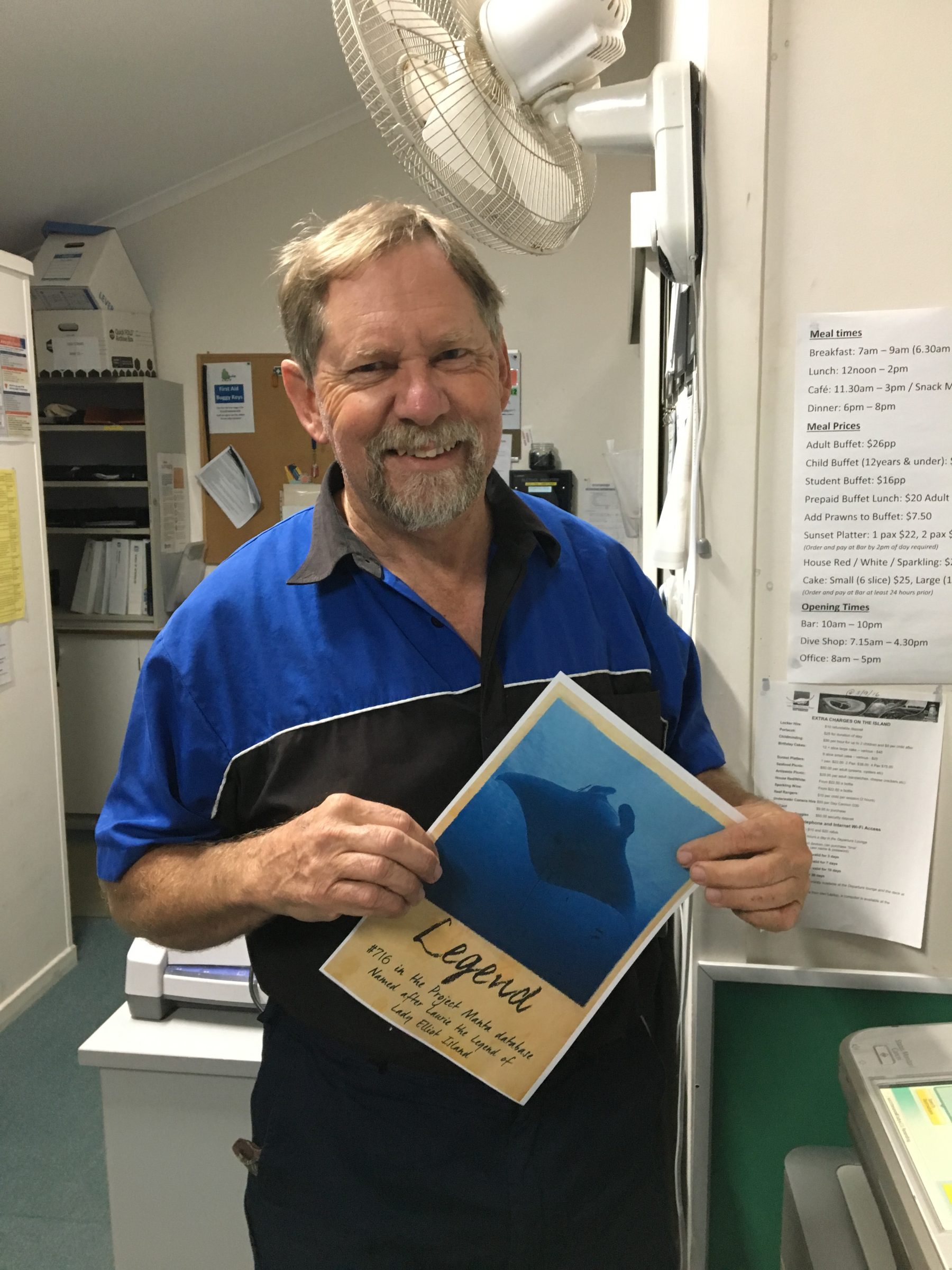
The challenge, obviously. But also the time to think, the solitude, the independence and the chance to take things very slow, one foot in front of the other. A chance to enjoy nature and have a close look at the ecosystems along the way. It looks like barren country, but there’s so much out there that you drive straight past and never see. I’m going to have a good, close-up look.
I’m looking forward to meeting people in different circumstances, people who might stop and ask what I’m up to. And as a Christian, I think it’ll be a good opportunity for some personal spiritual growth. It’ll be great.
What will you miss most about Lady Elliot?
The people. The staff are young and fresh and multicultural, and seeing their passion for the reef and their enthusiasm for life on the island is something I’ll definitely miss.
I’ll miss the environment, seeing the changes, mixing with guests and hearing what’s going on in the water. I’ve already been stepping back a bit, which has helped keep it in balance. But I don’t doubt I’ll be back here at some point, to enjoy it, see those changes again and re-spark that enthusiasm.
I’ve just been so grateful for the opportunity. I believe Peter Gash gave me the best job in the world. It wouldn’t be everybody’s best job, but for me, it’s certainly been way up there.
Laurie spent close to twenty years as Maintenance Manager at Lady Elliot Island Eco Resort, helping take the island from diesel generators to solar power and building the systems that keep the resort running lightly on its remote coral cay. From all of us, thank you, Laurie. Enjoy the Nullarbor.
Learn more about solar power on Lady Elliot Island here.